
Belarusian NPP safe operation period may be extended to 100 years, with first spent fuel to be shipped to Russia for reprocessing in 2034
 Scan to share
Stanislav Levitsky, head of the Rosatom representative office in Belarus, stated on the "Economic Environment" program of Belarusian TV Channel One that Belarusian nuclear energy development is backed by comprehensive safety assurances. He emphasized that while nuclear facilities can indeed have serious consequences if mismanaged, under the existing risk control system and modern technological support at the Belarusian NPP, nuclear power can become a low-cost, stable, and safe energy source.
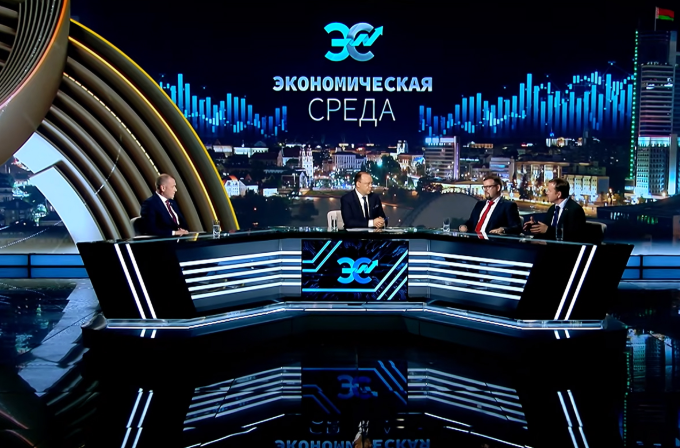
Levitsky believes that amid intense competition in the energy sector, some "irresponsible players" may use information tactics to create anxiety and attempt to provoke panic among the public. He stated that Belarus has adopted fully proven technological solutions that have undergone multiple rounds of simulation testing in Russia and have passed relevant IAEA inspections, meeting high-level safety standards confirmed by authoritative experts. According to him, the Belarusian NPP can guarantee safe operation for 60 years and has the potential to extend its operating period to 100 years.
Rosatom is advancing closed nuclear fuel cycle technology under the "Proryv" (Breakthrough) project framework, which is one of the few nuclear industry solutions globally with full implementation capability. This technology enables reprocessing of spent nuclear fuel, reduces the toxicity of radioactive waste, and significantly decreases uranium resource demand by up to nearly tenfold. This technological pathway is not only crucial to the long-term economic viability of NPP operations but is also regarded as an important means of reducing the environmental burden of the full nuclear energy lifecycle.
According to the arrangements, the first batch of spent fuel from the Belarusian NPP will be cooled in the spent fuel pool for 10 years after being discharged from the reactor, with shipment to Russia for reprocessing expected by 2034. Belarusian Energy Minister Denis Moroz added that for radioactive waste that does not fall under the category of spent fuel, such as contaminated fabrics, Belarus is building dedicated enterprises and disposal facilities, with candidate sites currently being selected in the Mogilev, Grodno, and Gomel regions.
Boris Paramonov, deputy general director of the Belarusian NPP, explained that planned shutdowns of nuclear power units are routine maintenance and an important part of ensuring safe operation, and should not be viewed as abnormal situations. He drew an analogy to regular vehicle servicing, noting that only through scheduled repairs, inspections, and equipment maintenance in accordance with procedures can the NPP ensure stable performance over its long operating cycle.
Disclaimer: Information republished from partner media, institutions or other websites is provided for reference and communication purposes only. It does not imply endorsement of its views or verification of its accuracy. Please contact us if any content infringes rights or requires correction.