
University of Missouri Receives $1 Million Grant to Research New FLASH Radiotherapy System
 Scan to share
On August 11, researchers at the University of Missouri School of Medicine received a $1 million grant from the National Institutes of Health to study a new technology in cancer radiotherapy——the TheryQ FLASHKNiFE system. The project is funded through June 2027.
A long-standing challenge in cancer treatment is how to kill tumor cells while protecting surrounding healthy tissue as much as possible. Existing radiotherapy can already achieve millimeter-level precision, but radiation damage and related side effects still limit the dose patients can safely receive. Unlike conventional approaches, FLASH radiotherapy does not primarily alter the direction of radiation beams, but instead delivers irradiation in an extremely short time at an ultra-high dose rate.
According to reports, the FLASHKNiFE system can complete treatment in less than one second, approximately 1,000 times faster than conventional equipment, with dose rates several hundred times higher. Preclinical studies suggest the system can rapidly deliver radiation doses to tumors while potentially reducing damage to adjacent tissues.
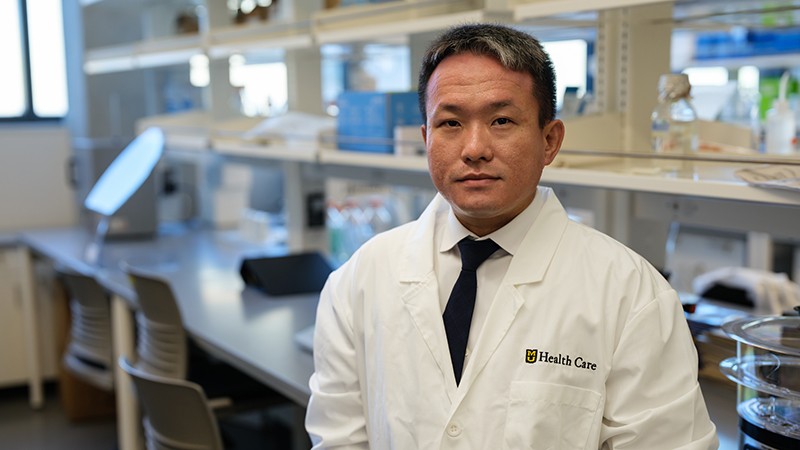
Rongxiao Zhang, the project lead, associate professor of radiation oncology and chief of medical physics at the University of Missouri School of Medicine, stated that this grant fills a key technical gap in the university's cancer research capabilities. The equipment will be housed in the Roy Blunt NextGen Precision Health building and will be available to multiple researchers. Zhang will participate in developing treatment planning and dose verification tools, as well as studying and measuring the mechanisms of action and reliability of ultra-high-speed radiation beams.
Zhang noted that the FLASHKNiFE system is not yet approved for treating cancer patients, but the related research will lay the foundation for the safe and reliable use of FLASH radiotherapy and promote its future advancement into experimental studies and clinical trials.
Because the system can deliver radiation doses in a controlled and precise manner, researchers can also use it to compare the effects of FLASH radiotherapy with conventional radiotherapy. Beyond cancer research, the system may also be used to explore mechanisms of radiation-induced damage to organs such as the liver and lungs. If its potential mechanism for protecting normal tissue is further validated, it could in the future be used in tumor radiotherapy to reduce radiation damage to adjacent healthy organs.
Disclaimer: Information republished from partner media, institutions or other websites is provided for reference and communication purposes only. It does not imply endorsement of its views or verification of its accuracy. Please contact us if any content infringes rights or requires correction.