
Türkiye Maps Out Small Modular Reactors, Targeting 5,000 MW Installed Capacity by 2050
 Scan to share
Türkiye is positioning small modular reactors (SMRs) as a new breakthrough in its nuclear energy strategy. Under relevant plans, Türkiye aims to achieve approximately 5,000 MW of SMR installed capacity by 2050, a scale that would surpass the Akkuyu Nuclear Power Plant project. For Türkiye, which has long sought to reduce its external energy dependence, SMRs are seen as a strategic opportunity combining energy security, industrial upgrading, and technological competitiveness.
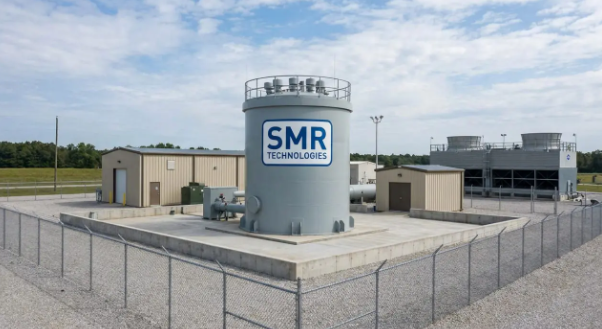
Compared with traditional large-scale nuclear power plants, SMRs feature smaller installed capacity and more flexible deployment, typically ranging from 10 MW to 300 MW; micro modular reactors below 10 MW are even smaller and can even be transported by truck. Reports note that such reactors can be deployed in industrial parks, military facilities, disaster-affected areas, or urban peripheries to provide stable power to specific regions. A single reactor is said to meet the daily electricity needs of approximately 5,000 to 150,000 households, making it particularly suitable for scenarios requiring on-site or emergency power supply.
Türkiye is currently advancing large-scale nuclear projects in Akkuyu, Sinop, and Thrace, while SMRs have been incorporated into a broader nuclear energy roadmap. Their significance extends beyond power generation to include boosting domestic manufacturing, fostering a new industrial ecosystem, creating jobs, and driving exports. If some production stages can be completed locally in Türkiye, the SMR supply chain could become a key lever for enhancing the country's energy equipment manufacturing and high-end engineering capabilities.
To attract nuclear energy investment, Türkiye has also begun introducing tax and fiscal incentives. According to legal arrangements published in the Official Gazette, legal entities that obtain preliminary permits or licenses for nuclear power plant electricity generation are exempt from stamp duty on documents related to their nuclear power plant investments; additionally, until December 31, 2045, value-added tax that cannot be offset through deductions in nuclear power plant construction projects covered by investment incentive certificates may be refunded upon application. Furthermore, the calculation ratio for related-party loans under thin capitalization rules has been reduced from 50% to 25% to ease investment funding pressure.
Globally, competition in SMR technology is accelerating. The United States plans to commission more than 10 SMRs by 2030, Canada expects to bring its first 300 MW-class project online by 2035, South Korea has developed its indigenous SMART design and is seeking exports, and France is also advancing related R&D. Türkiye's Minister of Energy and Natural Resources, Alparslan Bayraktar, has previously stated that small modular reactors are an important component of the "new nuclear era," and that the capabilities and dynamism of Türkiye's industry could help the country become one of the developers and producers of such technologies.
Disclaimer: Information republished from partner media, institutions or other websites is provided for reference and communication purposes only. It does not imply endorsement of its views or verification of its accuracy. Please contact us if any content infringes rights or requires correction.