
IAEA imPACT Assessment Recommends Namibia Expand Cancer Diagnosis and Treatment Services
 Scan to share
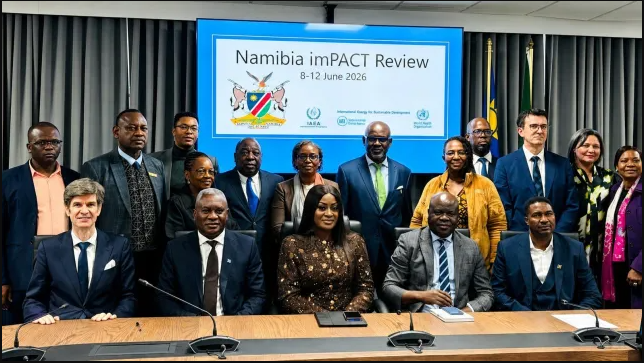
August 18, 2026, the results of the International Atomic Energy Agency's "imPACT Review" show that Namibia has demonstrated a clear commitment to strengthening cancer treatment, while still needing to further expand service coverage, build the oncology workforce, and improve access to cancer diagnosis and treatment nationwide.
Cancer is becoming an increasingly prominent public health challenge in Namibia. Data shows that the country records more than 4,200 new cancer cases annually. According to Globocan 2024 projections, this figure is expected to rise to 7,200 by 2040. Breast cancer, cervical cancer, prostate cancer, and Kaposi sarcoma currently account for nearly half of all confirmed cancer cases in Namibia.
The imPACT assessment was conducted jointly by the International Atomic Energy Agency, the World Health Organization, and the International Agency for Research on Cancer, with the participation of nine international and regional experts. It focused on assessing Namibia's service capacity and system needs across the full spectrum of cancer care—from prevention, screening, and diagnosis to treatment and palliative care—and proposed priority actions. This is the second time Namibia has undergone this assessment, following the first in 2011.
From June 8 to 12, the review team held meetings with Namibian national cancer stakeholders, regional and multilateral partners, and visited public and private hospitals, primary healthcare centers, universities, oncology training clinics, and regional health directorates in Windhoek and Oshakati. Experts also held discussions with representatives of the National Assembly, the National Planning Commission, the Ministry of Finance, and the Social Security Commission.
Namibia's Minister of Health and Social Services, Esperance Luvindao, stated that the recommendations from this review will serve as a blueprint for the country's national cancer control plan and provide guidance for investment decisions, workforce training, and policy direction over the next decade. The country is currently advancing its first national cancer control plan, developed by a multisectoral technical working group, aimed at guiding investment and actions across the entire cancer care continuum.
The assessment noted that Namibia still has significant room for improvement in cancer prevention. Alcohol consumption, smoking, obesity, and vaccine-preventable infections such as hepatitis B and human papillomavirus (HPV) were all identified as modifiable cancer risk factors. Experts recommended that the country continue advancing HPV vaccination, strengthen prevention programs, and develop a long-term cancer prevention strategy.
The report also noted that a considerable proportion of cancer patients in Namibia are diagnosed at advanced stages. Inadequate referral and patient tracking systems, cancer stigma, low public awareness of risk factors, and geographic barriers to accessing care may all contribute to delays in screening, diagnosis, and treatment. The assessment team recommended strengthening patient referral, follow-up management, and community awareness efforts.
In terms of treatment capacity, the assessment found that Namibia's radiotherapy resources remain limited. Currently, the country has only one public cobalt-60 radiotherapy unit and two private linear accelerators. Experts recommended a phased expansion of radiotherapy services, including upgrading facilities in Windhoek and Oshakati, and providing more training opportunities for professionals.
The review also highlighted the need for Namibia to address shortages of pathologists, radiologists, radiation oncologists, radiation therapists, clinical sonographers, and medical physicists. Expanding local training programs through hospital-university partnerships was considered instrumental in cultivating and retaining the specialized workforce needed for cancer care.
The International Atomic Energy Agency stated that, given Namibia's vast territory, reducing the cancer burden requires greater emphasis on prevention, early diagnosis, and more equitable healthcare coverage. The Agency also indicated that it will continue working with Namibian national partners through its human health and technical cooperation programs to expand cancer diagnosis and treatment capacity, and to support the establishment of the country's first cancer treatment center.
Disclaimer: Information republished from partner media, institutions or other websites is provided for reference and communication purposes only. It does not imply endorsement of its views or verification of its accuracy. Please contact us if any content infringes rights or requires correction.