
Canada Approves Bruce Power Hot Cell Facility Operations, Strengthening Lutetium-177 Medical Isotope Supply Chain
 Scan to share
Bruce Power has recently received approval from the Canadian Nuclear Safety Commission to operate its on-site hot cell facility for target carrier removal (TCR) work, a critical step in the production process of the medical isotope lutetium-177 (Lu-177). Lu-177 is used in the treatment of prostate cancer and is increasingly applied in targeted therapies for precision medicine.
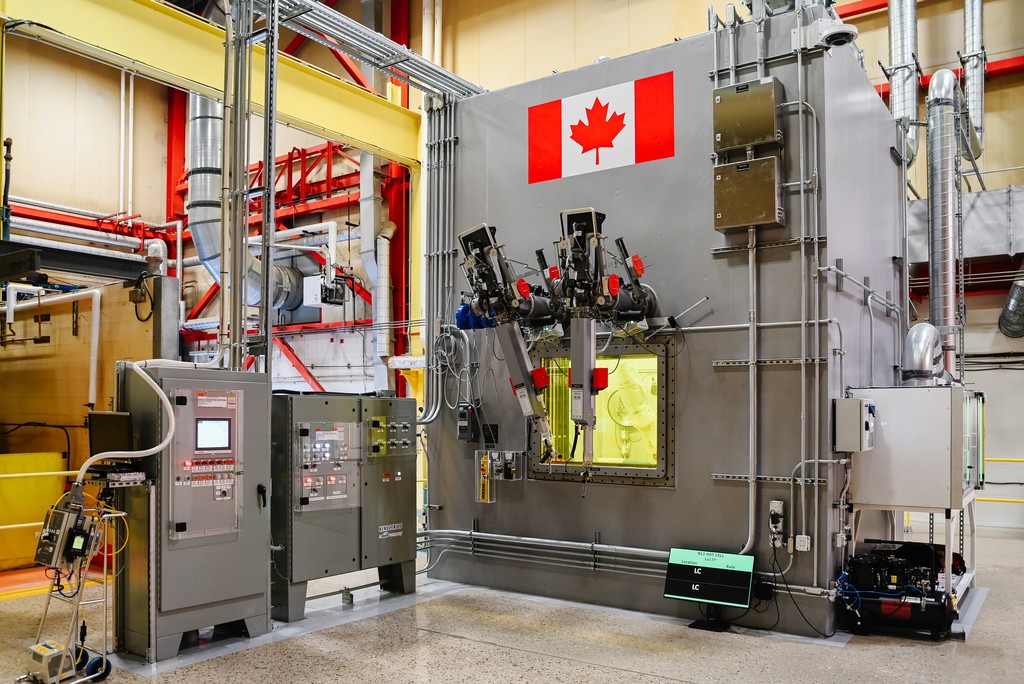
Under the approval, Bruce Power can perform the relevant processing steps on site, further streamlining the isotope production process, reducing transportation requirements, while helping to enhance operational safety, lower emissions, and strengthen Ontario's capabilities in the global medical isotope supply chain.
The hot cell facility was completed earlier this year, developed jointly by Bruce Power, Kinectrics, Bird Construction, and teams from Bruce Power's operations, engineering, licensing, radiation protection, safety, and business development departments. Once the facility is in service, qualified operators can safely handle irradiated materials remotely, reducing radiation exposure risks.
Bruce Power stated that with the hot cell approved for operation, it will strengthen Ontario's integrated medical isotope supply chain, improve production efficiency, and expand the capacity to supply cancer-fighting medical isotopes to patients worldwide.
Bruce Power has been producing cobalt-60 since 1986, providing isotope support for the sterilization of approximately 30% of single-use medical devices globally. In 2021, the company began producing medical-grade cobalt-60 for cancer treatment; in 2022, its commercial nuclear reactors began producing lutetium-177 through the Isotope Production System (IPS).
The new hot cell facility is part of Bruce Power's isotope production expansion plan, which also includes the addition of an Isotope Production System at Unit 6. Bruce Power has received regulatory approval and plans to commence commercial operations of the hot cell in September. As global demand for precision medicine grows, the facility will further support the safe and reliable supply of medical isotopes.
Disclaimer: Information republished from partner media, institutions or other websites is provided for reference and communication purposes only. It does not imply endorsement of its views or verification of its accuracy. Please contact us if any content infringes rights or requires correction.