
South Korea's Medical Radiation Examinations Exceed 430 Million Annually, with CT Scans Accounting for 67.1% of Radiation Dose
 Scan to share
According to the "2025 National Medical Radiation Assessment Yearbook" released by the Korea Disease Control and Prevention Agency on August 28, South Koreans underwent a total of 431.59 million medical radiation examinations last year, averaging 8.4 examinations per person. Over the past five years, the number of medical radiation examinations in South Korea has continued to rise, with last year's figure increasing by 4.6% year-on-year and 29.6% compared to 2021.
The report shows that the collective radiation dose from medical radiation examinations in South Korea increased from 136,804.73 person-sieverts in 2021 to 167,659.18 person-sieverts last year, an increase of 22.6%. On a per capita basis, the radiation dose rose from 2.64 millisieverts to 3.24 millisieverts.
The Korea Disease Control and Prevention Agency stated that with advances in medical technology, an aging population, and growing demand for health checkups, the use of medical radiation examinations in public healthcare services continues to expand.
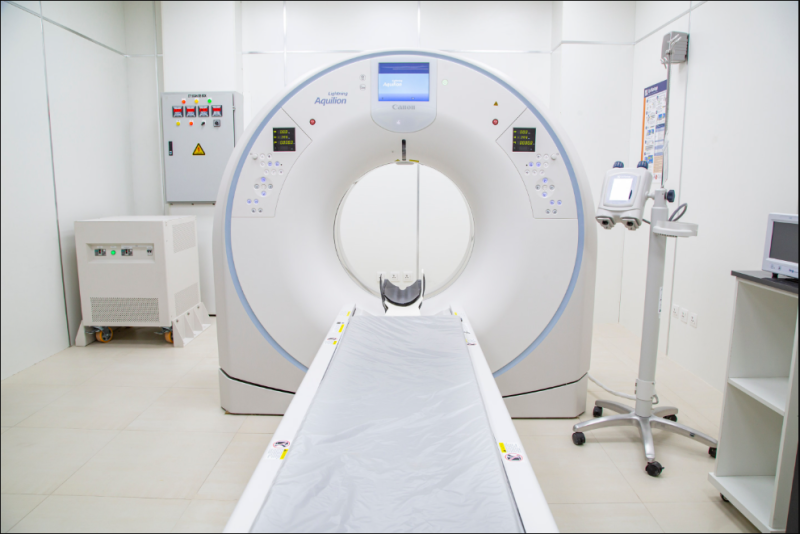
By examination type, general X-ray imaging accounted for 76.4% of all medical radiation examinations, with its corresponding radiation dose representing 27.4% of the total dose. In contrast, computed tomography (CT) scans accounted for only 3.8% of the total number of examinations, yet their radiation exposure dose accounted for as much as 67.1%. CT scans are used for precise diagnosis of conditions in the brain, lungs, abdomen, and other areas, but the radiation dose per single examination is significantly higher than that of a standard X-ray examination.
The Korea Disease Control and Prevention Agency emphasized that medical radiation examinations are necessary for accurate diagnosis and appropriate treatment of diseases. The public should not delay necessary examinations due to general concerns about radiation risks, but should communicate fully with medical staff and undergo examinations after proper assessment.
To reduce unnecessary examinations and excessive radiation exposure, the Korea Disease Control and Prevention Agency plans to continue distributing the "Guidelines for Justification of Medical Imaging Diagnosis" and "Diagnostic Reference Levels" to medical institutions and healthcare professionals, promoting more standardized and rational use of medical radiation examinations.
Disclaimer: Information republished from partner media, institutions or other websites is provided for reference and communication purposes only. It does not imply endorsement of its views or verification of its accuracy. Please contact us if any content infringes rights or requires correction.