
Huzhou, Zhejiang Launches Phase I "Drug-Device Combination" Clinical Trial for the Province's First BNCT System
 Scan to share
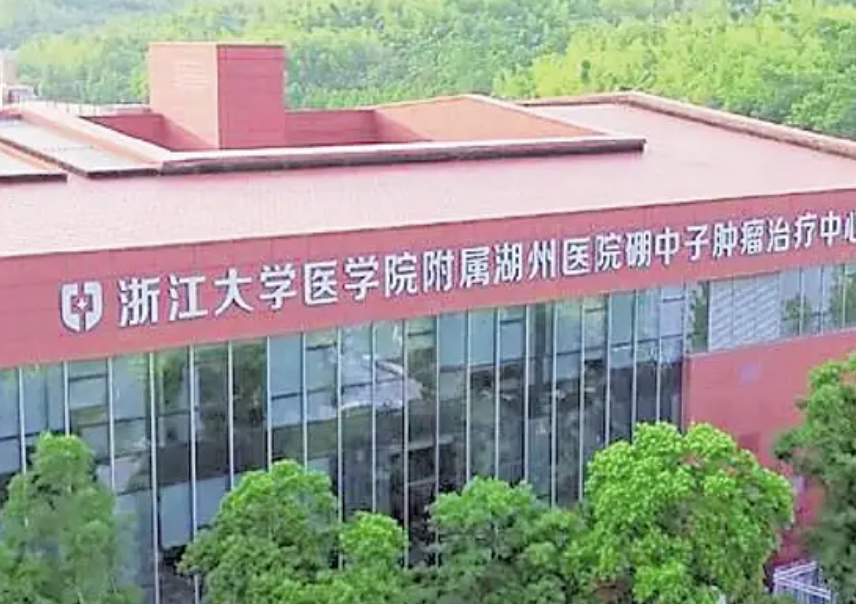
Recently, the Boron Neutron Tumor Treatment Center at Huzhou Hospital Affiliated to Zhejiang University School of Medicine has drawn attention with the introduction of the province's first Boron Neutron Capture Therapy (BNCT) system. Previously, the system had already initiated a Phase I BNCT "drug-device combination" clinical trial.
According to the system developer, Huapeng Neutron Technology (Hangzhou) Co., Ltd., BNCT is a radiotherapy technique combining drugs and devices, with its core lying in the coordinated use of boron-containing drugs and neutron irradiation. After entering the human body, the boron-containing drug can be absorbed by tumor cells; subsequent neutron beam irradiation triggers a localized reaction to achieve targeted radiotherapy against tumor cells.
Unlike conventional radiotherapy, which typically employs fractionated irradiation over a longer treatment course, BNCT emphasizes selective targeting of tumor cells, aiming to reduce damage to surrounding healthy tissues and lower radiotherapy-related side effects such as hair loss and immunosuppression. Relevant personnel stated that head and neck cancer has already been incorporated into clinical applications of BNCT internationally, and research is underway to expand indications to include brain glioma, melanoma, breast cancer, lung cancer, and other conditions.
It is understood that this BNCT treatment system in Huzhou primarily consists of an accelerator subsystem and a treatment subsystem. The accelerator subsystem is responsible for generating the neutrons required for treatment and serves as a critical component of system operation; the treatment subsystem handles functions such as image guidance, dose monitoring, and treatment control, ensuring precise execution of the treatment process.
Currently, this Phase I clinical study is progressing in accordance with the trial protocol, with the clinical team continuously tracking treatment responses and safety data of enrolled patients. The project continues to recruit eligible patients from the public to further complete clinical validation.
Disclaimer: Information republished from partner media, institutions or other websites is provided for reference and communication purposes only. It does not imply endorsement of its views or verification of its accuracy. Please contact us if any content infringes rights or requires correction.