
China and Uzbekistan Deepen Cooperation in Nuclear Safety Regulatory Training
 Scan to share
Since the National Nuclear Safety Administration and the Industrial, Radiation and Nuclear Safety Committee of Uzbekistan signed a Memorandum of Understanding (MoU) on nuclear safety cooperation at the beginning of the year, the two sides have continued to deepen their cooperation in the field of nuclear and radiation safety regulation. As an important measure to implement the MoU, the Nuclear and Radiation Safety Center of the Ministry of Ecology and Environment has successively organized two special training sessions for Uzbek nuclear safety regulators and convened China-Uzbekistan technical exchange activities on nuclear safety regulation.
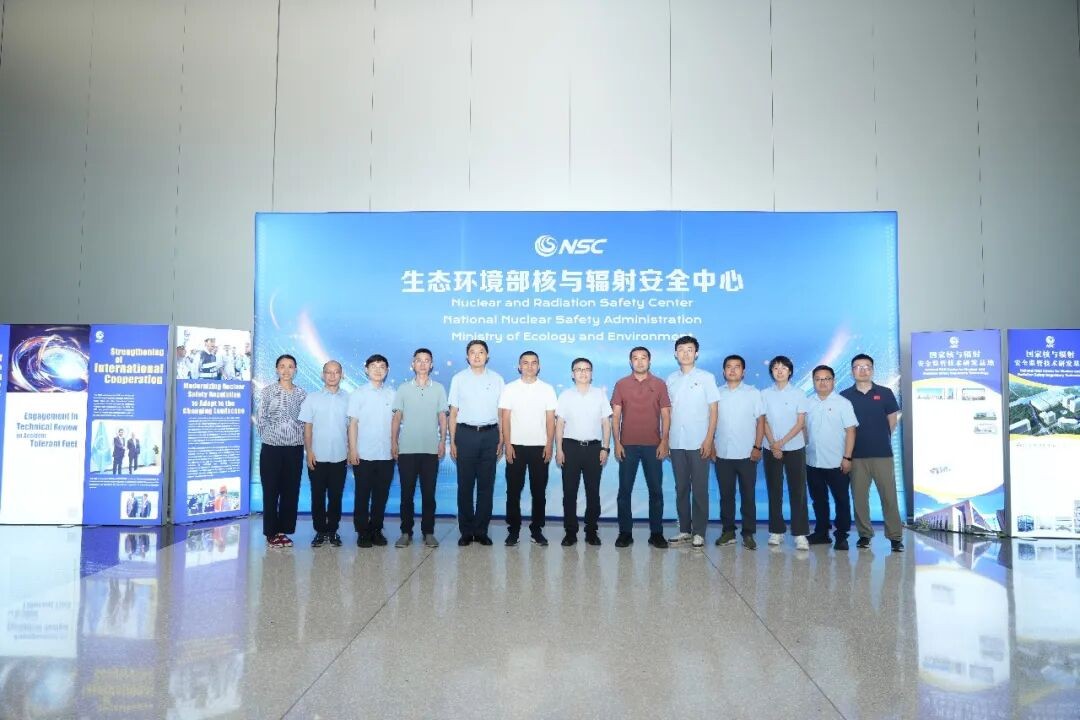
In June, the first training session focused on China's regulatory oversight of civil nuclear safety equipment. Experts from the Nuclear and Radiation Safety Center and the Northeast Regional Office of Nuclear and Radiation Safety Supervision delivered a four-week special training program for Uzbek trainees based on regulatory practices, covering the evolution and framework of China's regulatory system, regulatory requirements under the Regulations on Supervision and Management of Design, Manufacturing, Installation and Non-destructive Testing of Civil Nuclear Safety Equipment (HAF 601), license review and approval procedures, supplier quality assurance, design license amendments and renewals, rules for mechanical equipment mock-ups, personnel qualification requirements for special processes, and inspection and supervision procedures, helping Uzbek trainees systematically grasp China's regulatory practices.
In August, the second training session expanded its scope to China's nuclear safety regulatory system and practices. Multiple departments of the Nuclear and Radiation Safety Center delivered coordinated lectures covering nuclear safety overview, regulatory framework and standards, implementation of International Atomic Energy Agency (IAEA) standards, integrated management systems, nuclear power quality assurance and review, commissioning and operational regulations, environmental impact assessment and emergency requirements, encompassing key aspects of full-lifecycle safety regulation for nuclear power plants.
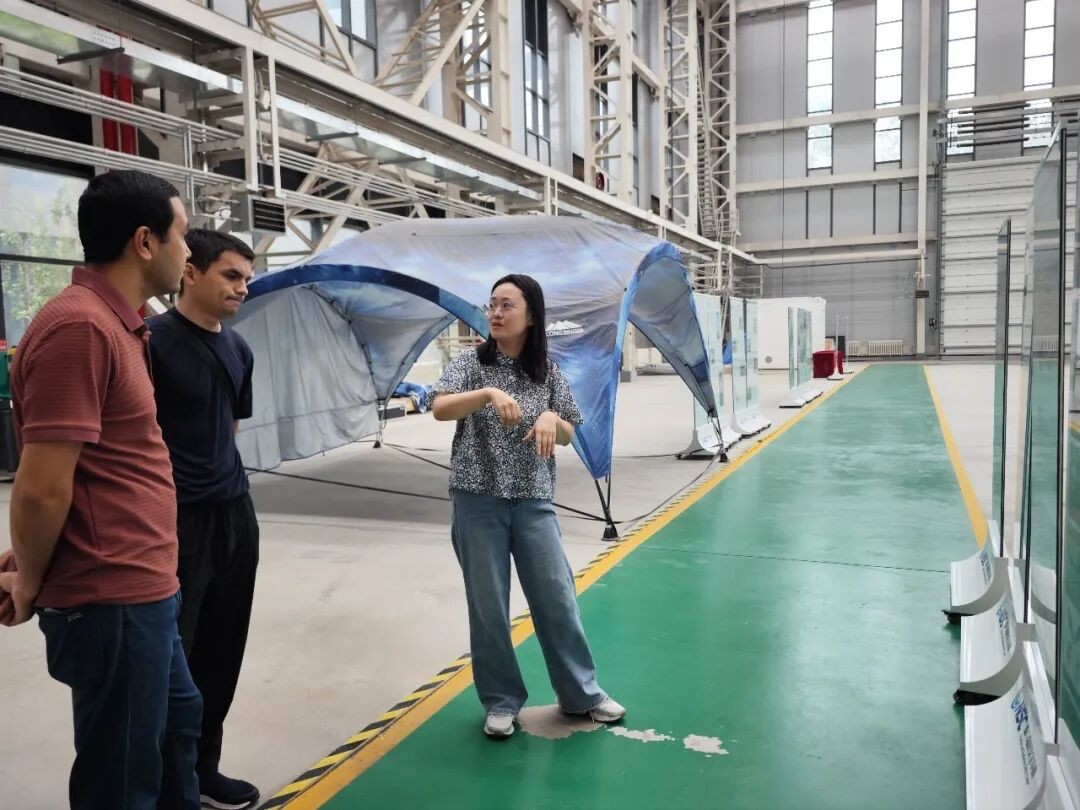
Special training on nuclear safety regulatory system and practices
During the same period, China held a China-Uzbekistan technical exchange activity via video conference. Personnel from the Department of International Cooperation of the Ministry of Ecology and Environment, relevant departments of the Nuclear and Radiation Safety Center, and Uzbek regulatory agencies conducted in-depth exchanges focusing on the theme of "nuclear safety regulatory licensing," covering topics such as regulatory hierarchy, division of responsibilities, licensing procedures, licensing of research reactors and nuclear fuel cycle facilities, as well as amendment and renewal matters.
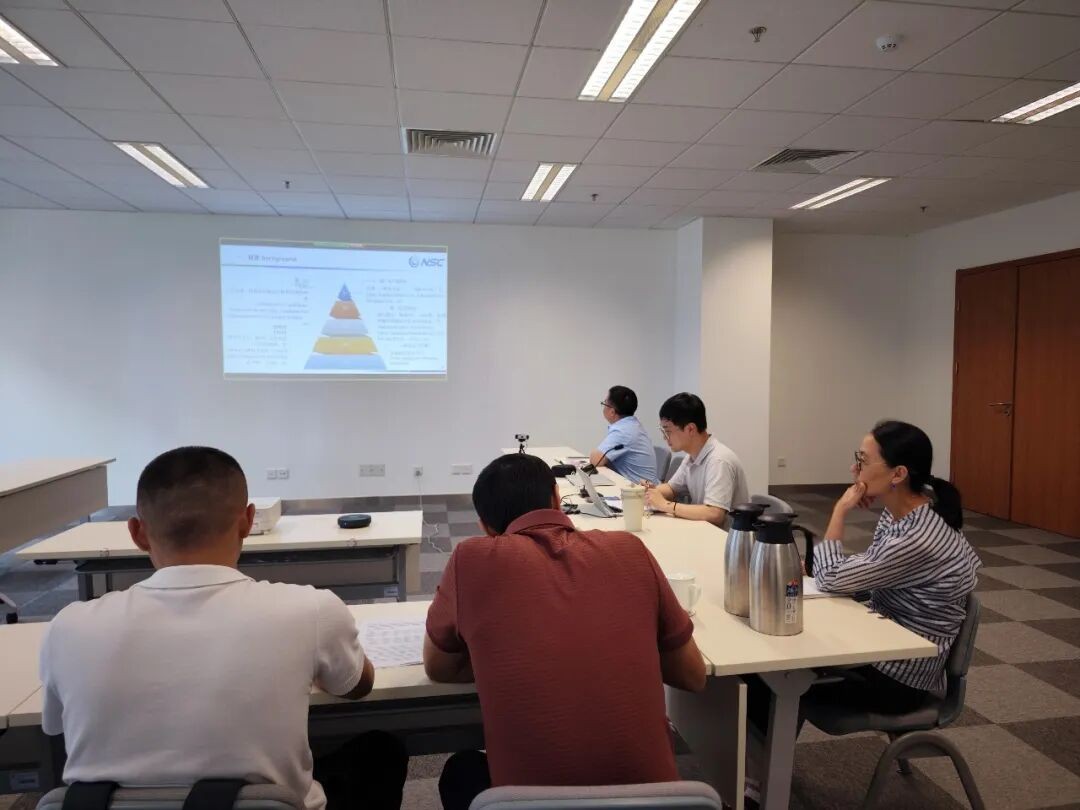
China-Uzbekistan online technical exchange on nuclear safety regulatory licensing
The two training sessions were implemented based on the bilateral MoU and with the support of mechanisms such as IAEA technical cooperation projects, representing concrete manifestations of practical cooperation. The series of activities deepened mutual understanding and cooperation between China and Uzbekistan in the field of nuclear and radiation safety, providing reference for Uzbekistan to strengthen its regulatory capabilities. Looking ahead, the Nuclear and Radiation Safety Center will continue to leverage bilateral and multilateral mechanisms to provide training and technical support to more countries, jointly enhancing nuclear safety regulatory standards.
Disclaimer: Information republished from partner media, institutions or other websites is provided for reference and communication purposes only. It does not imply endorsement of its views or verification of its accuracy. Please contact us if any content infringes rights or requires correction.