
Saudi Arabia Discovers Massive Rare Earth Mineral and Uranium Deposits
 Scan to share
Saudi Arabia has recently made a major resource discovery in the Medina region, with estimated reserves of approximately 110 million tons, containing abundant rare earth minerals and uranium resources. This discovery will undoubtedly have a profound impact on Saudi Arabia's energy strategy and international cooperation.
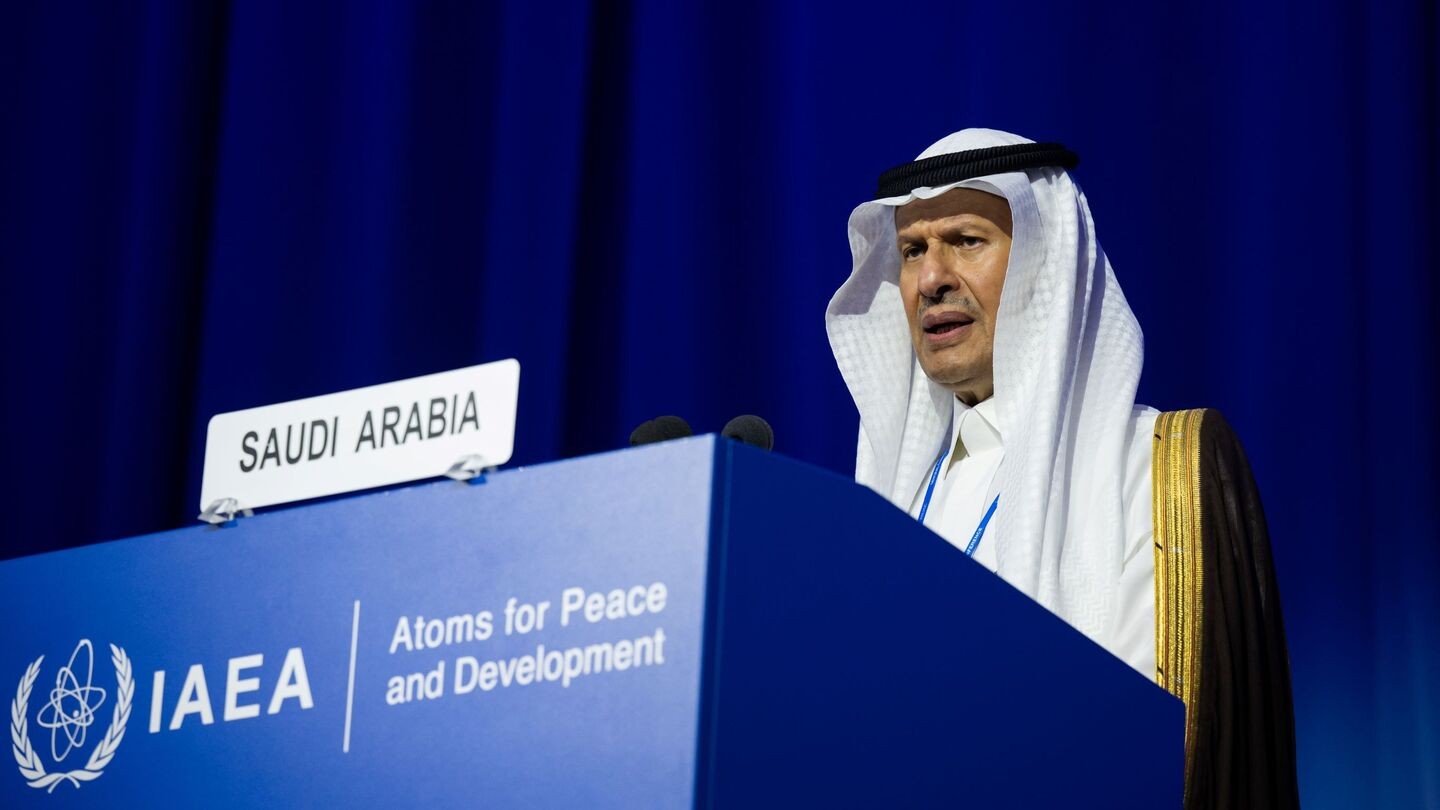
This discovery was formally announced by Saudi Arabia's Minister of Energy, Prince Abdulaziz·bin·Salman, at the International Atomic Energy Agency conference. Exploration and geological studies in the Jabal Sayid project indicate that the region has an extremely high content of rare earth elements, with particularly notable concentrations of heavy rare earth minerals, as well as uranium resources with development potential.
It is worth noting that this discovery comes precisely against the backdrop of strengthened civilian nuclear energy cooperation between the United States and Saudi Arabia. The two countries signed an important agreement in July of this year, laying the legal foundation for a multi-billion-dollar long-term nuclear partnership and facilitating the entry of more American companies into Saudi Arabia's nuclear program.
Crown Prince Mohammed·bin·Salman's visit to the United States in November 2025 further deepened cooperation between the two countries in critical minerals, metals, uranium, and supply chains. At that time, Saudi state-owned mining company Maaden established a strategic partnership with American company MP Materials, marking a new phase in bilateral cooperation.
Through the Department of Defense, the U.S. government will provide 49% of the funding for the construction of Saudi Arabia's new rare earth processing facility, with Maaden and MP Materials jointly holding the remaining 51% equity. This move demonstrates the United States' high regard for the development of Saudi Arabia's rare earth resources.
The Jabal Sayid project site is located approximately 350 kilometers northeast of Jeddah and has long been considered one of the regions rich in high-value rare earth deposits. Data analysis by the Center for Strategic and International Studies indicates that the region may contain approximately 552,000 tons of heavy rare earth elements, such as dysprosium and Tb, as well as 355,000 tons of light rare earth elements, including neodymium and praseodymium.
In addition to rare earth elements, the region is also estimated to hold approximately 31,000 tons of uranium resources. The combination of these resources provides an important opportunity for Saudi Arabia to develop an independent nuclear fuel supply chain, while also potentially providing resource support for the U.S. market.
Further regional geological surveys show that Saudi Arabia has also identified two other advanced exploration areas, with estimated total resources reaching 644 million tons. This indicates that Saudi Arabia's mineral resource potential extends far beyond this, and more discoveries may be made in the future.
In recent years, driven by growing global demand, the value of Saudi Arabia's rare earth elements has risen significantly. According to reports, as of November 2025, its value had reached approximately 100 billion U.S. dollars, an increase of 90% compared to 2018.
Disclaimer: Information republished from partner media, institutions or other websites is provided for reference and communication purposes only. It does not imply endorsement of its views or verification of its accuracy. Please contact us if any content infringes rights or requires correction.