
U.S. Submits Civil Nuclear Agreement with Saudi Arabia to Congress for Review
 Scan to share
U.S. government officials said on August 25 that President Donald Trump has submitted a proposed civil nuclear energy agreement with Saudi Arabia to Congress for review. The agreement, reached in July this year, includes provisions allowing U.S. companies to export civil nuclear technology to Saudi Arabia.
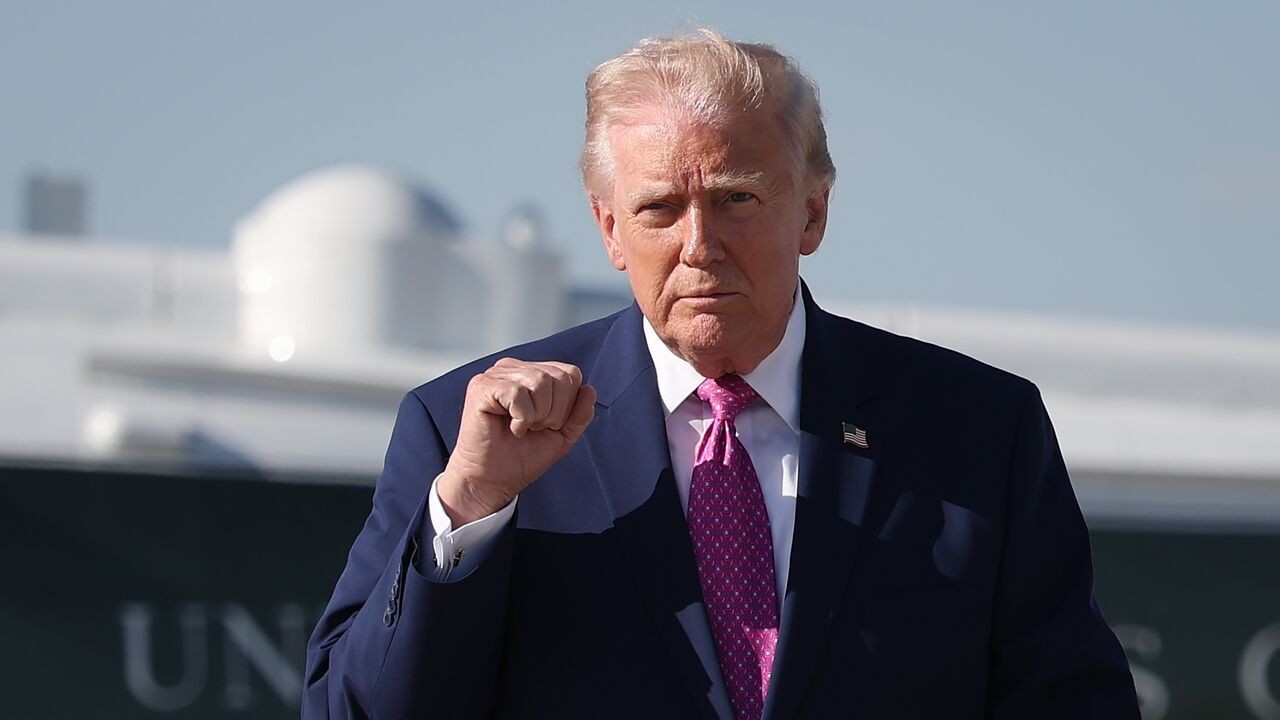
Under the relevant procedures, Congress will have 90 session days to review the agreement. Two congressional sources said the agreement has been submitted to congressional leadership and is expected to be referred to relevant committees for consideration. If Congress raises no objections within the specified period, the agreement will enter into effect; if Congress rejects the agreement, Trump may still exercise his veto power, and Congress would need a two-thirds majority to override the presidential veto.
The 30-year nuclear energy agreement involves the construction of AP1000 reactors in Saudi Arabia, with the project valued at an estimated tens of billions of dollars. If the agreement proceeds, it would benefit Westinghouse Electric Company in the United States. Westinghouse Electric is currently jointly owned by Canada's Cameco Corporation and Brookfield Asset Management.
Some U.S. lawmakers and nuclear non-proliferation experts have raised concerns over the agreement, citing that the text does not explicitly prohibit Saudi Arabia from conducting uranium enrichment or nuclear waste reprocessing activities. Both technologies hold significant importance in the civil nuclear energy system and are also sensitive areas subject to international nuclear non-proliferation review. The U.S. administration, for its part, stated that the agreement includes nuclear non-proliferation measures required by law.
Disclaimer: Information republished from partner media, institutions or other websites is provided for reference and communication purposes only. It does not imply endorsement of its views or verification of its accuracy. Please contact us if any content infringes rights or requires correction.