
Search Results
Keyword:stable isotope analysis
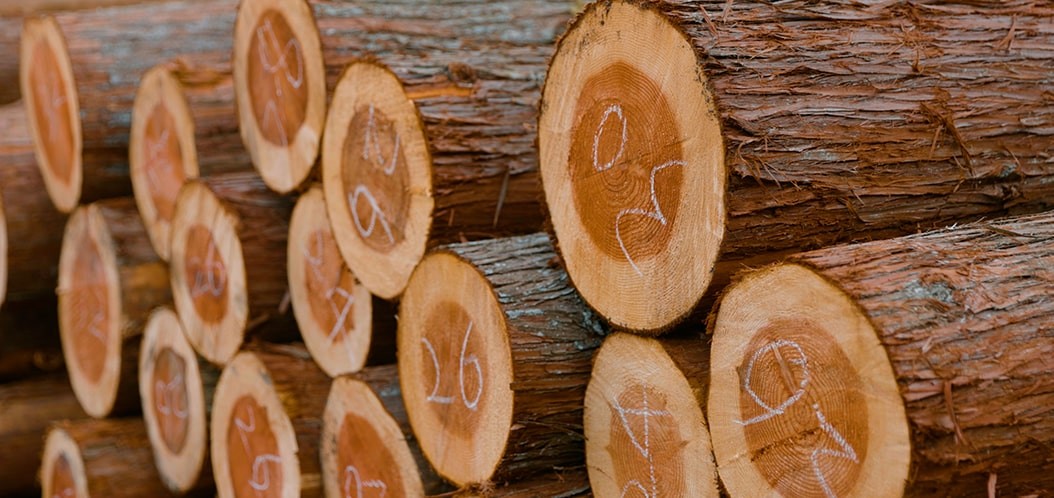
Brazilian research team uses stable isotope analysis to trace Amazon timber origins
Brazilian researchers are developing a timber traceability tool based on stable isotope analysis to help identify the origins of illegally logged wood in the Amazon region. Illegal logging is reported to be one of the major causes of deforestation in the Amazon. Local environmental and law enforcement agencies currently typically determine timber origins through plant anatomical characteristics, tree species distribution, and official records such as forest origin documents, but these methods are not always sufficient to prove that timber comes from legal areas. A research team at the Center for Nuclear Energy in Agriculture, University of São Paulo (CENA-USP) is mapping the isotopic distribution of Amazon trees. The method analyzes the ratios of different isotopes of elements such as oxygen, carbon, nitrogen, and strontium in wood cellulose to narrow down the potential harvesting areas of timber. Team leader Luiz Antonio Martinelli stated that stable isotopes are difficult to forge artificially, offering the potential to provide federal police with a more tamper-resistant technical tool.
2026-08-02

U.S. Research Team Tracks Main Drivers of Global Methane Rise Using Stable Isotope Analysis
A research team from the U.S. National Oceanic and Atmospheric Administration Global Monitoring Laboratory and the University of Colorado has recently traced the sources of the rapid rise in global atmospheric methane since 2007 through high-precision methane concentration measurements and carbon and hydrogen stable isotope analysis. The findings show that over the past two decades, microbial emissions have been the primary factor driving the increase in methane concentrations, while fossil fuel-related methane emissions may have remained relatively stable overall. A methane molecule consists of one carbon atom and four hydrogen atoms, and methane from different sources differs in its carbon and hydrogen isotope composition. Researchers used this chemical fingerprint to distinguish methane sources: fossil fuel methane such as natural gas typically contains a relatively higher proportion of carbon-13, while methane produced by microbial processes in wetlands, landfills, livestock, and agricultural environments has a lower carbon-13 proportion, exhibiting a "lighter" isotopic signature. The proportion of deuterium in hydrogen isotopes also varies with the way methane is formed, providing a further basis for source identification.
2026-07-31