
Danube River water levels continue to drop, Romania's only nuclear power plant to shut down completely
 Scan to share
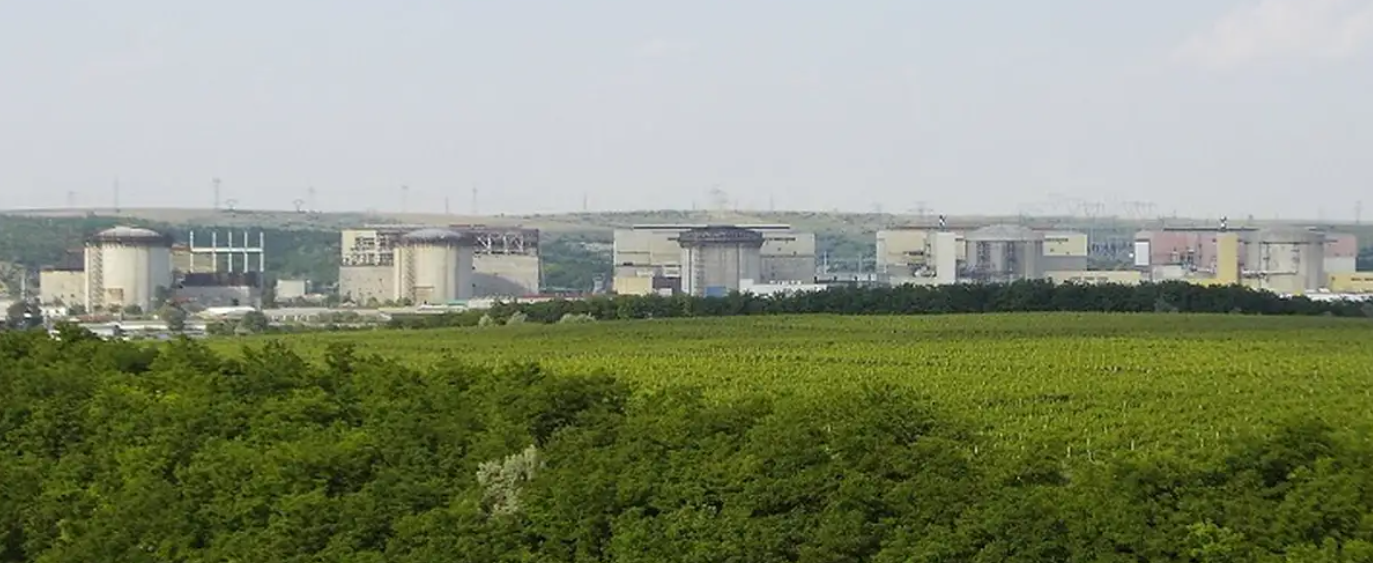
Affected by prolonged drought and high temperatures, the water level of the Danube River has been continuously declining, impacting the operation of multiple nuclear power plants along its banks. Romanian authorities have confirmed that both units of the country's only nuclear power plant——the Cernavodă Nuclear Power Plant——will be completely shut down to prevent damage to the cooling system.
Romania's Acting Prime Minister Ilie Bolojan has called on residents and large industrial users to voluntarily reduce electricity consumption, especially by controlling the load between 8:00 PM and 11:00 PM. He stated that Romania often faces electricity shortage pressure during this period. Bolojan noted that the Danube River flow rate during the same period in previous years was typically 3,900 to 4,500 cubic meters per second, but it has now dropped to 1,600 cubic meters per second, and is expected to continue decreasing in the coming days.
The operator of the Cernavodă Nuclear Power Plant, Romanian nuclear power company Nuclearelectrica, stated that due to the low water level of the Danube River, Unit 2 will be shut down on the evening of July 29 or July 30. Previously, Unit 1 of the plant had been shut down as planned and disconnected from the national grid. The company stated that the shutdown of both units is a preventive measure aimed at ensuring nuclear safety and equipment reliability, and avoiding damage to the cooling system.
Nuclearelectrica explained that the decision to shut down Unit 2 was based on the latest forecasts from the National Institute of Hydrology and Water Management. The company is a state-controlled enterprise primarily engaged in the production of electricity, thermal energy, and nuclear fuel, with the state holding an 82.5% stake. The Cernavodă Nuclear Power Plant currently has two operating units built using Canadian CANDU technology, generating approximately 20% of Romania's total national electricity output.
Dumitru Chisăliță, President of the Intelligent Energy Association, stated that due to the excessively low water level of the Danube River, both reactors at the Cernavodă Nuclear Power Plant have been shut down simultaneously for the first time, meaning Romania will lose about 20% of its available power generation capacity. He believes that Romania may need to increase electricity imports, and consumer electricity prices could also come under pressure, with related impacts potentially lasting up to 30 days.
The low water level of the Danube River has also affected nuclear power operations in Hungary. One unit of the Paks Nuclear Power Plant in Hungary has suspended power generation. Local sources indicate that the decline in the Danube River water level is related to persistent drought and high temperatures, and the plant uses Danube River water for cooling. Hungarian authorities stated that the national energy supply system remains reliable, but a decision has been made to reduce the power output of Units 1 and 3 at the Paks Nuclear Power Plant.
Recently, water levels in many sections of the Danube River have dropped significantly. The water level in the Bratislava section has fallen to a 30-year low, and similar situations have occurred in riparian countries such as Serbia and Romania.
Disclaimer: Information republished from partner media, institutions or other websites is provided for reference and communication purposes only. It does not imply endorsement of its views or verification of its accuracy. Please contact us if any content infringes rights or requires correction.