
Search Results
Keyword:Cernavodă Nuclear Power Plant
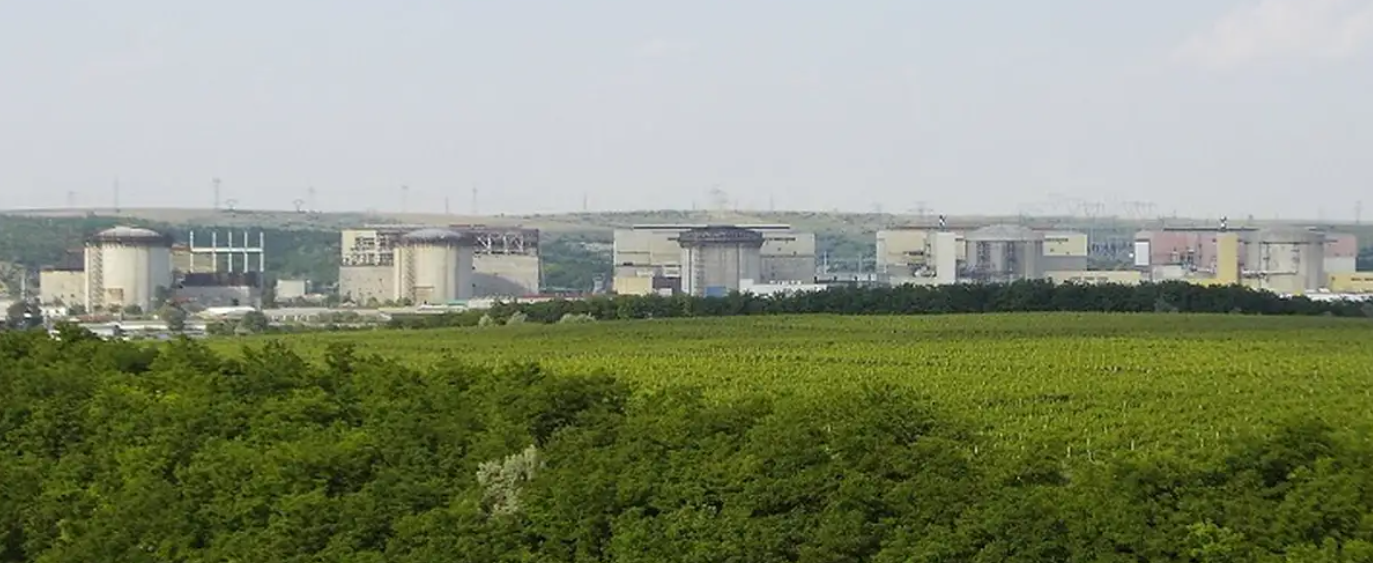
Romania's Cernavoda Nuclear Power Plant to Remain Offline Until at Least September 18 Due to Low Danube River Levels
On September 8, Romania's Cernavoda Nuclear Power Plant was expected to remain offline until at least September 18 due to low water levels in the Danube River. Emil Macovei, Technical Director of Nuclearelectrica, the operator of the Cernavoda plant, stated that over the next 10 days, the Danube's water volume would still be insufficient to support the restart of either of the plant's two units. Romania's Antena 3 television channel quoted him as saying that current hydrological conditions do not yet meet the requirements for unit operation. Cristian Busoi, Secretary of State at Romania's Ministry of Energy, said that predictions regarding the plant's restart timeline were "rather optimistic," and the ministry is currently unable to provide a definitive date for resuming operations. He confirmed that...
2026-09-09
Romania's Cernavodă Nuclear Power Plant unlikely to restart before September 10
Romania's Cernavodă Nuclear Power Plant is expected to be unable to resume operations before September 10. Cristian Bușoi, State Secretary of the Romanian Ministry of Energy, stated that although the Danube River flow is recovering, water levels around the plant have not yet reached the conditions required for a safe and stable restart. In a recent interview, Bușoi said that to avoid creating unrealistic expectations, it can currently be confirmed that the Cernavodă Nuclear Power Plant does not yet meet the conditions for restart before September 10. He explained that the plant's operation depends on a stable water source to ensure the reactor...
2026-09-03
Cernavoda Nuclear Power Plant Fully Shut Down Due to Falling Danube River Water Levels
Due to the continuous decline of the Danube River water level, the two units of Romania's only nuclear power plant, the Cernavoda Nuclear Power Plant, have been successively shut down. To alleviate the pressure on electricity supply, Unit 4 of the Rovinari coal-fired cogeneration plant has been put into operation, adding approximately 330 megawatts of generating capacity to Romania's power system. Romania's nuclear power company (Nuclearelectrica) previously reported that due to the sharp decline in the Danube River water level, which affected the assurance of cooling water for the reactor, Unit 2 of the Cernavoda Nuclear Power Plant was shut down in a controlled manner on the morning of August 13. The company stated that the shutdown process was carried out in accordance with procedures. At the end of July this year, Unit 1 of the Cernavoda Nuclear Power Plant had already been shut down for the same reason...
2026-08-19
Unit 2 of Romania's Cernavodă Nuclear Power Plant shut down for at least 10 days due to falling Danube River water levels
Romeo Urjan, head of Romania's Cernavodă Nuclear Power Plant, said that due to the continuous decline of Danube River water levels, Unit 2 of the plant has been shut down since August 13 for at least 10 days. Romania's Ministry of Energy stated on August 12 that Unit 2 of the Cernavodă Nuclear Power Plant required a temporary shutdown. As planned, the shutdown operation began on the morning of August 13 and was completed before noon that day. Urjan stated that Danube River water levels are expected to continue declining over the next 10 days, so the plant currently has no plans to restart Unit 2. He emphasized that this shutdown is unrelated to nuclear safety issues or emergencies, with the main reason being...
2026-08-14
Romania's Cernavoda Nuclear Power Plant to Shut Down Due to Falling Danube River Levels
Romania's Ministry of Energy announced on the 12th local time that, due to current hydrological conditions, Unit 2 of the Cernavoda Nuclear Power Plant will undergo a controlled shutdown starting on the 13th. Cernavoda is Romania's only nuclear power plant, and this shutdown will mark the first time the plant has been completely taken offline since 2003. The Cernavoda plant has two units, with Unit 1 already shut down at the end of last month. The plant accounts for approximately one-fifth of Romania's electricity generation. Romanian authorities had previously taken engineering measures to delay the shutdown of Unit 2, including dredging relevant sections of the Danube River, blasting and removing underwater rock obstacles, clearing the riverbed, and sinking barges loaded with crushed stone into the river channel to adjust water flow conditions. These operations involved an investment of over 2 million euros.
2026-08-13
Romania's Cernavodă Nuclear Power Plant to Shut Down Completely Due to Low Danube Water Levels
Affected by persistent drought and low Danube water levels, the Cernavodă Nuclear Power Plant in Constanța County, southeastern Romania, is expected to be completely shut down within the next 48 hours. Sorin Lindasu, a representative of Romania's water utility company Apele Române, stated that based on current hydrological forecasts, the shutdown of the nuclear power plant is unavoidable and there is no other solution. On Tuesday local time, the Danube's flow rate at its Romanian estuary dropped to 1,370 cubic meters per second, below the previous historical low of 1,450 cubic meters per second. Meteorological forecasts indicate no significant rainfall in the Danube basin over the next five days. Cristian Bușoi, State Secretary of the Romanian Ministry of Energy...
2026-08-12
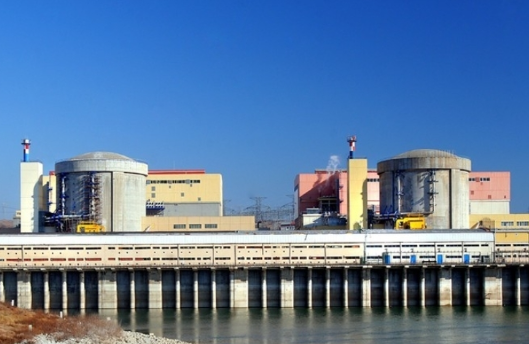
Romania Plans to Allocate 51 Million Lei for Danube Dredging to Ensure Operation of Cernavodă Nuclear Power Plant
The Romanian government will allocate 51 million lei for Danube River dredging works, an arrangement specifically highlighted as crucial to the Cernavodă Nuclear Power Plant. The Danube is not only an important shipping route for Romania but is also closely linked to the operation of energy infrastructure—river water depth, flow conditions, and water intake safety all affect the stable operation of coastal industrial and power facilities. The Cernavodă Nuclear Power Plant is a key asset in Romania's power system, and its operation requires stable water source conditions as cooling assurance. If the Danube experiences low water levels, sediment accumulation, or navigational obstructions, it could increase operational management pressure on the nuclear power plant and also affect the transport of fuel, equipment, and...
2026-08-11
Unit 2 of Romania's Cernavoda Nuclear Power Plant Still at Risk of Shutdown
Ionel Scrioșteanu, State Secretary of Romania's Ministry of Transport and Infrastructure, stated that Unit 2 of the Cernavoda Nuclear Power Plant is currently still in operation, but the risk of shutdown has not been eliminated. On August 8, Romanian authorities took emergency measures by sinking four fully loaded barges into the Danube River to raise local water levels, increasing the water intake into the plant's cooling water system to ensure the cooling needs of the reactor units. Scrioșteanu said on social media that the related actions have achieved positive results, allowing Unit 2 of the Cernavoda Nuclear Power Plant to continue operating...
2026-08-11
Unit 2 of Romania's Cernavoda Nuclear Power Plant to Operate for at Least 9 More Days
Unit 2 of Romania's Cernavoda Nuclear Power Plant is expected to continue operating for at least 9 more days. Romania's Acting Minister of Defense and Transport, Radu Miruță, stated that after blasting operations and the removal of underwater obstacles in the Danube River, the water level in the Cernavoda area rose by 4 centimeters over the past 24 hours. The previous day, the water level in the area had dropped by 3 centimeters. Recently, due to persistent drought, the Danube River's water level has fallen to historic lows, putting pressure on the plant's water intake and reactor cooling. To increase water supply in the river section near the Cernavoda Nuclear Power Plant, Romania last week implemented unconventional engineering measures, including blasting a rock formation in the Danube and sinking barges loaded with cargo to alter...
2026-08-10
Drought Lowers Danube Water Levels, Romania Plans to Restrict Industrial Power Use if Necessary
Romania's Acting Prime Minister Ilie Bolojan said after a cabinet meeting on August 6 that the government has developed a comprehensive risk prevention plan covering multiple risk scenarios, including earthquakes, public health events, and the current drought, with corresponding response measures clearly defined. Under the plan, Romania will establish a national operations center in the energy sector. Bolojan stated that the government will approve on August 7 measures by Transelectrica to take action when necessary: with 24 hours' prior notice, certain industrial users may be disconnected from the national grid. He also emphasized that power supply to ordinary citizens, apartments, and residential users will not be...
2026-08-07
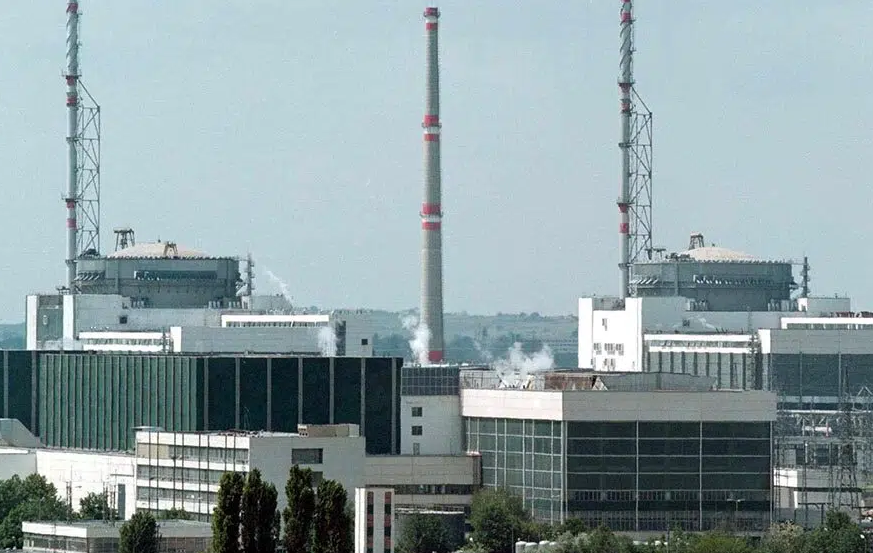
Bulgaria's Kozloduy Units 5 and 6 VVER-1000 Continue Stable Power Generation
Bulgaria's Ministry of Energy confirmed on August 4 that Units 5 and 6 (both VVER-1000) at the Kozloduy Nuclear Power Plant remain stably connected to the grid despite record-low Danube River water levels and an ongoing heatwave. Professional assessments indicate that even if the river level continues to decline at the current rate, no power reduction will be required for the next three weeks. Bulgarian authorities have confirmed that they maintain continuous contact with relevant institutions in Serbia and Romania to coordinate and monitor the situation on the Danube waterway. The stable operation of the Kozloduy Nuclear Power Plant comes at a time when neighboring operators along the Danube have been forced to reduce output or cease operations. Due to the sharp drop in water levels and rising river water temperatures, Hungary has had to significantly reduce power output and shut down the Paks Nuclear Power Plant, which supplies more than 40% of the country's electricity.
2026-08-06
Romania postpones sinking barges to guide water flow, safeguarding cooling water supply for Cernavodă Nuclear Power Plant
Romania has recently taken emergency measures to address the impact of the persistently declining Danube River water level on the water supply to its nuclear power plant. On August 5 local time, Romanian authorities stated that four barges would be sunk in the Danube River to guide water flow into the water intake channel related to the cooling water supply of the Cernavodă Nuclear Power Plant. Cernavodă is Romania's only nuclear power plant. Affected by drought and the low water level of the Danube, the plant's water intake conditions are under pressure. On August 3, the Romanian military used approximately 180 kilograms of explosives to blast and clear a rock formation in the Danube riverbed, aiming to improve the water flow channel, ensure the cooling water source for units in operation, and prevent the nuclear units from being forced to shut down due to insufficient water supply...
2026-08-06

Low Danube Water Levels Impact Nuclear Power Plant Operations in Romania and Hungary
On August 4, amid persistently low Danube River water levels, Romania was rushing to build temporary dikes to divert more river water toward the Cernavodă Nuclear Power Plant to secure cooling water for its remaining operational reactor. Meanwhile, Hungary stated that the only still-operating turbine unit at the Paks Nuclear Power Plant was running in a safe condition. Both Hungary's Paks Nuclear Power Plant and Romania's Cernavodă Nuclear Power Plant rely on Danube River water for cooling. Recently, the Danube's water level dropped to historic lows, leading to a significant decline in nuclear power output in both countries. Budapest and Bucharest have had to increase electricity imports and call on residents and businesses to reduce consumption to ease grid pressure...
2026-08-05
Romania purchases nuclear electricity from Ukraine via Moldova to fill gap left by Cernavoda Unit 1 outage
Romanian state-owned nuclear power company Nuclearelectrica announced on August 3 that it purchased electricity from Ukraine, using Moldova's state-owned power supplier Energocom as an intermediary. Although the specific transaction amount is confidential, the price will be determined at market rates. This purchase is intended to compensate for the power gap caused by the shutdown of Unit 1 at the Cernavoda Nuclear Power Plant, thereby mitigating the impact on Romania's energy market. According to the statement, the purchase price will reference official prices on regional spot exchanges, particularly during peak demand hours from 7 PM to 10 PM. Given the widespread heatwave and tight electricity demand currently affecting Romania and Europe, the market...
2026-08-04
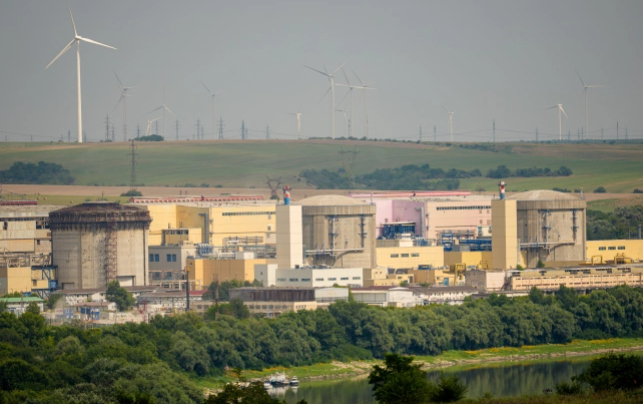
Unit 2 of Romania's Cernavoda Nuclear Power Plant can only operate for about 5 more days due to the continuously declining water level of the Danube River
Unit 2 of Romania's Cernavoda Nuclear Power Plant is expected to operate for only about five days due to the declining water level of the Danube River. Romeo Urjan, the plant's director, stated that if the Danube's water level continues to drop at a rate of 2 to 3 centimeters per day, Unit 2 will soon cease operation. Unit 1 has already been shut down due to insufficient water flow. Urjan emphasized that despite this, Unit 2 continues to operate within normal parameters, and nuclear safety is not under any threat. To alleviate the situation, relevant authorities are preparing to deploy four barges to divert more water to the plant, hoping to raise the water level by 7 to 8 centimeters, thereby extending the plant's operating time. Related...
2026-08-04