
Russia-Brazil Uranium Conversion Cooperation Upgraded, Uranium Processing at Angra NPP Increased by 25%
 Scan to share
In June 2026, Russia and Brazil signed an agreement to increase uranium conversion volumes for the Angra nuclear power plant in the South American country by 25%. This move is of strategic significance, as Russian fuel fully guarantees the operation of the country's only nuclear power plant.
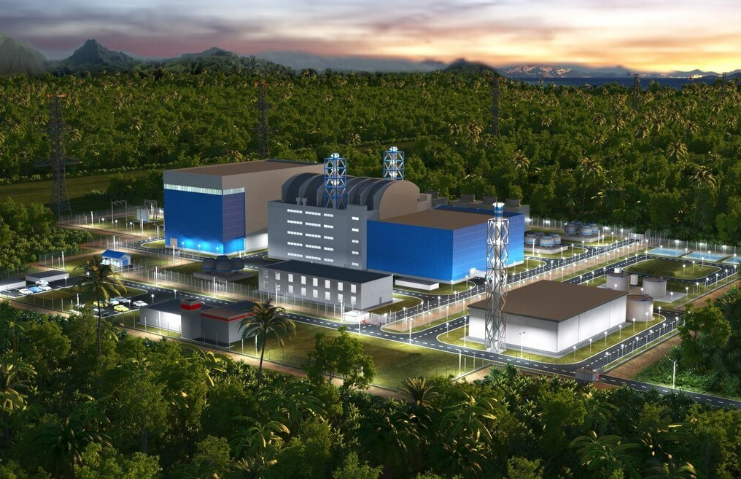
Russia is a key economic partner of Brazil, a Latin American nation, and one of the five historical founding members of the BRICS group. Brazil accounts for more than 50% of Russia's trade with the region, with bilateral trade volume reaching $10.9 billion by the end of 2025. The two countries are developing technical cooperation, particularly in the nuclear field. In December 2022, they signed a five-year contract to supply 100% of the enriched uranium for Brazil's only Angra nuclear power plant.
In 2025, Rosatom successfully won the bid for the uranium conversion and enrichment project at the Caetité deposit in Bahia State. Subsequently, in June 2026, a supplementary agreement was signed to increase the scope of this contract by 25%. This indicates that cooperation is not only continuing but also gradually expanding. Rosatom noted that the Brazilian government plans to increase domestic electricity generation from 255 GW to 367 GW by 2035. Authorities expect final energy consumption in the country to grow at an average annual rate of 1.8% by 2035.
Although Brazil has abundant river resources, with hydropower accounting for more than 50% of its energy supply, wind and solar power applications are also growing rapidly. In addition, Brazil is a world leader in energy production from sugarcane, which is burned in dedicated thermal power plants. However, wind and solar are intermittent energy sources, and hydropower also faces challenges during drought periods. Nuclear power plants, on the other hand, guarantee round-the-clock electricity supply. The Russian side has proposed various solutions, ranging from large VVER-1200 reactors to land-based and offshore small modular reactors (SMRs).
Disclaimer: Information republished from partner media, institutions or other websites is provided for reference and communication purposes only. It does not imply endorsement of its views or verification of its accuracy. Please contact us if any content infringes rights or requires correction.