
Uranium "Breakthrough" in Poland's Świętokrzyskie Mountains Falls Short, Industria Announces Canadian Lab Results and Halts Exploration
 Scan to share
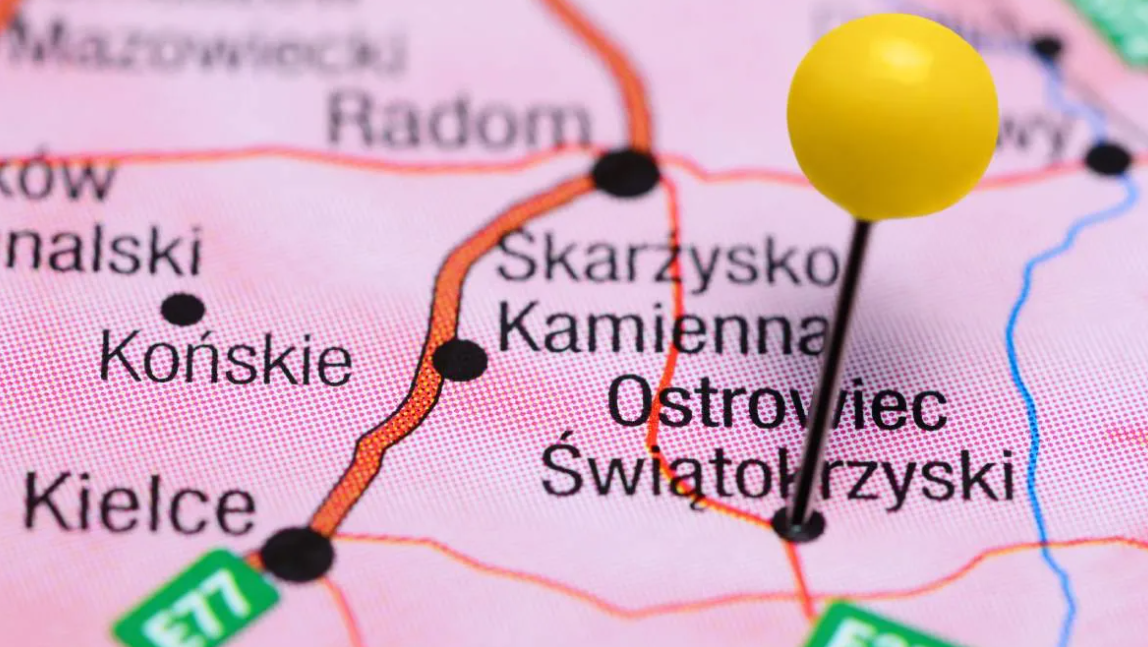
Poland's uranium exploration has recently yielded results, with Świętokrzyska Grupa Przemysłowa Industria announcing the conclusion of uranium exploration near Kielce. Although reports two years ago suggested a breakthrough uranium discovery that could potentially bring Poland into the nuclear fuel supply sector, subsequent studies revealed that uranium concentrations in the area are extremely low, close to natural background levels and far below the threshold for economically viable extraction. Laboratory analysis results indicated that uranium and thorium concentrations in the ore are too low for commercial mining, leading the company to terminate further exploration.
According to data from the International Atomic Energy Agency, the world's major uranium resources are concentrated in Australia, Kazakhstan, and Canada. Australia holds approximately 30% of global uranium reserves, while Kazakhstan, though slightly less endowed than Australia, leads in uranium production, accounting for nearly 40% of global output. Other significant uranium-producing countries include Namibia, Uzbekistan, and China, which is actively investing in overseas uranium projects. Poland's geological structure indicates uranium deposits in the Sudetes Mountains, the Podlasie Lowland, Pasłęk, and Krynica Morska, but current assessments suggest these deposits are not economically viable for extraction.
Despite Poland's limited uranium resources, global demand for nuclear energy is steadily growing. In particular, the rapid development of artificial intelligence technology has driven a surge in energy demand, fueling a boom in nuclear power plant construction. Currently, 438 nuclear reactors are in operation worldwide, with another 78 under planning or construction. By 2040, global nuclear power capacity is projected to increase from 398 gigawatts in 2025 to 746 gigawatts. Uranium, as a key raw material for nuclear fuel, will play an increasingly important role in the future energy mix.
Uranium prices are also on the rise, surging from approximately $32 per pound five years ago to nearly $100, with current prices around $86 per pound. Although Poland has not become a uranium supplier, the growing global demand for clean energy ensures that uranium remains a strategically significant and highly valuable scarce resource. Świętokrzyska Grupa Przemysłowa Industria has concluded its exploration, bringing an end to Poland's story of entering the nuclear fuel market.
Disclaimer: Information republished from partner media, institutions or other websites is provided for reference and communication purposes only. It does not imply endorsement of its views or verification of its accuracy. Please contact us if any content infringes rights or requires correction.