
Czech nuclear safety officials say domestic nuclear power plants have sufficient cooling water for both existing and new units
 Scan to share
Droughts across parts of Europe are affecting the operation of some nuclear power plants. Due to low water levels and flow rates in the Danube River, two reactors at Romania's Cernavodă Nuclear Power Plant have been shut down, and Hungary's Paks Nuclear Power Plant also faces the risk of a complete shutdown. Štěpán Kochánek, Chairman of the Czech State Office for Nuclear Safety (SÚJB), stated that plant operators should not be allowed to continue operating units at full power when cooling water is insufficient, and that related shutdown measures are conservative actions predefined in operating procedures.
Kochánek explained that reactor shutdowns are not an unusually rare operation. Unit shutdown typically involves gradually reducing reactor power, inserting control rods, and bringing fission reactions to a minimal level or complete cessation. After shutdown, the reactor still requires cooling, but the demand for cooling water volume and capacity is significantly lower than during full-power operation. He noted that this process shares similarities with planned outages such as refueling overhauls and is a standardized procedure that operators should master.
Addressing external concerns about the safety of shutdowns, Kochánek pointed out that a controlled shutdown is not an accident condition; the process follows clear procedures and objectives. Although any complex operation may involve human or equipment-level deviations, nuclear power plant designs incorporate protection systems and safety mechanisms that can prevent accident escalation under abnormal conditions. Therefore, the risk of a normal controlled shutdown itself is very low.
The main issue at the Paks Nuclear Power Plant is the deterioration of cooling water intake conditions. The plant draws water from the Danube River for cooling, but current river water levels are below those required for normal intake. Kochánek explained that although water remains in the river channel, the intake pipes are now close to the water surface, making it difficult to draw water steadily and continuously as before. Under such circumstances, preventive power reduction or shutdown is a necessary measure to ensure safety.
The plants most affected by drought in Europe are primarily those using once-through cooling systems. Such plants draw water directly from rivers or other water bodies, use it for cooling, and then discharge it back, making them sensitive to water levels, flow rates, and temperatures. Countries such as France have also restricted the output of some nuclear units in recent years for similar reasons.
Regarding whether drought resilience can be improved through retrofits, Kochánek believes that from a technical standpoint, switching to or adding other cooling methods is possible, such as constructing cooling towers or adopting hybrid cooling schemes. However, such retrofits involve substantial engineering work and must be evaluated item by item based on site geological conditions, building load-bearing capacity, seismic requirements, and economic feasibility; not all nuclear power plants are suitable for implementation.
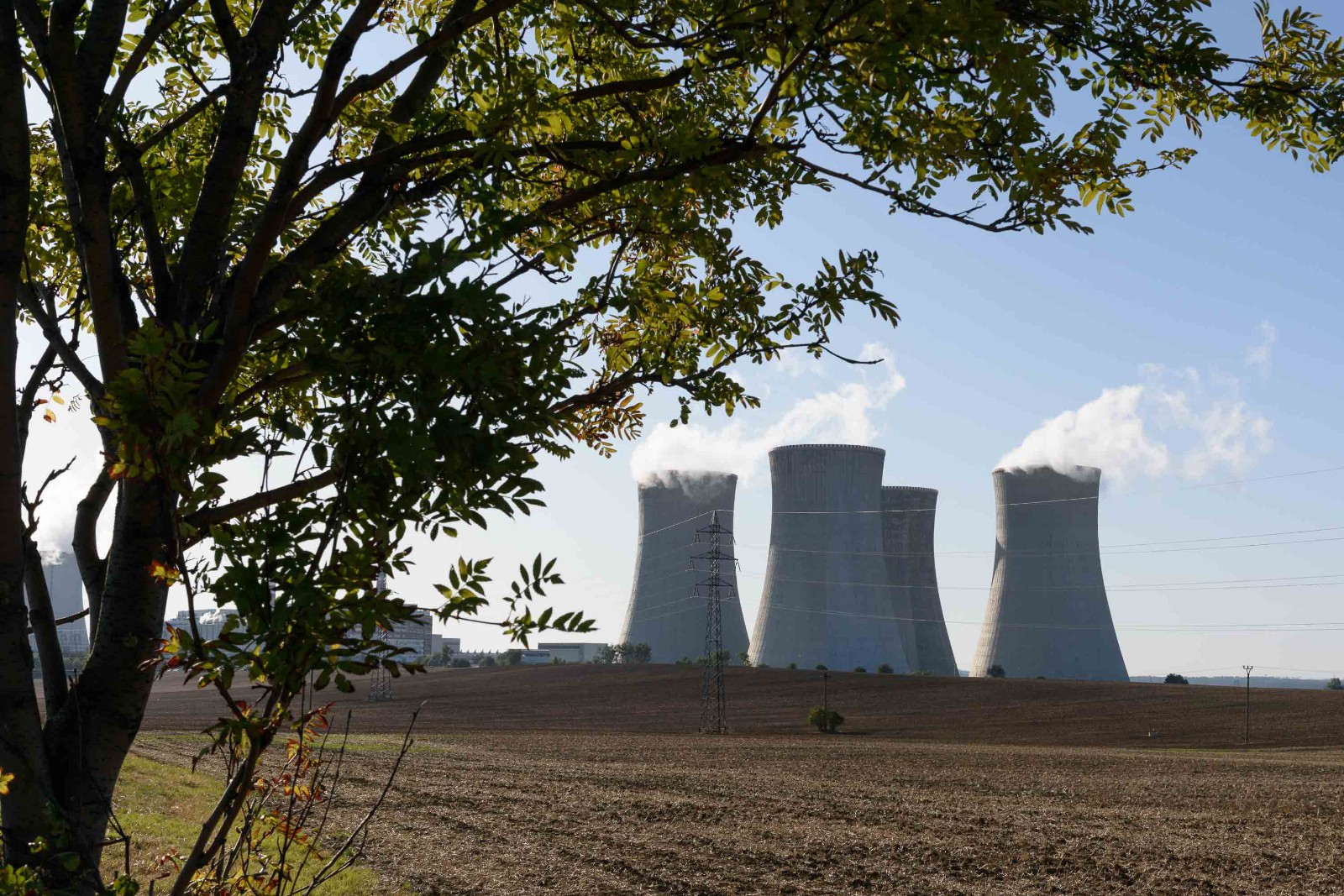
Existing nuclear power plants in the Czech Republic use cooling tower systems supplemented by reservoir water storage, and do not rely entirely on real-time inflow from natural rivers. Kochánek stated that the cooling systems at the Dukovany and Temelín nuclear power plants were designed with water supply assurance in mind, and the associated reservoirs can provide necessary cooling water for the units. Unless extreme climate scenarios far beyond current projections occur, Czech nuclear power plants should not experience cooling water shortages.
Regarding the planned new nuclear unit at Dukovany, Kochánek said that cooling water requirements have been calculated in the project documentation and environmental impact assessment. The new unit will adopt cooling principles similar to the existing systems, with consideration given to partially using hybrid cooling based on dry cooling principles to reduce pressure on water consumption from the Dalešice Reservoir. He noted that cooling water demand will increase as more units are added at the site in the future, but under the current plan, operational needs should be met.
Disclaimer: Information republished from partner media, institutions or other websites is provided for reference and communication purposes only. It does not imply endorsement of its views or verification of its accuracy. Please contact us if any content infringes rights or requires correction.