
Czech Republic Proposes Amendments to Low-Carbon Act, Key Dukovany Nuclear Contracts May Exit Public Registry
 Scan to share
The Czech Ministry of Industry and Trade recently published a draft amendment to the Low-Carbon Act, proposing adjustments to the Act on Measures for the Transition to Low-Carbon Energy and related energy laws and contract registration regulations. On the surface, this legislative change is primarily aimed at unifying the support mechanisms, contract signing procedures, and compensation settlement rules for new nuclear power projects. However, the most notable change is that certain key contracts involving the construction and financial support of nuclear power units may no longer be required to be disclosed in the public contract registration system.
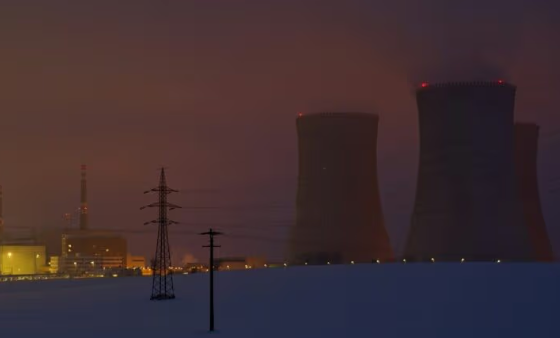
The draft proposes the "compensation mechanism contract" as the basic model for supporting new nuclear projects, with a nature similar to a bilateral contract for difference—providing compensation when market electricity prices fall below agreed levels, and requiring repayment or settlement when prices exceed agreed levels. The original power purchase agreement is retained as a fallback option, to be used only when explicitly required by a government resolution. The Czech Ministry of Industry and Trade states that this arrangement is more aligned with the European Commission's recent policy direction in state aid reviews and helps enhance legal certainty for the financing and execution of nuclear projects.
The core of the controversy lies not in whether to support nuclear expansion, but in the fact that the boundaries of public oversight are being significantly narrowed. The new Dukovany nuclear units involve massive investment, long-term electricity price arrangements, and potential fiscal liabilities. The contract terms will directly affect taxpayers, consumers, and the future electricity market. If key documents such as contracts for difference and construction support agreements no longer enter the public registry, it will become more difficult for outside parties to assess whether project costs, risk allocation, the scope of government guarantees, and contractor obligations are reasonable.
More sensitively, the amendment may also allow certain already-disclosed contracts to be re-designated as inaccessible without affecting their legal validity. This means the transparency change applies not only to future contracts but may also affect documents already in the public domain. The government emphasizes legal stability and the protection of commercially sensitive information, but critics worry that in nuclear projects valued at hundreds of billions of korunas, excessive secrecy would weaken the ability of parliament, the media, and the public to oversee major energy investments.
The Dukovany project is of strategic significance to the Czech Republic's energy security and low-carbon transition. The government's desire to reduce investment uncertainty through a clearer support mechanism is unsurprising given the long construction cycles and high capital costs of nuclear power. However, if the legislative change comes at the expense of reduced public disclosure, it will inevitably raise questions about "weakening transparency under the guise of technical adjustments." In the upcoming legislative deliberations, the focus of discussion is likely to center on how to strike a balance between national energy strategy, commercial confidentiality, and public fiscal oversight.
Disclaimer: Information republished from partner media, institutions or other websites is provided for reference and communication purposes only. It does not imply endorsement of its views or verification of its accuracy. Please contact us if any content infringes rights or requires correction.