
Small Modular Reactors Expected to Contribute One-Quarter of Global New Nuclear Capacity by 2050
 Scan to share
According to data compiled by the World Nuclear Association (WNA), global nuclear power installed capacity is expected to reach 1,446 GWe by 2050. This projection is based on the continued operation of existing reactors and the implementation of announced nuclear power development targets by governments.
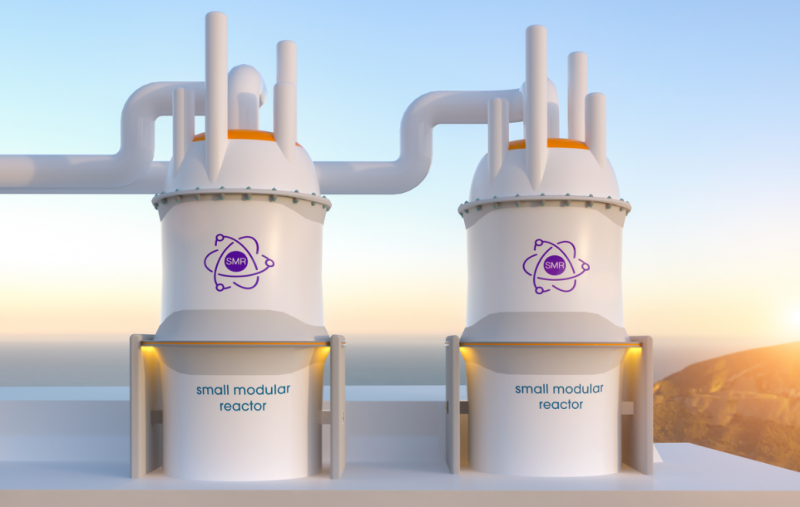
Currently, global installed nuclear capacity stands at approximately 403 GWe. To achieve the above scale, an additional approximately 1,043 GWe of nuclear capacity will need to be added. Among this, Small Modular Reactors (SMRs) are expected to contribute about 260 GWe, accounting for roughly one-quarter of global new nuclear capacity.
Factors driving nuclear power expansion are increasing. The rapid adoption of artificial intelligence applications has driven up electricity demand from data centers, and the accelerating electrification of transportation and industrial sectors has further elevated the importance of stable, low-carbon electricity supply. Meanwhile, energy security and net-zero emission targets are prompting more countries to reassess the role of nuclear energy in their energy mix.
At the 28th Conference of the Parties (COP28) to the United Nations Framework Convention on Climate Change, held in Dubai in 2023, multiple countries committed to tripling global nuclear power capacity by 2050. This goal has further strengthened the position of nuclear energy in the global energy transition.
Compared with traditional large-scale nuclear power units, Small Modular Reactors feature smaller unit size, modular design, shorter construction periods, and more flexible deployment methods, with relatively lower upfront investment pressure. As a result, this technology is becoming one of the key focus areas in the new round of nuclear power investment plans.
The industry generally believes that SMRs are suitable for hyperscale data centers, energy-intensive industrial facilities, remote areas, and scenarios with high requirements for continuous power supply. Currently, some SMR projects have entered the licensing, demonstration, or early construction stages, and their commercial deployment is expected to accelerate in the 2030s.
In terms of investment scale, from 2025 to 2050, the cumulative investment demand across the nuclear energy value chain is expected to reach approximately $6 trillion to achieve global nuclear expansion targets. Among this, investment in reactor projects is estimated at approximately $5.3 trillion. Large conventional nuclear projects are expected to attract approximately $3.5 trillion in investment, while SMR projects are expected to attract approximately $1.5 trillion, accounting for nearly one-third of total reactor project investment.
By phase, global nuclear energy investment is expected to reach approximately $700 billion from 2025 to 2030. As countries transition from policy planning to project construction, investment is expected to increase to approximately $2.3 trillion from 2031 to 2040. From 2041 to 2050, related investment is expected to remain at approximately $2.3 trillion.
Disclaimer: Information republished from partner media, institutions or other websites is provided for reference and communication purposes only. It does not imply endorsement of its views or verification of its accuracy. Please contact us if any content infringes rights or requires correction.