
India's Nuclear Power Expansion Drives Up Uranium Demand, Annual Demand Could Reach 5,400 Tonnes
 Scan to share
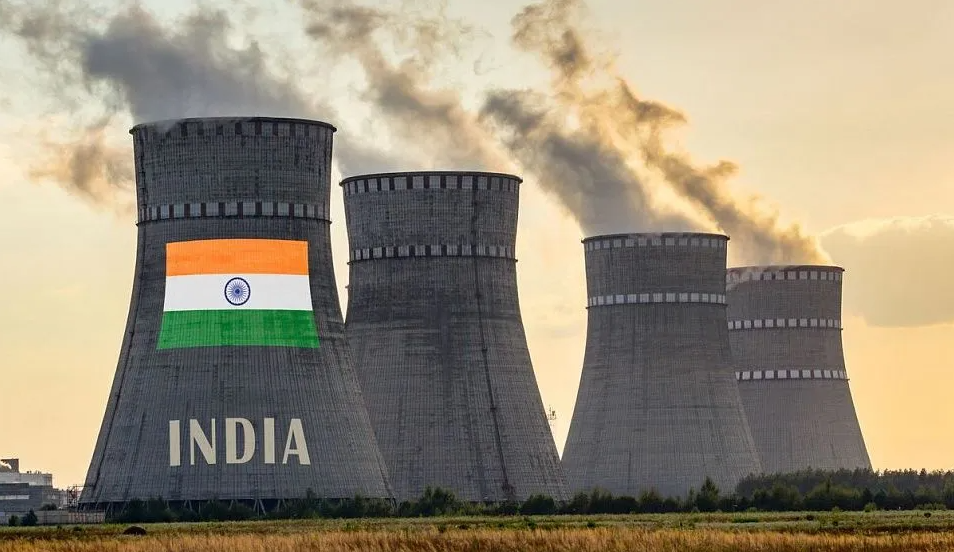
India is accelerating its nuclear energy development program, with uranium resource demand rising correspondingly. According to estimates by the Indian Parliament's Committee on Public Undertakings in the "NPCIL Performance Rectification Follow-up Report," India will require approximately 5,400 tonnes of uranium annually in the future as nuclear power projects expand. This figure reflects the urgency of India's energy structure adjustment and indicates the rising status of nuclear power in its long-term electricity planning.
Currently, domestic uranium production in India can only meet about 30% of demand, with the remainder relying on imports, primarily from countries including Kazakhstan, Russia, Uzbekistan, and Canada. The Parliamentary Committee therefore stressed the need to reduce dependence on overseas supplies and enhance domestic uranium mining and production capacity. For India, uranium supply is not merely an energy issue but also concerns the stability and strategic security of nuclear power expansion.
The report also noted that the cooperation reached between Uranium Corporation of India and NTPC Limited regarding the acquisition of uranium assets is viewed as a positive signal. India's Department of Atomic Energy has stated that it plans to double uranium production by advancing new mining projects in Jharkhand, Rajasthan, and Chhattisgarh. This indicates that India is attempting to build a more solid foundation for nuclear power expansion from the resource end.
In terms of nuclear power installed capacity, Nuclear Power Corporation of India currently operates 25 reactors with a total installed capacity of 8,780 MW; another 17 reactors are under construction with a combined capacity of 13,100 MW. The Indian government has set a target of increasing nuclear power installed capacity to 100 GW by 2047, which means nuclear power construction will continue to accelerate over the next two decades, and uranium resource security will become a key variable in achieving this goal.
If India fails to simultaneously enhance domestic uranium production and supply chain resilience, nuclear power expansion may face fuel security pressures; however, if new mine development progresses smoothly and is complemented by overseas resource deployment, India stands to strengthen the foundational role of nuclear power in its energy transition. The rising uranium demand reflects India's pragmatic choice in balancing industrialization, growing electricity consumption, and low-carbon transition.
Disclaimer: Information republished from partner media, institutions or other websites is provided for reference and communication purposes only. It does not imply endorsement of its views or verification of its accuracy. Please contact us if any content infringes rights or requires correction.