
Linn County, Iowa, rejects rezoning application for data center site near nuclear power plant
 Scan to share
The Linn County Board of Supervisors in Iowa said Monday it will not proceed with amendments to the EU-2 zoning district. This decision means that large data centers will not be permitted to be built near nuclear facilities through this zoning rule for the time being. The current EU-2 zoning primarily allows for nuclear power generation facilities, nuclear waste storage facilities, and natural gas power generation facilities, and does not list large data centers as permitted uses.
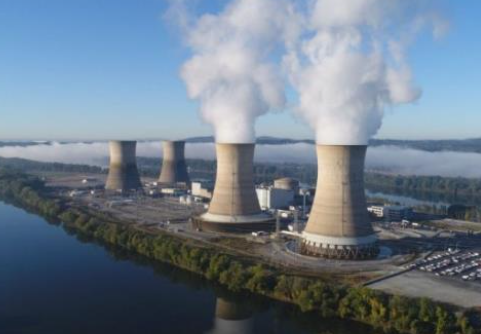
The zoning adjustment drew attention due to the potential restart of the Duane Arnold Energy Center near Palo. If the nuclear facility were to resume operations, it could provide a stable power source for energy-intensive data centers, prompting data center companies to show interest in nearby sites. The originally proposed rule change would have allowed data centers to pursue projects in coordination with the energy center before the end of the 18-month moratorium initiated by the county on July 1.
However, at the July 20 meeting of the County Planning and Zoning Commission, residents expressed concerns on multiple fronts, including potential water pressure from data centers, electricity consumption, land use changes, environmental impacts, and associated logistics. These comments indicate that the local community still has significant reservations about co-locating large data centers with nuclear facilities.
County Supervisor Brandy Meisheid stated that data centers could play an important role in advancing the restart of the Duane Arnold Energy Center, but the county must confirm whether the community supports that direction. She noted that broad public support has not yet materialized for making large data centers a permitted use co-located with the nuclear plant within the EU-2 zoning district, and therefore the Board of Supervisors decided not to move forward with the related amendments at this time.
The Linn County Board of Supervisors said it will use the 18-month moratorium period to continue studying the policy framework in order to make more informed and prudent decisions in the future. Relevant policies will focus on community needs, infrastructure capacity, and long-term land use impacts, providing clearer regulatory guidance for potential data center and energy projects.
Disclaimer: Information republished from partner media, institutions or other websites is provided for reference and communication purposes only. It does not imply endorsement of its views or verification of its accuracy. Please contact us if any content infringes rights or requires correction.