
KEPCO KPS Q2 Results Miss Expectations; Nuclear Maintenance Demand Expected to Drive Recovery in H2
 Scan to share
KEPCO KPS's Q2 results significantly missed market expectations, mainly due to factors such as extended long-term planned preventive maintenance cycles for nuclear power plants and a reduction in external and overseas variable works. Data shows that the company's preliminary Q2 sales stood at KRW 437.9 billion, down 3.5% year-on-year; operating profit was KRW 43.6 billion, down 33.6% year-on-year, approximately 30.1% below market consensus; net profit attributable to controlling shareholders was KRW 38.3 billion, down 24.8% year-on-year. The operating margin fell to 10.0%, down 4.5 percentage points from the same period last year, indicating pressure on both the revenue side and, to some extent, the cost side.
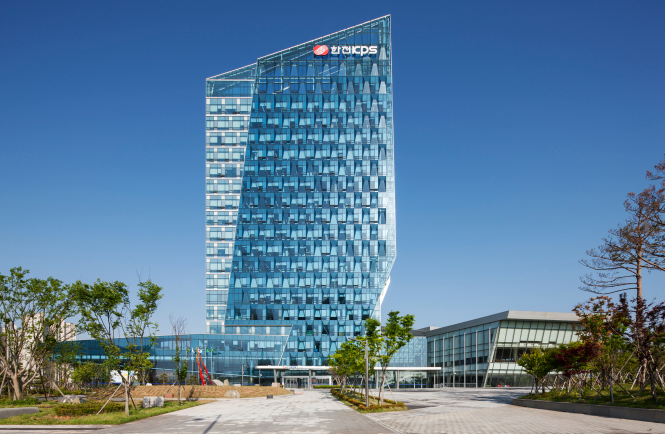
The nuclear maintenance business was one of the key factors dragging down Q2 performance. Q2 nuclear maintenance revenue stood at KRW 146.6 billion, down 2.3% year-on-year. From April to May, the average utilization rate of nuclear power units in South Korea was 73%, down 10.5 percentage points from the same period last year. Meanwhile, the long-term planned preventive maintenance period for some units awaiting approval for continued operation was extended, causing related revenue recognition to fall behind expectations. As maintenance projects have not yet been completed in a concentrated manner, the pace of revenue release was affected in the short term.
Apart from the nuclear business, the company's external and overseas businesses also declined. Due to reduced variable works performance, external revenue decreased by 44.7% year-on-year, while overseas revenue fell by 13.2% year-on-year. At the same time, as nuclear and thermal power planned preventive maintenance schedules overlapped, the company increased short-term hiring of labor personnel, driving operating expenses up 1.5% year-on-year. This resulted in profit compression amid declining revenue, with Q2 earnings performance weaker than market expectations.
Nevertheless, the market still holds expectations for KEPCO KPS's performance recovery in H2. Multiple units with extended long-term planned preventive maintenance are expected to be completed sequentially in Q3 2026, and the new Shin-Hanul Nuclear Power Plant Unit 3 is scheduled to commence operation in October, which will also expand nuclear maintenance demand. As nuclear maintenance workload increases, the company's core business revenue is expected to gradually recover. In addition, on the external business front, Pohang-related life extension projects and new orders in the new energy and hydrogen sectors may also generate incremental revenue.
KB Securities maintained a "Buy" rating on KEPCO KPS but lowered the target price by 4.3% to KRW 66,000, citing a rise in the risk-free rate that has increased the cost of equity capital. Based on the target price, the company's 12-month forward price-to-earnings ratio stands at 17.9 times and price-to-book ratio at 2.01 times, implying a 43.2% upside from the recent closing price. With the adjustment of South Korea's 12th Basic Plan for Electricity Supply and Demand, the likelihood of new nuclear power projects being incorporated into the plan has increased, providing positive factors for the company's mid-to-long-term growth.
Disclaimer: Information republished from partner media, institutions or other websites is provided for reference and communication purposes only. It does not imply endorsement of its views or verification of its accuracy. Please contact us if any content infringes rights or requires correction.