
EDF plans to add cooling towers at Golfech nuclear plant to cope with repeated shutdowns due to high temperatures
 Scan to share
French utility EDF is planning to adapt the Golfech nuclear power plant in Tarn-et-Garonne to cope with increasingly frequent heatwaves. Since June this year, the plant has been shut down multiple times due to high temperatures, with another outage in early August, highlighting the growing operational pressure on nuclear facilities that rely on river water for cooling in the context of climate change.
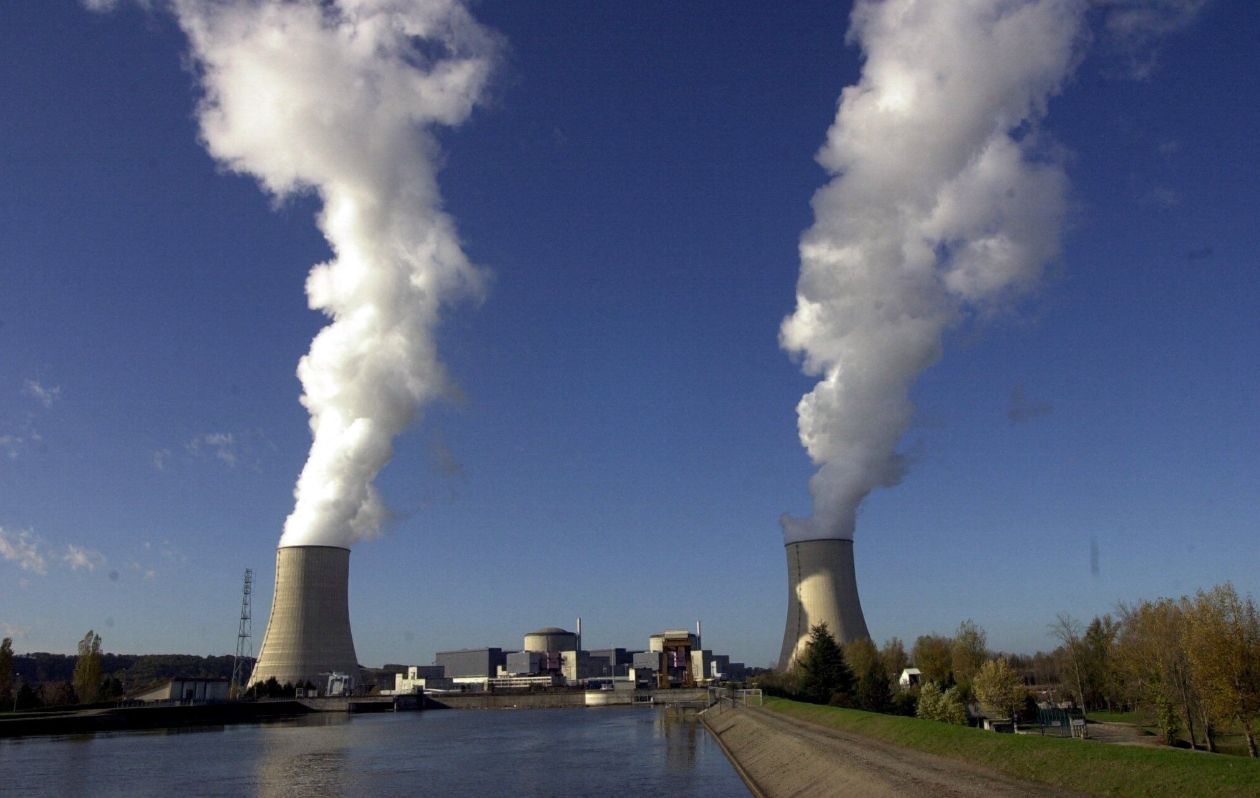
The direct cause of the Golfech shutdowns is not that the reactors themselves cannot operate, but rather that the Garonne River water temperature is too high. Under regulations dating from 2006, when the daily average water temperature of the Garonne downstream of the plant exceeds 28 degrees Celsius, EDF may reduce unit output or temporarily shut down. This restriction is primarily intended to protect the river ecosystem, preventing the warm water discharged by the plant from further raising water temperatures and threatening aquatic flora and fauna.
In response to global warming and more frequent heatwaves, EDF has announced an investment of 8.7 billion euros over 15 years to enhance the resilience of its entire generation fleet to climate change. Of this, 4.3 billion euros will be allocated to nuclear assets to strengthen their robustness under extreme conditions such as high temperatures and drought. The Golfech plant has been identified as one of the key projects likely to benefit, with EDF studying the addition of four air-cooled cooling towers.
These cooling towers can further reduce water temperature before it is discharged back into the river, with an expected cooling effect of 3 to 7 degrees Celsius. Similar technology has been in use for around 30 years at the Civaux nuclear plant in Vienne, France, where EDF reports that water discharged into the Vienne River can be 2 to 3 degrees Celsius cooler than when it was drawn. If the Golfech project goes ahead, it would be the first plant to adopt this solution under EDF's new round of climate adaptation investment.
Although heatwaves have already affected operations at some nuclear plants, their overall impact on national nuclear output remains relatively limited so far. EDF estimates that since 2010, generation losses due to heatwaves have accounted for approximately 0.3% of total output. However, a report published by the French Court of Auditors in March 2024 indicates that by 2050, the number of nuclear plant shutdowns due to high temperatures and other causes could increase to three to four times current levels, meaning that upgrading cooling systems in advance will become a key issue for the long-term stable operation of France's nuclear fleet.
Disclaimer: Information republished from partner media, institutions or other websites is provided for reference and communication purposes only. It does not imply endorsement of its views or verification of its accuracy. Please contact us if any content infringes rights or requires correction.