
India plans to build at least five domestically designed small modular reactors by 2033, and reports on nuclear power plant safety assessments
 Scan to share
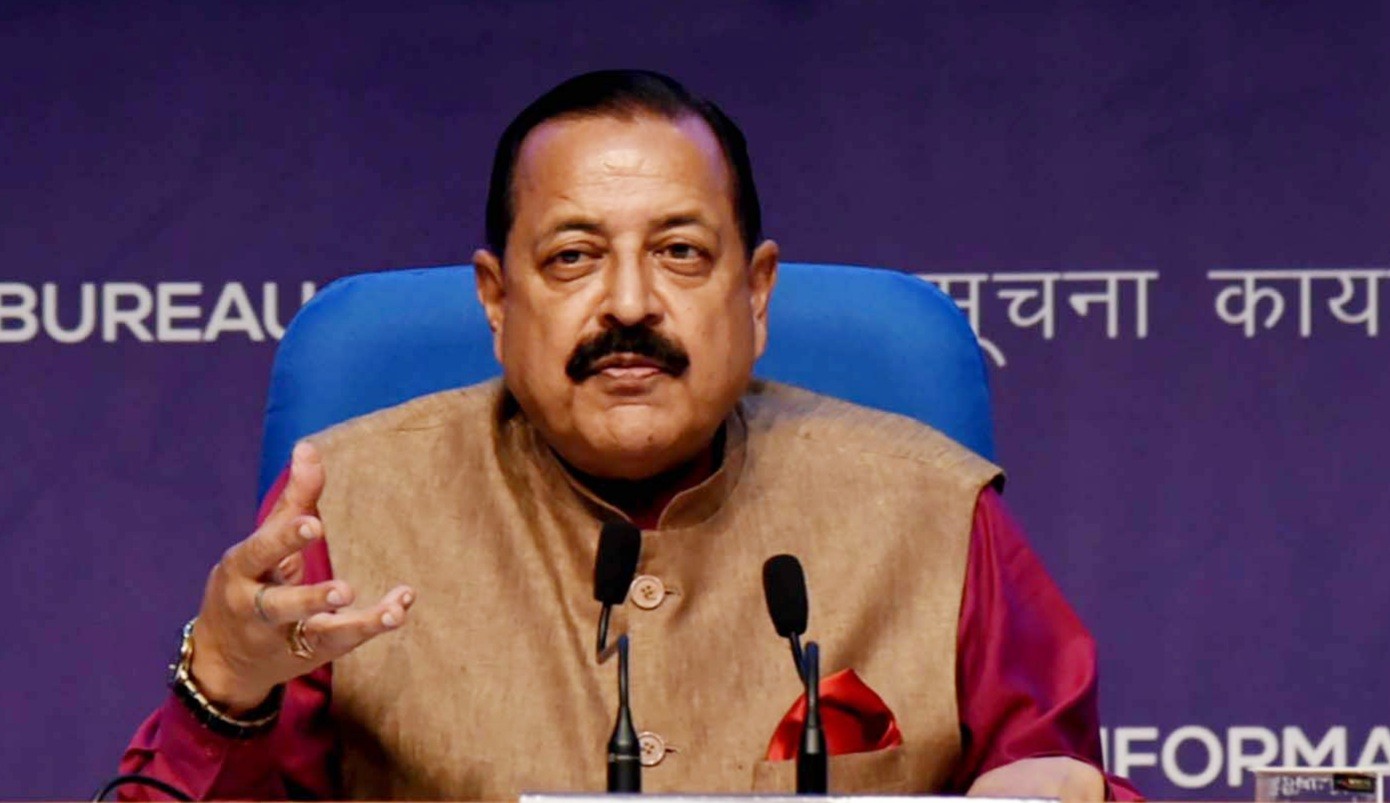
In a written reply to the Lok Sabha on August 12, Jitendra Singh, India's Minister of State for Atomic Energy, stated that a key objective of the Indian government under its nuclear energy mission is to develop and operationalize at least five domestically designed small modular reactors by 2033.
According to the briefing, the Bhabha Atomic Research Centre (BARC) is advancing the design and development of indigenous small modular reactor (SMR) technology, with projects including the 220 MWe Bharat Small Modular Reactor (BSMR-200) and the 55 MWe SMR-55 for power generation. BARC is also developing a High-Temperature Gas-Cooled Reactor (HTGCR) with a capacity of up to 5 MW, which can be coupled with suitable thermochemical cycles for hydrogen production.
Singh stated that India is strengthening its domestic nuclear energy ecosystem, with key focus areas including advanced reactor technologies, small modular reactors, enhancement of domestic manufacturing capabilities, private sector participation, and long-term utilization of the country's thorium resources. The Indian government will pursue two pathways to drive nuclear power capacity growth: on one hand, deploying large domestic reactors at new nuclear power plant sites, including 700 MWe Pressurized Heavy Water Reactors (PHWRs) and other advanced reactor designs; on the other hand, developing and deploying small modular reactors at existing facility sites, with application scenarios including repurposed retired fossil fuel power plants, captive power plants for energy-intensive industries, and off-grid energy supply for remote areas.
Singh also provided details on the work of the Indira Gandhi Centre for Atomic Research (IGCAR) in the second phase of India's nuclear power program. The centre is conducting multidisciplinary scientific research and advanced engineering development around sodium-cooled fast reactors and associated closed fuel cycle facilities. These technologies are regarded by India as an important foundation for its long-term nuclear strategy.
On the same day, the Indian federal government also informed the Lok Sabha that the Atomic Energy Regulatory Board (AERB) and external government agencies conduct regular safety assessments of all nuclear power plants, and the plants themselves also carry out internal safety evaluations. Singh stated that the results of these assessments are reviewed and monitored, with necessary upgrades implemented as required to ensure compliance.
In response to issues concerning safety audits, drone threats, cyberattacks, and sabotage risks at nuclear power plants, including the Kudankulam Nuclear Power Plant, the government stated that cybersecurity at nuclear facilities is designated as a "highest priority," and a continuous monitoring mechanism has been established. Relevant measures include access control, regular security audits, vulnerability assessments, incident response mechanisms, and capacity-building programs. The Indian Computer Emergency Response Team (CERT-In) is responsible for issuing alerts and advisories, coordinating cybersecurity incident responses, and participating in the operation of the National Cyber Coordination Centre.
Regarding physical security, Singh stated that Indian nuclear power plants are equipped with perimeter intrusion detection systems, access control systems, closed-circuit television (CCTV) monitoring systems, and X-ray baggage screening facilities. The AERB is responsible for conducting regulatory inspections covering nuclear safety.
The government also stated that all nuclear power plants, including the Kudankulam Nuclear Power Plant, have developed and implemented emergency response plans approved by the regulatory authority. Local governments, security agencies, and plant management conduct regular drills, and the plans are revised and improved based on feedback. Tabletop exercises and Integrated Command, Control and Response (ICCR) exercises are held once every two years, while mock drills are conducted in accordance with the schedule of the National Disaster Management Authority. On April 15, 2025, an ICCR exercise was held at the Kudankulam Nuclear Power Plant. The government stated that since September 2024, the latest round of ICCR exercises has also been completed at other nuclear power plant sites.
Disclaimer: Information republished from partner media, institutions or other websites is provided for reference and communication purposes only. It does not imply endorsement of its views or verification of its accuracy. Please contact us if any content infringes rights or requires correction.