
South Korea's Wolsong Nuclear Power Plant Units 2, 3, and 4 Pressure Tube Procurement Pushed for Preliminary Feasibility Study Exemption, Sparking Controversy
 Scan to share
The lifetime extension issue for South Korea's Wolsong Nuclear Power Plant Units 2, 3, and 4 has not yet been finalized, yet the procurement of "pressure tubes"—the core equipment—is being pushed to be excluded from the preliminary feasibility study, triggering a direct confrontation between industry circles and environmental groups. The Korea Hydro & Nuclear Power labor union recently submitted a proposal to Democratic Party lawmaker Song Young-gil, requesting that the government grant a preliminary feasibility study exemption for the relevant procurement and initiate ordering at the earliest opportunity. Song subsequently forwarded the opinion to the Office for Government Policy Coordination. It is understood that the government is internally considering submitting the matter as an exemption case for deliberation at the September State Council meeting.
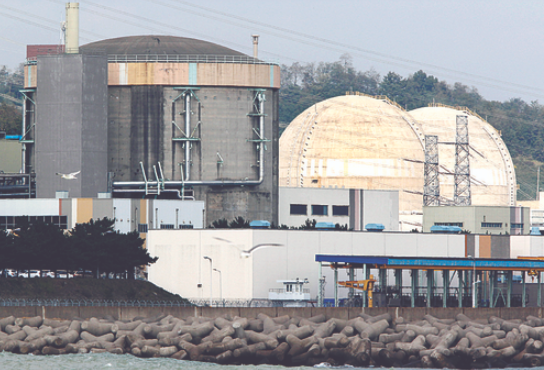
Supporters argue that Wolsong Units 2, 3, and 4 are pressurized heavy water reactors, and pressure tubes are critical equipment determining unit operation, typically requiring 3 to 4 years from order placement to manufacturing and delivery. If procurement is delayed until after the Nuclear Safety and Security Commission completes the continued operation license review, even if the units receive lifetime extension approval, they may be forced to shut down due to equipment not being in place. The labor union specifically noted that Wolsong Unit 2 is approaching the expiration of its design lifetime, and if an operational gap occurs, it could result in losses of approximately 9 billion KRW per day. They therefore argue that safety review and equipment preparation should proceed in parallel to prevent administrative procedural delays from affecting power supply and economic viability.
However, environmental groups and some nuclear experts argue that investing substantial funds in advance to procure core components while the lifetime extension conclusion has not been determined and environmental impact assessment and safety review remain incomplete could effectively undermine the independence of subsequent reviews. They worry that once equipment has been ordered, the government and industry may push for continued operation of the units on the grounds of "sunk costs," reducing environmental impact assessment and safety verification to mere formalities. This approach has been criticized as "preemptive lifetime extension" that suppresses opposing opinions through fait accompli.
The deeper focus of the controversy lies in whether aging nuclear units, if their operating lifetime is to be extended, must be re-evaluated against current, more stringent safety standards. Critics point out that if the latest safety requirements—significantly strengthened compared to the initial construction period—are fully applied and severe accident prevention measures are implemented, the cost of equipment retrofits could rise substantially, potentially altering the economic viability assessment of the lifetime extension project. Supporters, on the other hand, emphasize that advance procurement does not equate to advance approval of lifetime extension, but rather aims to prevent units from being idled due to excessively long supply chain cycles after safety permits are granted.
With the September State Council meeting potentially deliberating on the preliminary feasibility study exemption case, the dispute over the lifetime extension of Wolsong Units 2, 3, and 4 is expected to intensify further. One side emphasizes energy supply stability, equipment manufacturing lead times, and shutdown losses, while the other demands that environmental, safety, and economic assessments be completed first to prevent investment arrangements from holding the review process hostage. This case not only concerns the specific implementation of South Korea's nuclear lifetime extension policy but will also serve as an important test of how the government balances energy security, fiscal review, and public trust.
Disclaimer: Information republished from partner media, institutions or other websites is provided for reference and communication purposes only. It does not imply endorsement of its views or verification of its accuracy. Please contact us if any content infringes rights or requires correction.