
Iran Restarts Cyclotron to Boost Supply of Radiopharmaceuticals for Cancer Diagnosis and Treatment
 Scan to share
Iranian nuclear industry experts have recently resumed operation of a cyclotron used in nuclear medicine, which can produce radioisotopes needed for cancer diagnosis and treatment. According to plans, by the end of Iran's Seventh Development Plan, i.e., March 2029, Iran will have seven such centers to expand domestic supply capacity for medical radioisotopes.
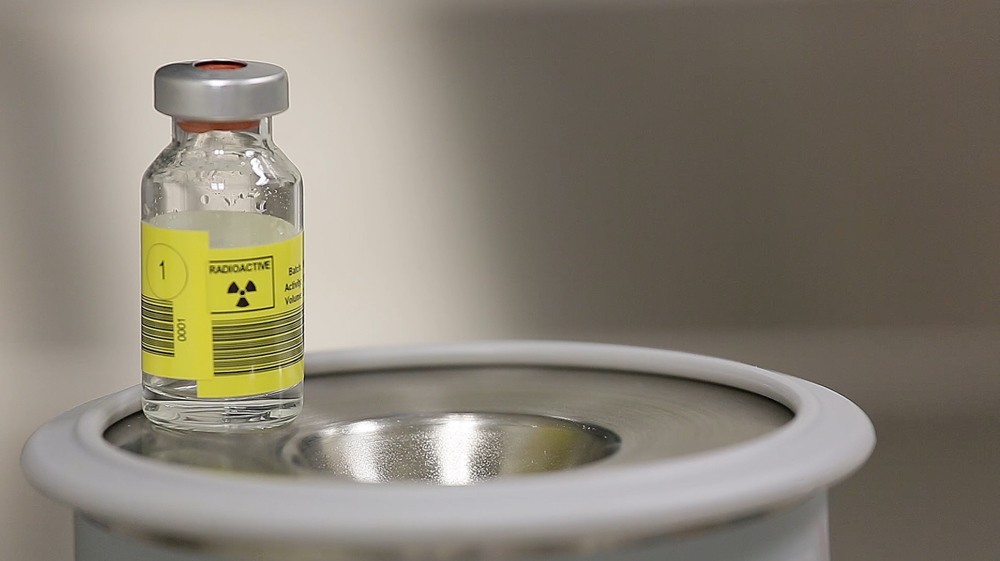
A cyclotron is a type of particle accelerator that can be used to produce nuclear medicine radioisotopes and further prepare radiopharmaceuticals. These drugs can be used for the detection, diagnosis, and monitoring of malignant tumors. Data shows that related products produced domestically in Iran include FDG and F-PSMA, primarily serving nuclear medicine diagnosis and treatment for various cancers.
According to reports, this cyclotron had been out of operation for approximately 16 years due to issues such as technical problems and the supply of equipment components. After Iranian nuclear industry experts took over, the equipment was brought back into operation by restoring the system using domestically manufactured components. Nuclear medicine expert Amin Mokhtari stated that some key components were unavailable, so the relevant team manufactured replacement parts themselves and restored the equipment to operation within two months. Currently, products produced by this equipment have been used in patient diagnosis and treatment.
Mohammad Eslami, head of the Atomic Energy Organization of Iran, stated that after the cyclotron resumed operation, it has remained in continuous working condition, continuing to produce radiopharmaceuticals and serve patients. The facility currently produces approximately 1,200 doses of radiopharmaceuticals per month and has become part of Iran's nuclear medicine infrastructure and cancer treatment system.
Eslami also stated that the cost of domestically produced radiopharmaceuticals in Iran is approximately one-tenth that of similar imported products, helping to reduce treatment costs and enhance domestic medical supply capacity. Iran plans to expand its cyclotron network to seven centers by March 2029 to increase domestic production of medical radioisotopes and reduce dependence on imported products.
In expanding nuclear medicine capabilities, Iran is also preparing to launch its self-developed alpha-particle radiopharmaceutical AlphaZa for treating advanced cancers that are resistant to conventional therapies. Eslami stated that this drug is expected to enter the market in the near future. Meanwhile, Iran currently has 20 new radiopharmaceuticals in the research and development stage, which are expected to enter production within the current Iranian calendar year.
Disclaimer: Information republished from partner media, institutions or other websites is provided for reference and communication purposes only. It does not imply endorsement of its views or verification of its accuracy. Please contact us if any content infringes rights or requires correction.