
Search Results
Keyword:radioisotope
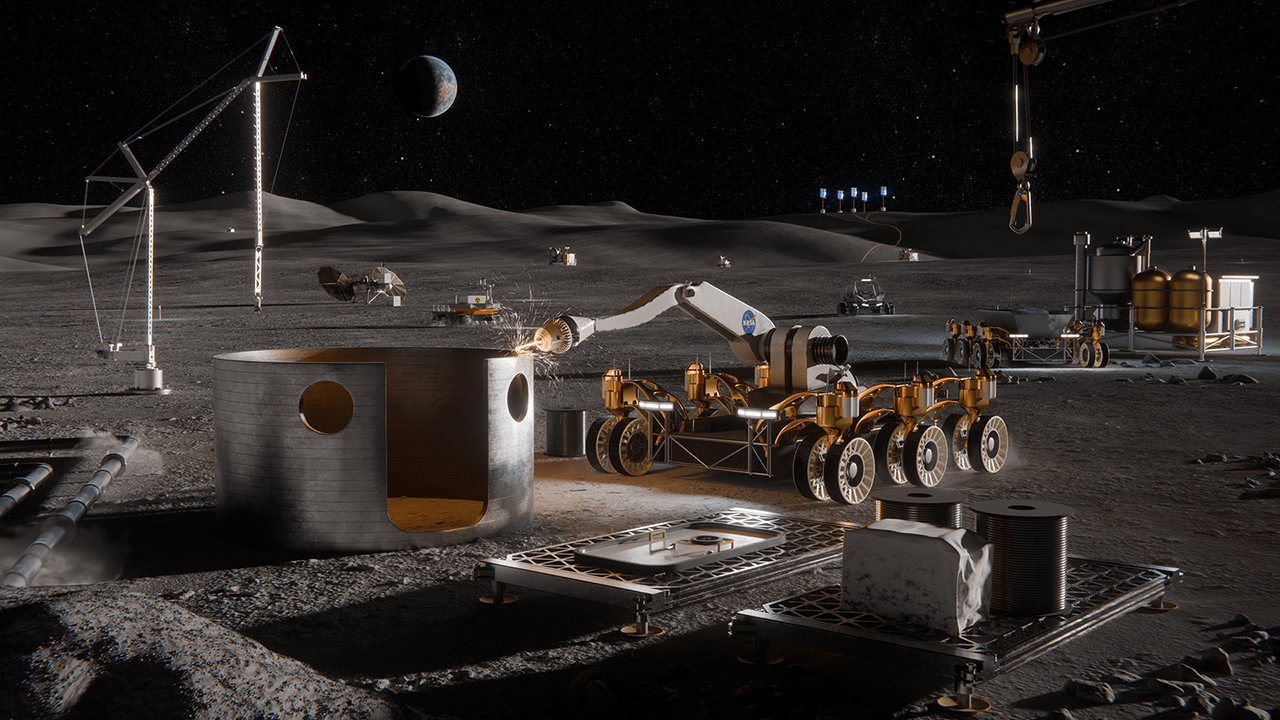
NASA Seeks Proposals for Radioisotope Power and Other Technologies for Lunar Missions
On September 8, 2026, the National Aeronautics and Space Administration (NASA) issued a solicitation seeking proposals for critical technologies and infrastructure for lunar exploration, with near-term focus on supporting the construction of a lunar base in the lunar south pole region. This solicitation is included under Appendix A of the NextSTEP-3 Broad Agency Announcement, the Lunar Enabling Infrastructure Accelerator framework, and covers five technology areas: vertical solar arrays, lunar regolith oxygen extraction, radioisotope power, advanced space manufacturing, and innovative nanomaterial production. NASA stated that these capabilities will be used to address the power generation, resource utilization, materials...
2026-09-13

Canada Supports IAEA "Rays of Hope" Initiative for the First Time, Will Provide Medical Isotope Training for Latin America
The Canadian Nuclear Isotope Council (CNIC) announced on September 10 that Canada has for the first time formally provided support to the International Atomic Energy Agency (IAEA) Rays of Hope initiative, and will help enhance cancer diagnosis and treatment capacity in Latin America through training in the production of medical radioisotopes and radiopharmaceuticals. The Rays of Hope initiative aims to expand access to cancer treatment and radiotherapy infrastructure in low- and middle-income countries. Under the arrangement, from November 8 to 14, 26 relevant sector leaders from Argentina, Brazil, Chile and Mexico will travel to Ontario, Canada, to participate in a training program jointly organized by Bruce Power and McMaster University. The training will focus on medical isotopes...
2026-09-11
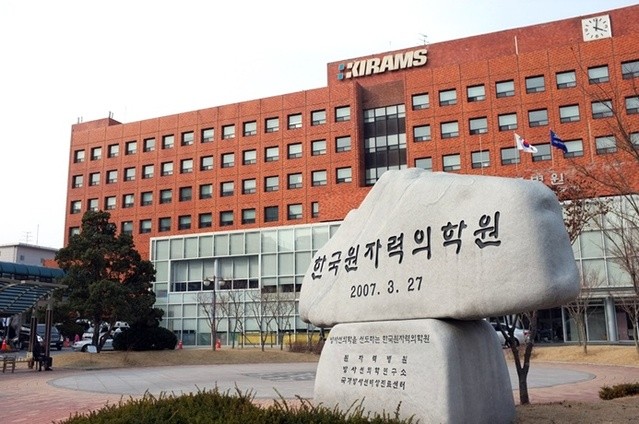
South Korea Clarifies Statutory Functions of KAERI Radiation Injury Treatment Hospital
The Korea Atomic Energy Research Institute (KAERI) announced on August 24 that the National Assembly had passed a partial amendment to the Act on the Promotion of Radiation and Radioisotope Utilization at its plenary session on August 20, incorporating the functions of a radiation injury treatment hospital, along with supporting research and technology development, into the institute's statutory scope of business. Under the amendment, relevant institutions will provide specialized medical services to individuals who have sustained radiation injuries or are at risk of such injuries. Radiation injury generally refers to health abnormalities in the human body resulting from excessive exposure to radiation. Such injuries may not manifest immediately after exposure; even when early symptoms appear only as skin redness, they can later progress to ulceration, necrosis, and affect the blood or bone marrow systems. Some individuals also require long-term follow-up to monitor for delayed health risks such as cancer.
2026-08-24
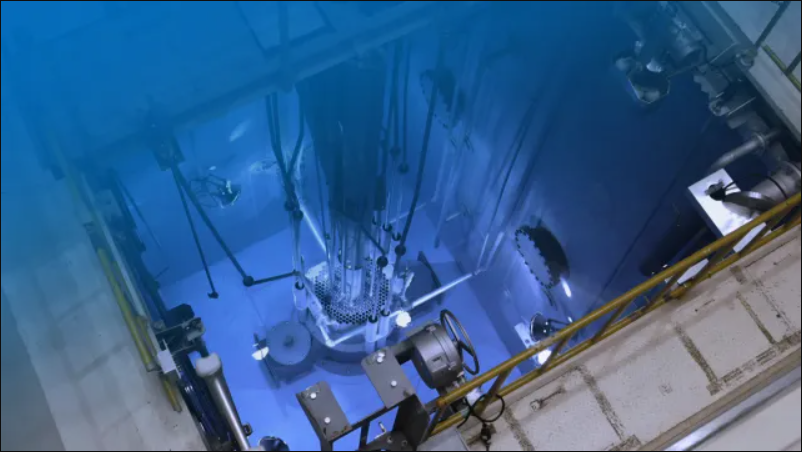
Research reactors provide critical support for global medical, scientific, and industrial innovation
The International Atomic Energy Agency recently reported that research reactors continue to play a vital role in medical, scientific, industrial innovation, and nuclear workforce development, serving as key infrastructure for many countries to build their nuclear science and technology capabilities. Currently, 228 research reactors are in operation across 54 countries worldwide, with another 23 under construction or in the planning stage. Unlike nuclear power reactors used for electricity generation, research reactors primarily produce neutrons for applications in medicine, industry, agriculture, geological sciences, forensics, and other fields. With capabilities such as neutron irradiation, neutron imaging, elemental analysis, and radioisotope production, research reactors have become important platforms for advancing peaceful nuclear technology applications. In the medical field, research...
2026-08-23
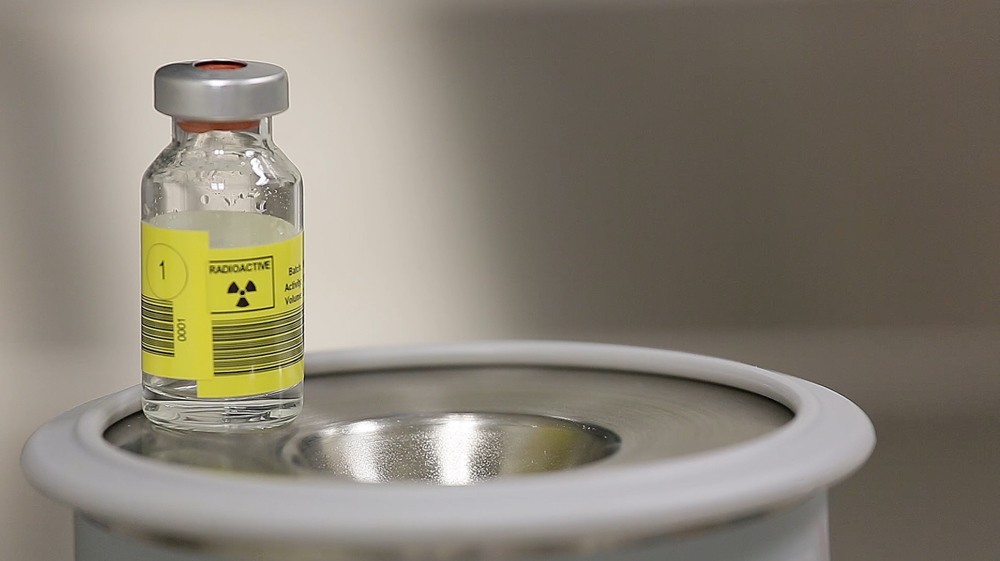
Iran Restarts Cyclotron to Boost Supply of Radiopharmaceuticals for Cancer Diagnosis and Treatment
Iranian nuclear industry experts have recently resumed operation of a cyclotron used in nuclear medicine, which can produce radioisotopes needed for cancer diagnosis and treatment. According to plans, by the end of Iran's Seventh Development Plan, i.e., March 2029, Iran will have seven such centers to expand domestic supply capacity for medical radioisotopes. A cyclotron is a type of particle accelerator that can be used to produce nuclear medicine radioisotopes and further prepare radiopharmaceuticals. These drugs can be used for the detection, diagnosis, and monitoring of malignant tumors. Data shows that related products produced domestically in Iran include FDG and F-PSMA, primarily serving nuclear medicine diagnosis and treatment for various cancers...
2026-08-21
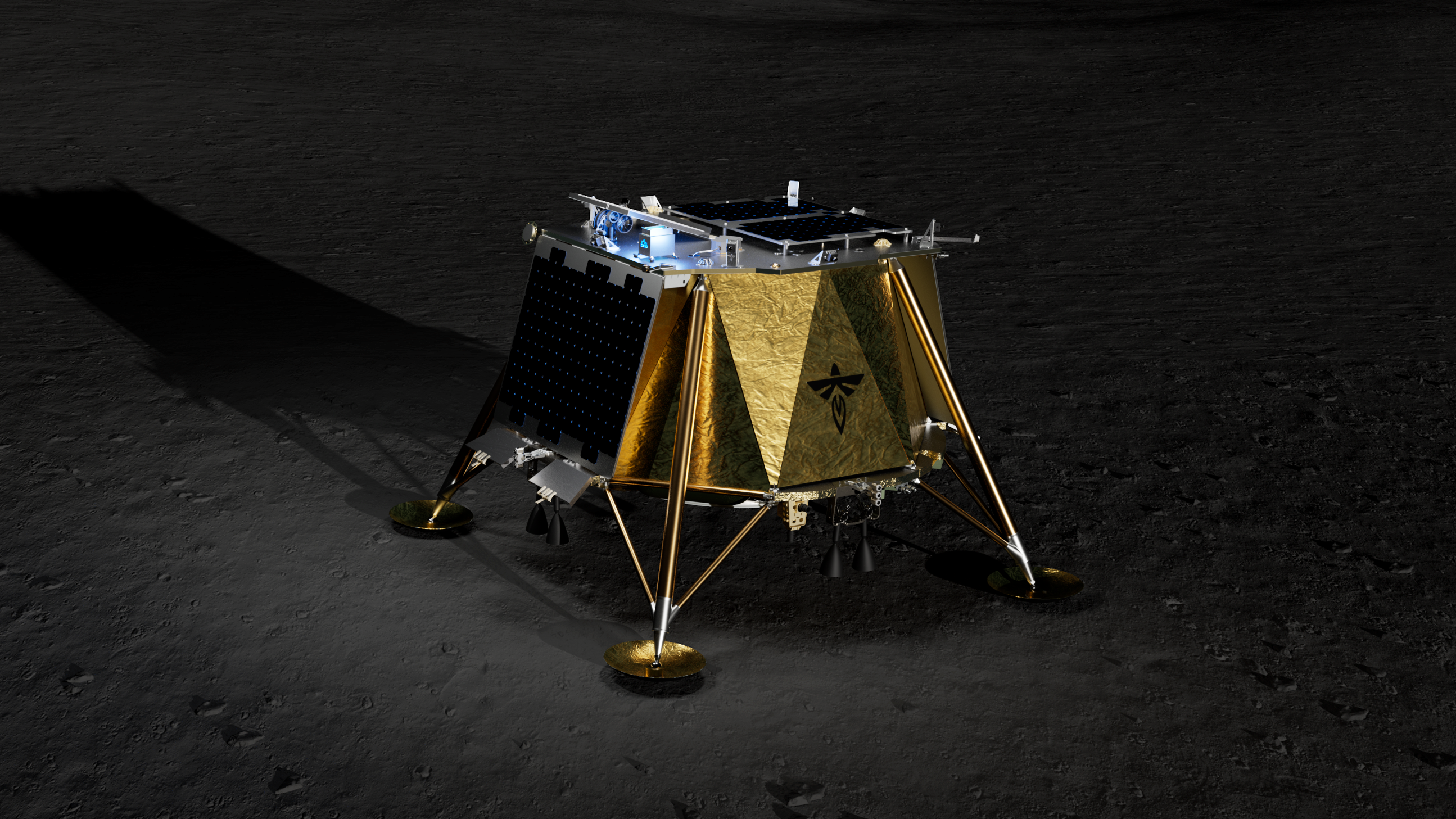
Firefly Aerospace to Fly Zeno Power Radioisotope Heater to Validate Lunar Night Survival Capability
Firefly Aerospace announced on August 19 that it has reached a commercial payload agreement with Zeno Power Systems to carry Zeno's Lunar Night Survival Package and radioisotope heater unit on a Blue Ghost lunar lander mission. The mission is scheduled to launch no earlier than 2028 and aims to verify whether the relevant nuclear power technologies can help spacecraft, lunar infrastructure, and future lunar base systems continue operating through the long, extremely cold lunar night environment. *Rendering of Firefly's Blue Ghost lunar lander with Zeno Power's Lunar Night Survival Package on its top deck. Under the plan, Zeno's payload will travel with Blue Ghost to the lunar nearside...
2026-08-20

US Oak Ridge National Laboratory Advances Radioisotope Nuclear Battery Development
On August 17, 2026, the US Department of Energy's Oak Ridge National Laboratory stated that its nuclear battery program is advancing the development of radioisotope power systems to meet the demand for stable, long-life power sources in deep space exploration, long-term power supply in remote areas, and national security-related scenarios. NASA's Perseverance Mars rover poses with several of the 10 sample tubes it placed in a sample depot it established in a region of Jezero Crater called "Three Forks." The rover's radioisotope thermoelectric generator is powered by a nuclear battery. Image credit: NASA/JPL-Caltech/MSSS. Nuclear batteries generate electricity from the energy released by the decay of radioisotopes, making them suitable for environments such as the seafloor, remote deserts, and extraterrestrial surfaces where maintenance is difficult and continuous power supply is needed for years or even decades.
2026-08-19
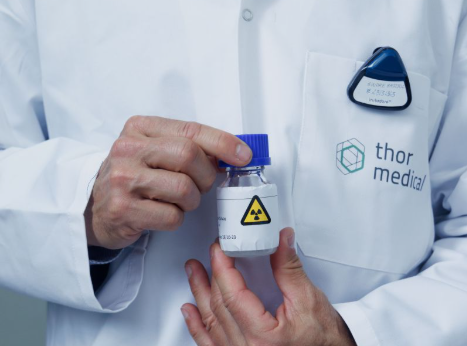
Norway's Thor Medical AlphaOne High-Purity Alpha Radioisotope Facility to Be Officially Inaugurated
Thor Medical ASA announced on August 19 that its AlphaOne production facility at the Herøya industrial park in Norway will be officially inaugurated on September 9, 2026, with Norwegian Prime Minister Jonas Gahr Støre attending the ceremony. According to reports, AlphaOne is Thor Medical's first industrial-scale production facility for high-purity α radioisotopes and the first of its kind globally. The facility is already in operation, primarily producing isotope products for next-generation targeted cancer therapies, supplying high-purity α emitters to the radiopharmaceutical industry. Thor Medical CEO Jasper Kurth stated that AlphaOn...
2026-08-19
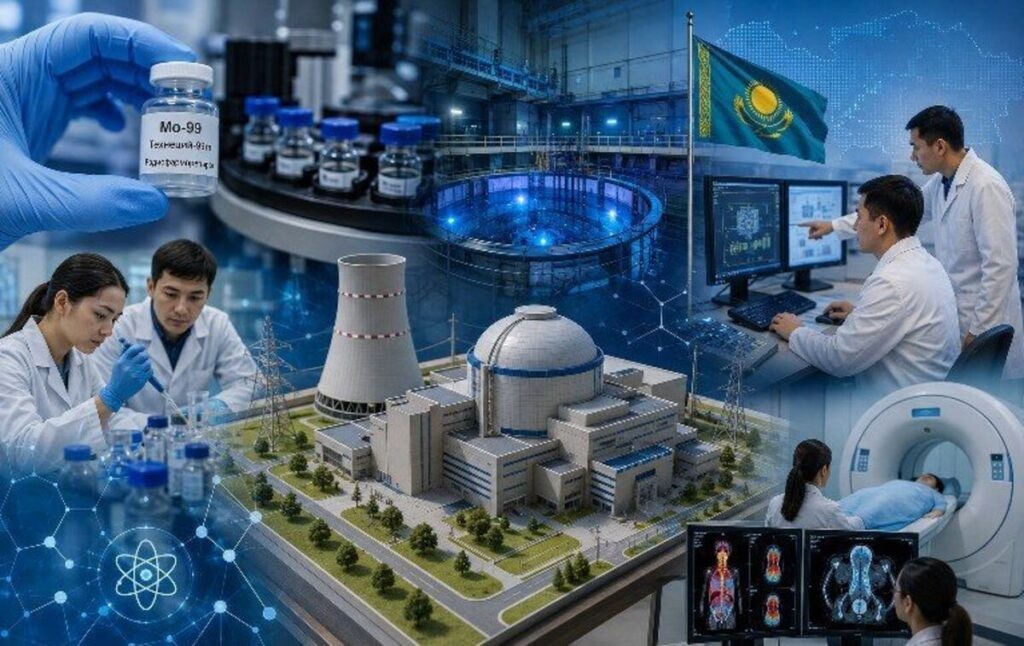
Kazakhstan's Institute of Nuclear Physics Plans to Expand Medical Radioisotope Production and Export
The Institute of Nuclear Physics (INP) of Kazakhstan is progressively expanding the applications of radioisotopes and radiation technologies, with related products already used in cancer diagnosis and treatment, industrial production, and scientific research. Institute Director Sayabek Sakhiyev stated that radioisotope and radiopharmaceutical production is one of the institute's key applied activities, covering the full chain from scientific research and research reactor operation to radiochemical technology development and medical applications. Currently, INP produces three main categories of radiopharmaceuticals: sodium iodide I-131 for thyroid disease treatment, Mo-99/Tc-99m related products for radionuclide diagnostics, and...
2026-08-18

Libya Plans to Restore Tajoura Research Reactor for Medical Isotope Production
The Libyan Atomic Energy Establishment recently proposed a plan to restore and restart the Tajoura nuclear research reactor for the production of medical radioisotopes. The establishment stated that this initiative aims to support the diagnosis and treatment of diseases and tumors, while reducing dependence on imports of relevant isotopes. Radioisotopes are essential materials in nuclear medicine, serving as tracers in medical imaging to help track organ function and detect certain diseases and tumors; some isotopes are also used in radiotherapy targeting specific tissues. According to the Libyan Atomic Energy Establishment, the Tajoura reactor has a rated thermal power of 10 megawatts and holds potential for producing various medical isotopes, including...
2026-08-18
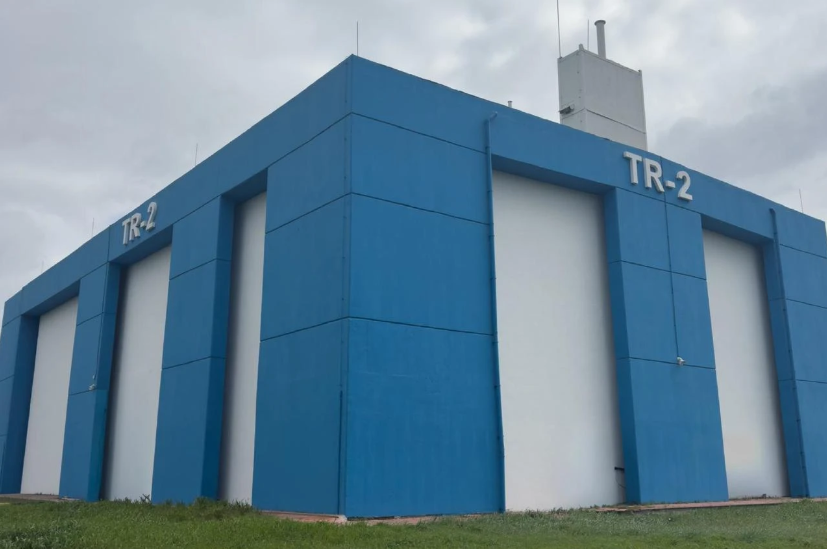
Turkey's TR-2 Research Reactor Receives Operating License
The Turkish Nuclear Regulatory Authority has issued an operating license for the TR-2 research reactor at the Istanbul campus of the Nuclear Energy Institute under the Turkish Energy, Nuclear and Mineral Research Agency (TENMAK). The license was issued pursuant to the Authority's Decision No. 2026-34/3 dated August 6, 2026. Following the review and evaluation of TENMAK's application documents, the Turkish Nuclear Regulatory Authority authorized the agency to carry out the activities required for the transition of the TR-2 research reactor from its current status to the operational phase. TR-2 is located at the Istanbul campus of TENMAK's Nuclear Energy Institute, with an approved thermal power of 5 megawatts. The facility is a research reactor and is not a nuclear facility primarily intended for power generation. According to...
2026-08-17

U.S. Company Proposes Americium-241 Radioisotope Heating Solution for Spacesuits, Receives Early NASA Research Support
U.S.-based Zeno Power Systems has proposed a radioisotope heating concept for lunar extravehicular activities, planning to use Americium-241 (Am-241) to provide continuous passive warmth for astronauts during lunar nights and in permanently shadowed regions. The proposal has been selected for this year's NASA Innovative Advanced Concepts (NIAC) program, with the potential to receive up to $175,000 in early-stage research funding. The lunar surface environment is one of the key challenges for long-duration crewed missions. Data shows that lunar nights can last approximately two weeks, and extreme low temperatures will limit the duration of astronaut extravehicular activities in shadowed areas and at night. Even with new-generation spacesuits, their cold resistance remains limited...
2026-08-13
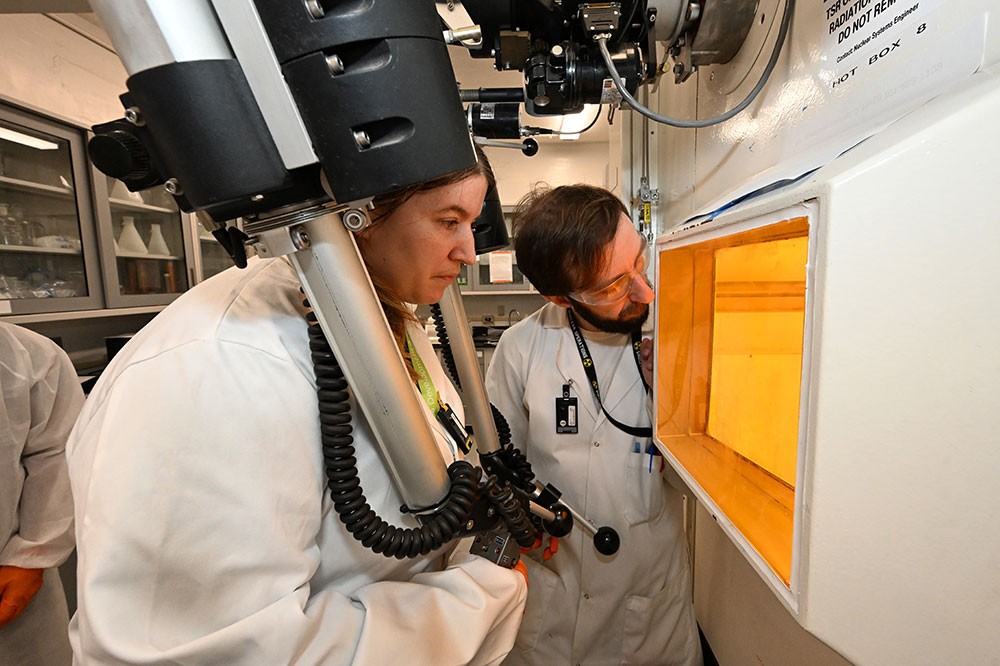
Brookhaven National Laboratory Pilots Training Program for Nuclear Technology and Radiochemistry Talent
The U.S. Department of Energy's Brookhaven National Laboratory and Suffolk County Community College (SUNY Suffolk) recently completed a pilot program to train talent in nuclear technology and radiochemistry. Eleven students and recent graduates completed one semester of coursework and three weeks of intensive laboratory training, becoming the first cohort to complete the Nuclear Technology and Radiochemistry Technician Pathway (NTRTP) program. SUNY Suffolk student Arin Morton (left) works under the guidance of mentor Michael Chimes at Brookhaven National Laboratory's Isotope Research and Production Division...
2026-08-11
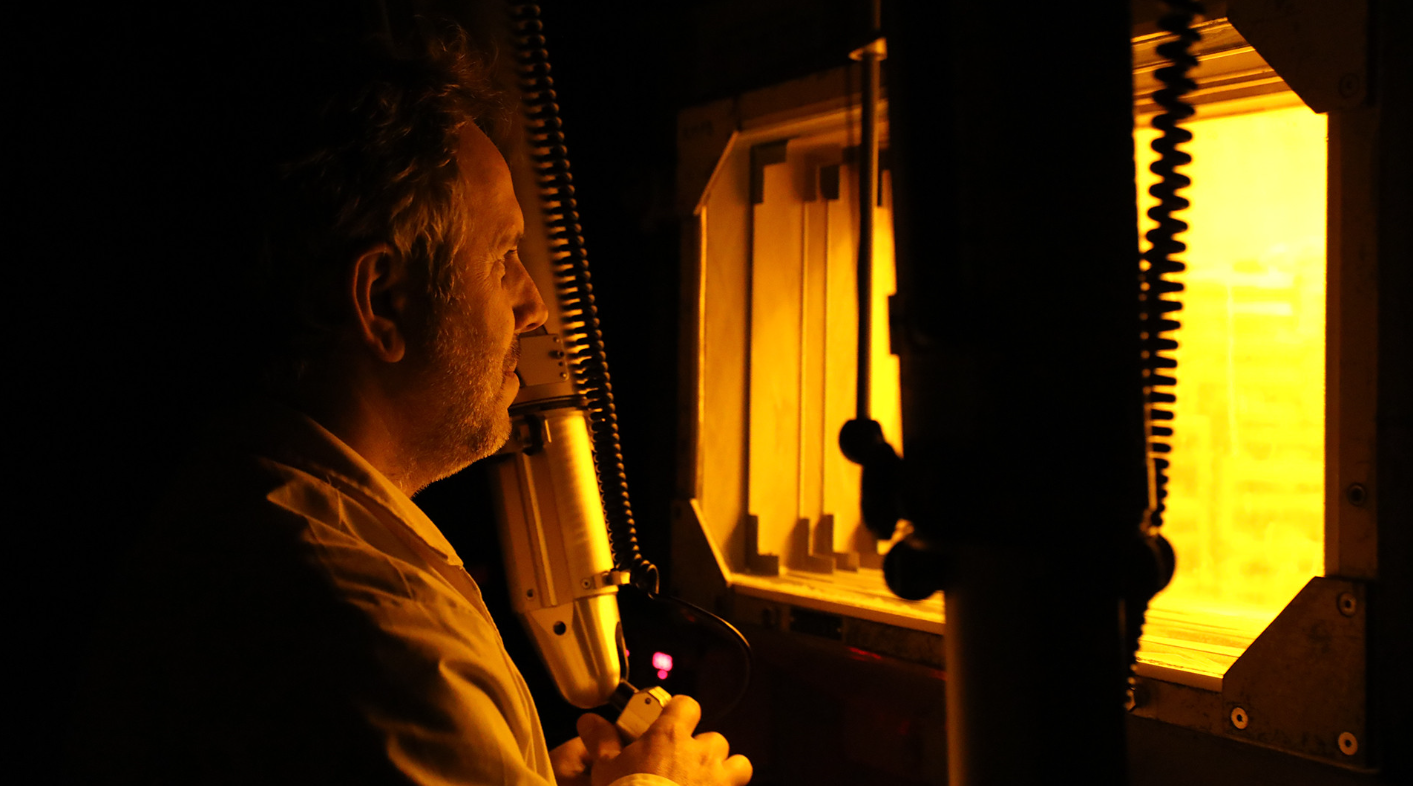
Argentine CNEA Expert Appointed Vice Chair of European Working Group on Nuclear Medicine Isotope Supply Security
The Argentine National Atomic Energy Commission (CNEA) recently announced that Daniel Sestao, an engineer and the institution's radioisotope production manager, has been appointed Vice Chair of the Supply Security Working Group of the European Association of Nuclear Medicine. CNEA, which operates under the Nuclear Affairs Secretariat of Argentina's Ministry of Economy, views this appointment as recognition of its technical capabilities in nuclear medicine and its role in international collaboration. The Supply Security Working Group is composed of international experts and focuses on the continuity and sustainability of the medical radioisotope supply chain, covering strategic isotopes such as molybdenum-99, technetium-99m, and lutetium-177. These radioisotopes are widely used in the diagnosis and treatment of tumors and complex diseases, forming a critical component of the nuclear medicine system...
2026-08-11
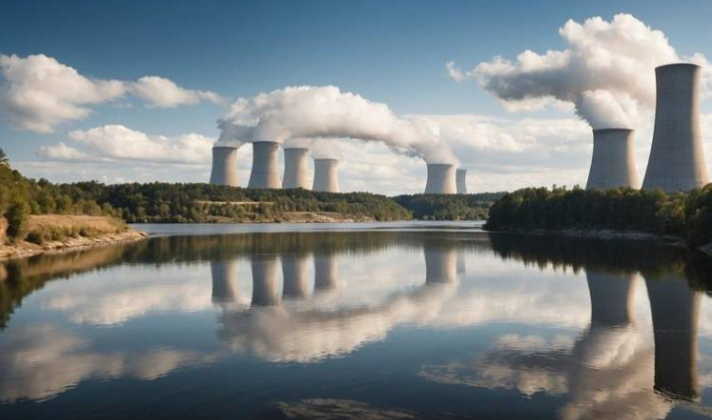
Russian Ambassador Says Willing to Transfer Civilian Nuclear Technology to Morocco, Covering Power Generation, Seawater Desalination, Nuclear Medicine, and Agriculture
New directions are emerging in Morocco-Russia economic and technical cooperation, with both sides intending to expand the scope of collaboration from traditional energy sectors to strategic industries such as civilian nuclear technology, seawater desalination, medicine, and agriculture. Russia's Ambassador to Morocco, Igor Belyaev, stated that Russia is willing to share civilian nuclear technology expertise with Morocco, a remark indicating that bilateral cooperation may extend from equipment supply and energy projects to more technology-intensive comprehensive partnerships. This development is closely linked to Morocco's current needs. In recent years, Morocco has continuously promoted the diversification of energy sources and accelerated efforts to address water scarcity, with seawater desalination having become a...
2026-08-10