
Search Results
Keyword:radioisotope
228 Research Reactors Worldwide in Operation, Supporting Medical Isotope Production and Neutron Science Innovation
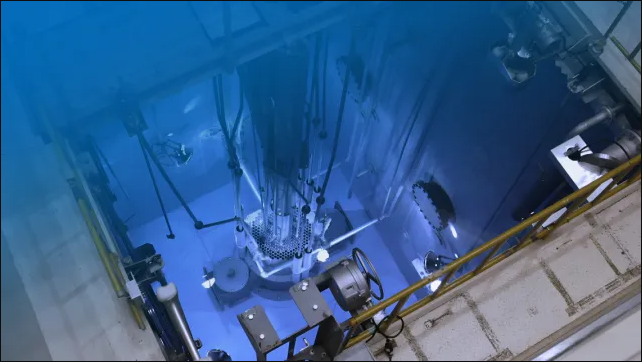
According to the International Atomic Energy Agency on August 7, research reactors continue to drive innovation in science, medicine, and industry worldwide. Currently, 228 research reactors are in operation across 54 countries, with another 23 under construction or in the planning stage. Unlike nuclear reactors used for power generation, these reactors primarily produce neutrons to support medical, industrial, agricultural, geological, forensic, and nuclear science research. A research reactor pool photographed from above. (Photo: IAEA) In the medical field, research reactors are a vital source of medical radioisotopes. Among them, technetium-99m is widely used for diagnosing cancer and diseases of the heart, brain, and bones; a large number of medical diagnostic and therapeutic procedures worldwide rely on this isotope. Other radioisotopes such as iodine-131 are also used in the treatment of cancer and thyroid diseases. The IAEA states that radioisotopes produced by research reactors serve millions of patients globally and are an essential component of modern nuclear medicine systems.
2026-08-09
South Korea Advances First Domestic Commercial Production of Lu-177 Using Wolsong Heavy Water Reactors
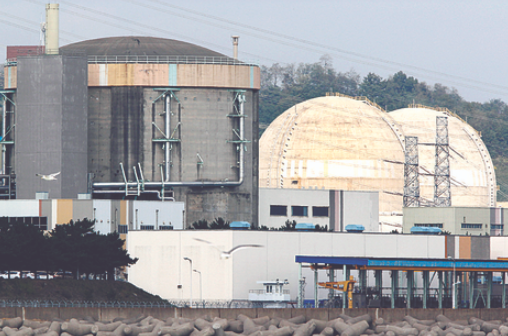
Korea Hydro & Nuclear Power (KHNP) plans to use the heavy water reactors at the Wolsong Nuclear Power Plant to produce, for the first time domestically, the radioisotope lutetium-177 (Lu-177) for cancer treatment. Currently, South Korea relies entirely on imports for this material, which imposes cost pressures and supply instability on local radiopharmaceutical companies such as Cellbion and FutureChem. Industry experts generally believe that domestic production will help build a diversified supply chain and shorten transportation times. The primary goal of this plan is to achieve commercial production of Lu-177, with pilot production expected in 2028 and full-scale production commencing in 2031. Subsequently, KHNP will expand production to include cobalt...
2026-08-06
South Korea advances plan to produce medical isotopes using nuclear power plants, with lutetium-177 targeted for commercial production in 2031
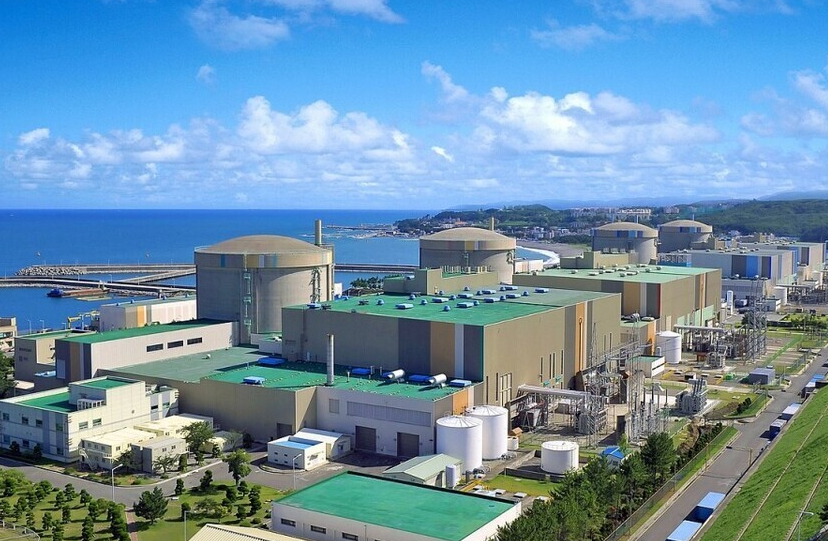
South Korea is advancing plans to industrialize the production of radioisotopes using nuclear power plants, with the medical isotope lutetium-177 (Lu-177) designated as the first commercial target product. Korea Hydro & Nuclear Power stated that it plans to prioritize the commercialization of Lu-177 production, with the potential to later expand the product range to include isotopes such as cobalt-60, tritium-3, and helium-3. Lu-177 is a therapeutic radioisotope widely used in the global radiopharmaceutical market, applicable in radiopharmaceuticals for diseases such as prostate cancer and neuroendocrine tumors. Previously, South Korea relied entirely on imports for its Lu-177 supply. Due to its half-life of approximately 6.6 days, the entire process from production and transportation to drug preparation and patient administration...
2026-08-06
US Oak Ridge National Laboratory Advances New Process to Boost Californium-252 Production
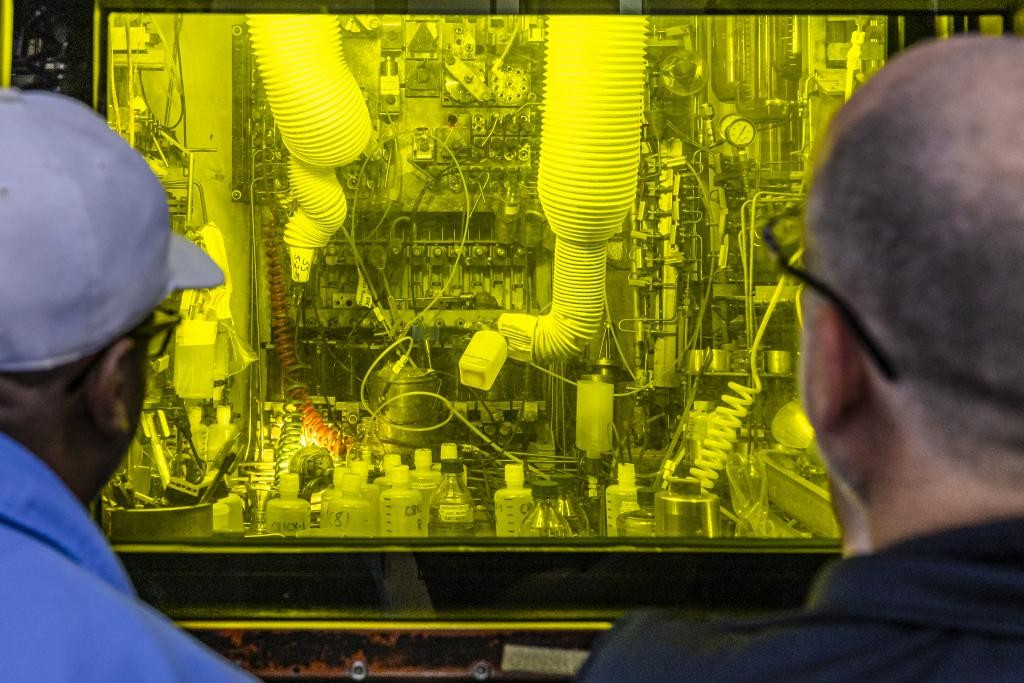
Oak Ridge National Laboratory (ORNL), under the US Department of Energy, is advancing a new Californium-252 (Cf-252) separation process to address growing market demand. The laboratory stated that this process, developed over nearly a decade of research, is expected to shorten the Cf-252 production cycle by about one week, significantly improving processing efficiency without altering product quality. Californium-252 is a neutron-emitting radioisotope used in nuclear reactor startup, fuel testing for new reactors, as well as in oil well logging, coal analysis, port security, fuel rod scanners, and instrument calibration. ORNL noted that it is the only producer of Cf-252 in the Western world...
2026-08-05
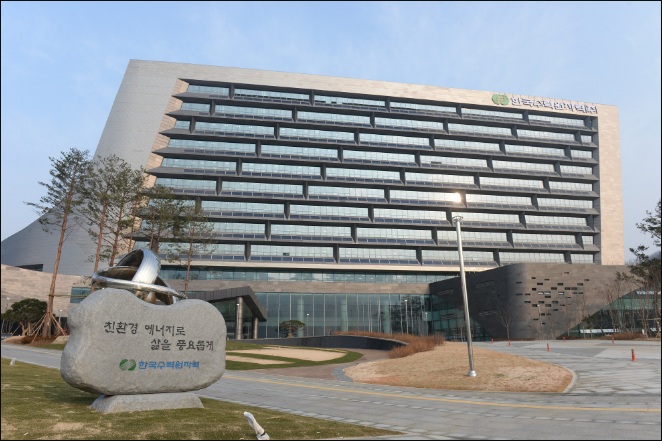
South Korea Plans to Establish Radioisotope Commercialization Company, Targeting Trial Production in 2028
According to sources inside and outside the South Korean government on July 31, Korea Hydro & Nuclear Power (KHNP) and relevant departments including the Ministry of Economy and Finance plan to discuss the establishment of a special purpose company (SPC) for radioisotope commercialization. The company is proposed to be set up as a subsidiary of KHNP, with domestic private enterprises, including pharmaceutical companies, expected to participate in investment. Under the current plan, the South Korean government will determine the specific investment structure and business plan through inter-departmental consultations this year, and strive to complete the company's establishment by 2027. Subsequently, the relevant parties will push forward facility construction to produce radioisotopes using nuclear power plants, with the goal of commencing trial production in 2028. Radioisot...
2026-08-01