
South Korea advances plan to produce medical isotopes using nuclear power plants, with lutetium-177 targeted for commercial production in 2031
 Scan to share
South Korea is advancing plans to industrialize the production of radioisotopes using nuclear power plants, with the medical isotope lutetium-177 (Lu-177) designated as the first commercial target product. Korea Hydro & Nuclear Power stated that it plans to prioritize the commercialization of Lu-177 production, with the potential to later expand the product range to include isotopes such as cobalt-60, tritium-3, and helium-3.
Lu-177 is a therapeutic radioisotope widely used in the global radiopharmaceutical market, applicable in radiopharmaceuticals for diseases such as prostate cancer and neuroendocrine tumors. Previously, South Korea relied entirely on imports for its Lu-177 supply. Due to its half-life of approximately 6.6 days, the entire process from production and transportation to drug preparation and patient administration is subject to time constraints, and the import model places pressure on supply stability, transportation efficiency, and cost control.
According to South Korea's plan, the commercialization of relevant radioisotopes will be pursued through a special purpose company. The company is expected to be established next year, with pilot production commencing in 2028 and full commercial production by 2031. At present, the total production scale, investment amount, and the list of participating companies have not been finalized. Government authorities stated that they will also evaluate other radioisotopes with commercial viability and determine subsequent candidate products and application directions based on technical feasibility and market prospects.
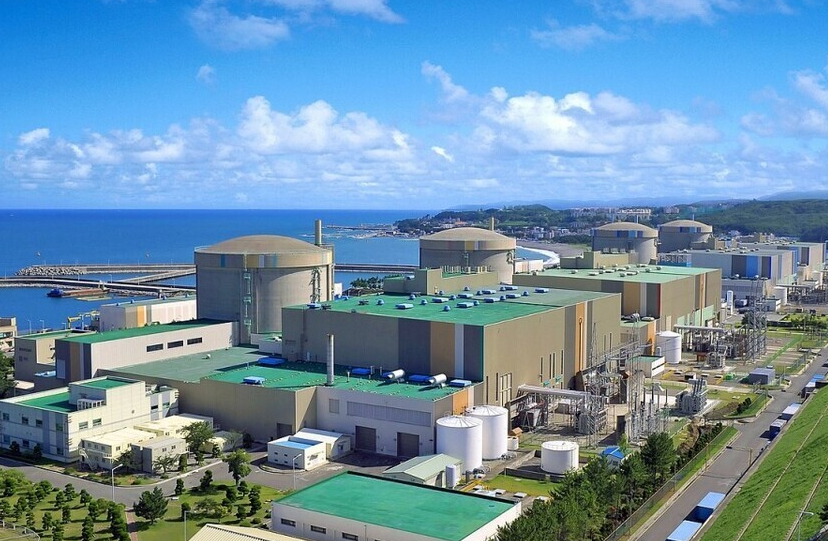
The plan leverages the heavy water reactor at the Wolsong Nuclear Power Plant. Compared with light water reactors, heavy water reactors allow for the loading and unloading of raw materials during operation, making it easier to adjust the timing and quantity of isotope production. The basic principle involves using neutrons generated by the reactor to irradiate specific elements, causing atomic transmutation to produce the target radioisotopes.
Several South Korean radiopharmaceutical companies are developing Lu-177-based prostate cancer therapeutics, with some products having entered late-stage clinical trials or applied for conditional marketing authorization. Companies believe that if Lu-177 achieves domestic commercial supply, it will help shorten transportation time, reduce radioactive decay losses, and improve supply chain diversification. However, industry insiders also point out that domestically produced Lu-177 must undergo verification in multiple areas—including quality, GMP compliance, regulatory requirements, and supply stability—before it can truly enter the pharmaceutical production system, and it may not immediately replace existing overseas supply chains in the short term.
As global demand for radiopharmaceuticals grows, competition for Lu-177 supply is intensifying. Meanwhile, the industry is also beginning to pay attention to whether South Korea will subsequently pursue actinium-225 (Ac-225). Ac-225 is regarded as one of the next-generation therapeutic radioisotopes, with early-stage research showing its potential in killing cancer cells. South Korean companies believe that Lu-177 will remain an important cornerstone of the radionuclide therapy market for the foreseeable future, while Ac-225 may offer new treatment options for certain patients.
Disclaimer: Information republished from partner media, institutions or other websites is provided for reference and communication purposes only. It does not imply endorsement of its views or verification of its accuracy. Please contact us if any content infringes rights or requires correction.