
Curium's Lutetium-177 Injection Approved by FDA for Treatment of Gastroenteropancreatic Neuroendocrine Tumors
 Scan to share
Radiopharmaceutical company Curium recently announced that its developed lutetium-177 (Lu-177) dotatate injection (trade name: Bexlutry) has received formal approval from the U.S. Food and Drug Administration (FDA).
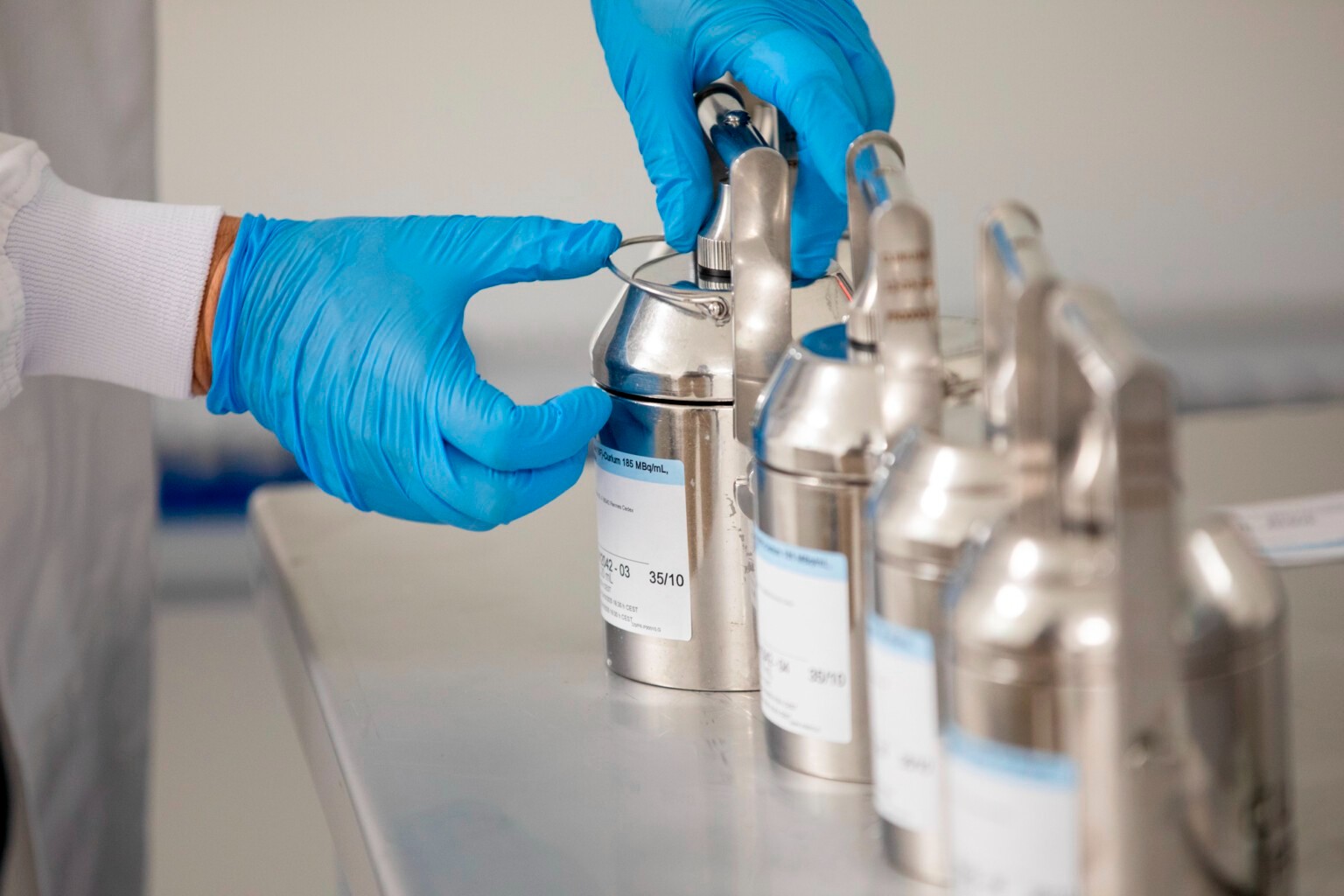
The drug is indicated for the treatment of somatostatin receptor-positive adult gastroenteropancreatic neuroendocrine tumors (GEP-NETs).
The specific indication scope includes various neuroendocrine tumors occurring in the adult foregut, midgut, and hindgut.
Bexlutry is an advanced radioligand therapy whose mechanism of action lies in its ability to specifically bind to somatostatin receptors highly expressed on the surface of such tumors.
Through this precise binding, the drug can deliver targeted radiation directly into gastroenteropancreatic neuroendocrine tumor lesions, thereby achieving precise attack on diseased cells.
The FDA approved the drug's market launch through the 505(b)(2) regulatory pathway, classifying it as a radioligand bioequivalent of the marketed nuclear drug Lutathera (lutetium-177 dotatate).
This approval decision is based on extensive published clinical evidence and bridging data, which fully confirm that Bexlutry has highly similar biological and chemical characteristics to the original drug.
According to statistics, gastroenteropancreatic neuroendocrine tumors account for as high as 60% to 70% of all neuroendocrine tumors, and the approval of this drug will provide a new treatment option for a broad patient population.
Disclaimer: Information republished from partner media, institutions or other websites is provided for reference and communication purposes only. It does not imply endorsement of its views or verification of its accuracy. Please contact us if any content infringes rights or requires correction.