
Australia's First ZAP-X Gyroscopic Radiosurgery Platform to Be Installed at St Vincent's Hospital Sydney
 Scan to share
ZAP Surgical Systems has announced that GenesisCare will become the first cancer treatment provider in Australia to introduce the ZAP-X Gyroscopic Radiosurgery® platform. The device is expected to be installed this month at GenesisCare's center at St Vincent's Hospital in Sydney, New South Wales, with the first patients anticipated to begin treatment before the end of the year.
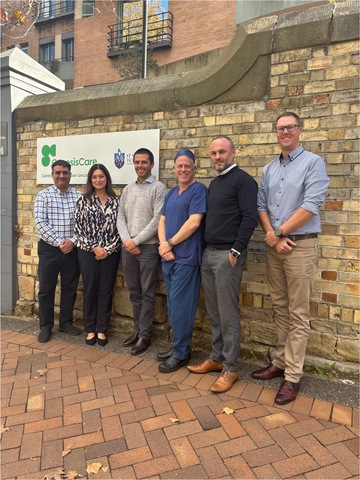
The deployment of the ZAP-X platform will enhance GenesisCare's neuro-oncology treatment capabilities in Sydney, enabling it to deliver dedicated stereotactic radiosurgery (SRS). Previously, SRS patients were primarily treated using cobalt-60 systems and multi-purpose radiotherapy linear accelerators. The ZAP-X, in contrast, is a dedicated platform designed for non-invasive intracranial radiosurgery.
Stereotactic radiosurgery is a non-invasive, painless treatment modality used for a variety of primary and metastatic brain tumors, as well as certain conditions affecting the brain, head, and neck. The treatment is often offered as an alternative to open surgery, is typically performed on an outpatient basis, and many patients can resume normal activities on the day of treatment. Sandy Sampaio, a radiation oncologist at GenesisCare, stated that the introduction of the ZAP-X will bring advanced radiosurgery technology to Australia, helping to treat patients with a highly precise, non-invasive approach while minimizing exposure to critical brain structures.
According to available information, the ZAP-X system utilizes unique gyroscopic motion technology to deliver radiosurgical beams from thousands of potential angles, precisely focusing radiation on the target area. This design aims to reduce unnecessary radiation exposure to healthy brain tissue and critical structures such as the brainstem, eyes, and optic nerves, thereby supporting clinical treatment and preserving patient quality of life.
Another notable feature of the ZAP-X is that it does not require a specially shielded treatment room. According to documentation, the system employs a modern linear accelerator and does not rely on cobalt-60 sources, thereby reducing the logistical burdens associated with isotope management. The installation of this equipment, supported by Alorium, a company specializing in the procurement of advanced medical technologies, is regarded as a step toward expanding access to advanced cranial radiosurgery services in New South Wales and the surrounding region.
Disclaimer: Information republished from partner media, institutions or other websites is provided for reference and communication purposes only. It does not imply endorsement of its views or verification of its accuracy. Please contact us if any content infringes rights or requires correction.