
South Korea Plans to Establish Radioisotope Commercialization Company, Targeting Trial Production in 2028
 Scan to share
According to sources inside and outside the South Korean government on July 31, Korea Hydro & Nuclear Power (KHNP) and relevant departments including the Ministry of Economy and Finance plan to discuss the establishment of a special purpose company (SPC) for radioisotope commercialization. The company is proposed to be set up as a subsidiary of KHNP, with domestic private enterprises, including pharmaceutical companies, expected to participate in investment.
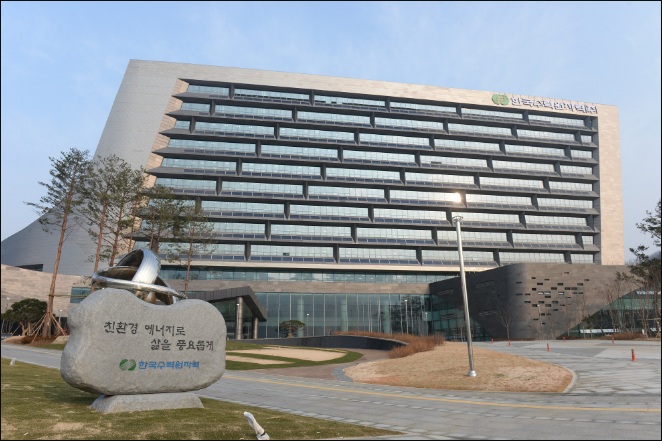
Under the current plan, the South Korean government will determine the specific investment structure and business plan through inter-departmental consultations this year, and strive to complete the company's establishment by 2027. Subsequently, the relevant parties will push forward facility construction to produce radioisotopes using nuclear power plants, with the goal of commencing trial production in 2028.
Radioisotopes are important materials in fields such as medicine, industry, and scientific research, and can be used in radiopharmaceuticals for cancer treatment, medical device sterilization, industrial non-destructive testing, cryogenic cooling, neutron detection, and nuclear fusion research. Due to the high dependence on overseas supply chains for related products, South Korea believes it is necessary to establish a stable domestic production base.
In recent years, demand for cancer diagnosis and treatment has driven rapid growth in the medical radioisotope market. Data shows that the global radiopharmaceutical market is expected to grow from $3.43 billion this year to $14.7 billion by 2034, with an average annual growth rate of 19.9%. Among these, lutetium-177 is a typical medical radioisotope and an important raw material for targeted radiopharmaceuticals, helping drugs selectively locate cancer cells and release radiation for the treatment of cancers such as prostate cancer.
In terms of production routes, South Korea is expected to utilize the heavy water reactor at the Wolsong Nuclear Power Plant. Heavy water reactors allow materials to be added to or removed from the core during plant operation, which is conducive to controlling radiation dose and production time.
The South Korean government hopes to meet domestic radioisotope demand through the new company and promote the development of the related industry into an export-oriented one. KHNP has already established a dedicated organization in the first half of this year to advance commercialization preparations covering technology development, licensing, and other tasks. The Ministry of Climate Change also launched the "Public-Private Partnership for Radiation Utilization Industrialization (PRRI)" on the 7th of this month, with KHNP and related medical and research institutions participating.
Disclaimer: Information republished from partner media, institutions or other websites is provided for reference and communication purposes only. It does not imply endorsement of its views or verification of its accuracy. Please contact us if any content infringes rights or requires correction.