
Search Results
Keyword:radioisotopes

Canada Supports IAEA "Rays of Hope" Initiative for the First Time, Will Provide Medical Isotope Training for Latin America
The Canadian Nuclear Isotope Council (CNIC) announced on September 10 that Canada has for the first time formally provided support to the International Atomic Energy Agency (IAEA) Rays of Hope initiative, and will help enhance cancer diagnosis and treatment capacity in Latin America through training in the production of medical radioisotopes and radiopharmaceuticals. The Rays of Hope initiative aims to expand access to cancer treatment and radiotherapy infrastructure in low- and middle-income countries. Under the arrangement, from November 8 to 14, 26 relevant sector leaders from Argentina, Brazil, Chile and Mexico will travel to Ontario, Canada, to participate in a training program jointly organized by Bruce Power and McMaster University. The training will focus on medical isotopes...
2026-09-11
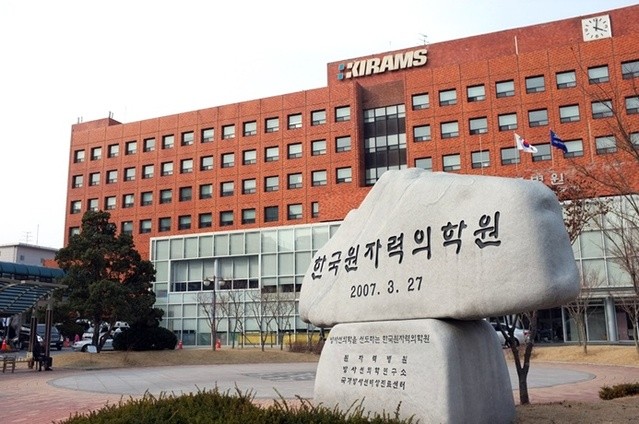
South Korea Clarifies Statutory Functions of KAERI Radiation Injury Treatment Hospital
The Korea Atomic Energy Research Institute (KAERI) announced on August 24 that the National Assembly had passed a partial amendment to the Act on the Promotion of Radiation and Radioisotope Utilization at its plenary session on August 20, incorporating the functions of a radiation injury treatment hospital, along with supporting research and technology development, into the institute's statutory scope of business. Under the amendment, relevant institutions will provide specialized medical services to individuals who have sustained radiation injuries or are at risk of such injuries. Radiation injury generally refers to health abnormalities in the human body resulting from excessive exposure to radiation. Such injuries may not manifest immediately after exposure; even when early symptoms appear only as skin redness, they can later progress to ulceration, necrosis, and affect the blood or bone marrow systems. Some individuals also require long-term follow-up to monitor for delayed health risks such as cancer.
2026-08-24
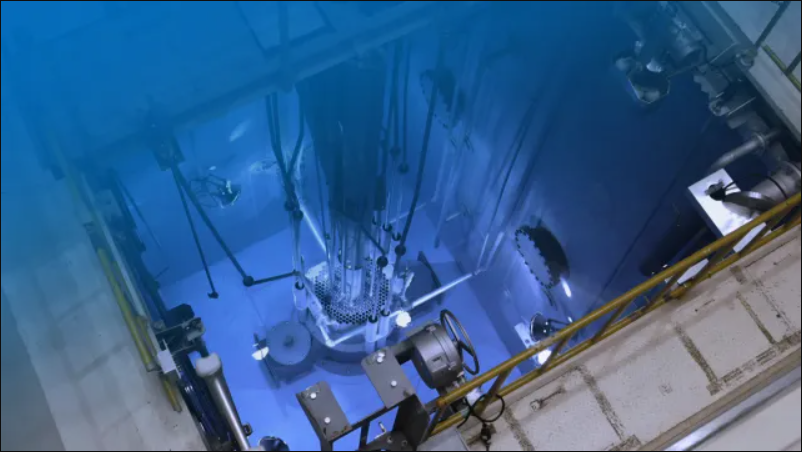
Research reactors provide critical support for global medical, scientific, and industrial innovation
The International Atomic Energy Agency recently reported that research reactors continue to play a vital role in medical, scientific, industrial innovation, and nuclear workforce development, serving as key infrastructure for many countries to build their nuclear science and technology capabilities. Currently, 228 research reactors are in operation across 54 countries worldwide, with another 23 under construction or in the planning stage. Unlike nuclear power reactors used for electricity generation, research reactors primarily produce neutrons for applications in medicine, industry, agriculture, geological sciences, forensics, and other fields. With capabilities such as neutron irradiation, neutron imaging, elemental analysis, and radioisotope production, research reactors have become important platforms for advancing peaceful nuclear technology applications. In the medical field, research...
2026-08-23
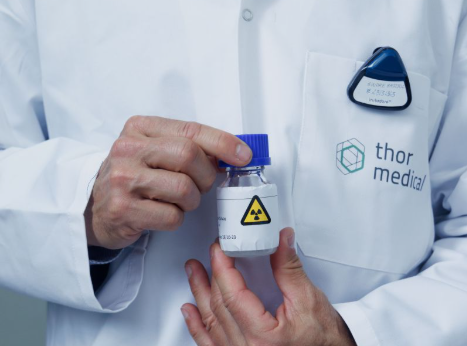
Norway's Thor Medical AlphaOne High-Purity Alpha Radioisotope Facility to Be Officially Inaugurated
Thor Medical ASA announced on August 19 that its AlphaOne production facility at the Herøya industrial park in Norway will be officially inaugurated on September 9, 2026, with Norwegian Prime Minister Jonas Gahr Støre attending the ceremony. According to reports, AlphaOne is Thor Medical's first industrial-scale production facility for high-purity α radioisotopes and the first of its kind globally. The facility is already in operation, primarily producing isotope products for next-generation targeted cancer therapies, supplying high-purity α emitters to the radiopharmaceutical industry. Thor Medical CEO Jasper Kurth stated that AlphaOn...
2026-08-19
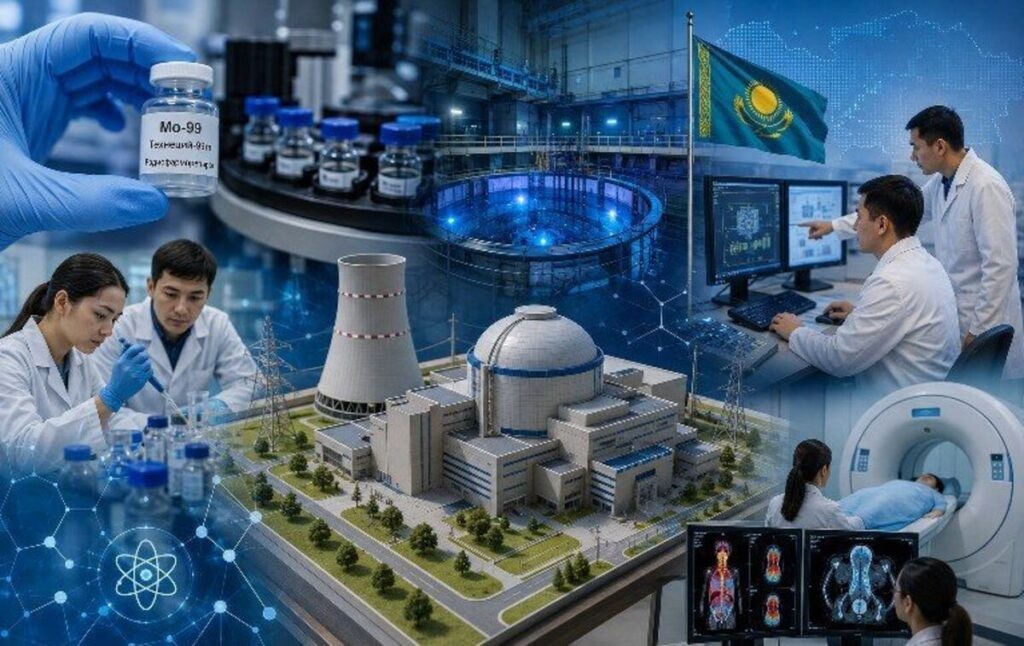
Kazakhstan's Institute of Nuclear Physics Plans to Expand Medical Radioisotope Production and Export
The Institute of Nuclear Physics (INP) of Kazakhstan is progressively expanding the applications of radioisotopes and radiation technologies, with related products already used in cancer diagnosis and treatment, industrial production, and scientific research. Institute Director Sayabek Sakhiyev stated that radioisotope and radiopharmaceutical production is one of the institute's key applied activities, covering the full chain from scientific research and research reactor operation to radiochemical technology development and medical applications. Currently, INP produces three main categories of radiopharmaceuticals: sodium iodide I-131 for thyroid disease treatment, Mo-99/Tc-99m related products for radionuclide diagnostics, and...
2026-08-18

Libya Plans to Restore Tajoura Research Reactor for Medical Isotope Production
The Libyan Atomic Energy Establishment recently proposed a plan to restore and restart the Tajoura nuclear research reactor for the production of medical radioisotopes. The establishment stated that this initiative aims to support the diagnosis and treatment of diseases and tumors, while reducing dependence on imports of relevant isotopes. Radioisotopes are essential materials in nuclear medicine, serving as tracers in medical imaging to help track organ function and detect certain diseases and tumors; some isotopes are also used in radiotherapy targeting specific tissues. According to the Libyan Atomic Energy Establishment, the Tajoura reactor has a rated thermal power of 10 megawatts and holds potential for producing various medical isotopes, including...
2026-08-18
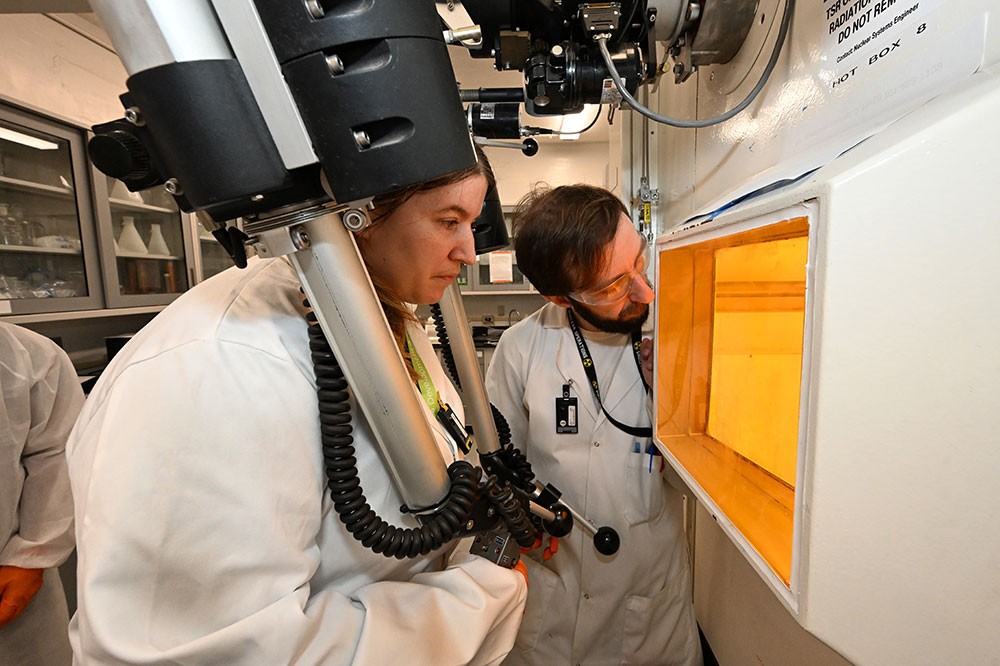
Brookhaven National Laboratory Pilots Training Program for Nuclear Technology and Radiochemistry Talent
The U.S. Department of Energy's Brookhaven National Laboratory and Suffolk County Community College (SUNY Suffolk) recently completed a pilot program to train talent in nuclear technology and radiochemistry. Eleven students and recent graduates completed one semester of coursework and three weeks of intensive laboratory training, becoming the first cohort to complete the Nuclear Technology and Radiochemistry Technician Pathway (NTRTP) program. SUNY Suffolk student Arin Morton (left) works under the guidance of mentor Michael Chimes at Brookhaven National Laboratory's Isotope Research and Production Division...
2026-08-11
Argentine CNEA Expert Appointed Vice Chair of European Working Group on Nuclear Medicine Isotope Supply Security
The Argentine National Atomic Energy Commission (CNEA) recently announced that Daniel Sestao, an engineer and the institution's radioisotope production manager, has been appointed Vice Chair of the Supply Security Working Group of the European Association of Nuclear Medicine. CNEA, which operates under the Nuclear Affairs Secretariat of Argentina's Ministry of Economy, views this appointment as recognition of its technical capabilities in nuclear medicine and its role in international collaboration. The Supply Security Working Group is composed of international experts and focuses on the continuity and sustainability of the medical radioisotope supply chain, covering strategic isotopes such as molybdenum-99, technetium-99m, and lutetium-177. These radioisotopes are widely used in the diagnosis and treatment of tumors and complex diseases, forming a critical component of the nuclear medicine system...
2026-08-11
Russian Ambassador Says Willing to Transfer Civilian Nuclear Technology to Morocco, Covering Power Generation, Seawater Desalination, Nuclear Medicine, and Agriculture
New directions are emerging in Morocco-Russia economic and technical cooperation, with both sides intending to expand the scope of collaboration from traditional energy sectors to strategic industries such as civilian nuclear technology, seawater desalination, medicine, and agriculture. Russia's Ambassador to Morocco, Igor Belyaev, stated that Russia is willing to share civilian nuclear technology expertise with Morocco, a remark indicating that bilateral cooperation may extend from equipment supply and energy projects to more technology-intensive comprehensive partnerships. This development is closely linked to Morocco's current needs. In recent years, Morocco has continuously promoted the diversification of energy sources and accelerated efforts to address water scarcity, with seawater desalination having become a...
2026-08-10
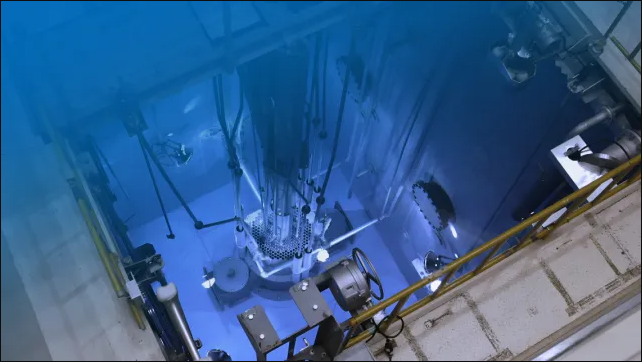
228 Research Reactors Worldwide in Operation, Supporting Medical Isotope Production and Neutron Science Innovation
According to the International Atomic Energy Agency on August 7, research reactors continue to drive innovation in science, medicine, and industry worldwide. Currently, 228 research reactors are in operation across 54 countries, with another 23 under construction or in the planning stage. Unlike nuclear reactors used for power generation, these reactors primarily produce neutrons to support medical, industrial, agricultural, geological, forensic, and nuclear science research. A research reactor pool photographed from above. (Photo: IAEA) In the medical field, research reactors are a vital source of medical radioisotopes. Among them, technetium-99m is widely used for diagnosing cancer and diseases of the heart, brain, and bones; a large number of medical diagnostic and therapeutic procedures worldwide rely on this isotope. Other radioisotopes such as iodine-131 are also used in the treatment of cancer and thyroid diseases. The IAEA states that radioisotopes produced by research reactors serve millions of patients globally and are an essential component of modern nuclear medicine systems.
2026-08-09
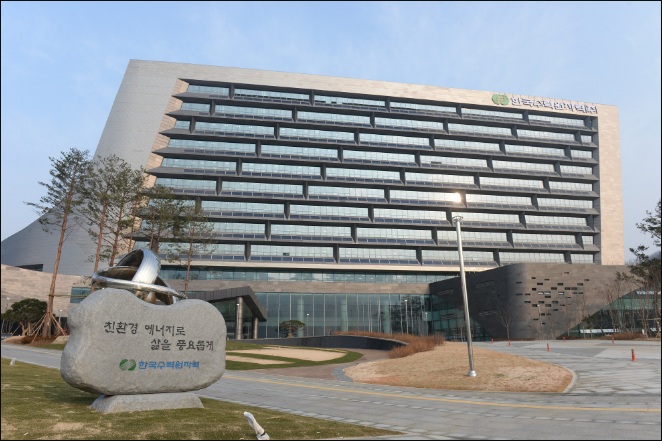
South Korea Plans to Establish Radioisotope Commercialization Company, Targeting Trial Production in 2028
According to sources inside and outside the South Korean government on July 31, Korea Hydro & Nuclear Power (KHNP) and relevant departments including the Ministry of Economy and Finance plan to discuss the establishment of a special purpose company (SPC) for radioisotope commercialization. The company is proposed to be set up as a subsidiary of KHNP, with domestic private enterprises, including pharmaceutical companies, expected to participate in investment. Under the current plan, the South Korean government will determine the specific investment structure and business plan through inter-departmental consultations this year, and strive to complete the company's establishment by 2027. Subsequently, the relevant parties will push forward facility construction to produce radioisotopes using nuclear power plants, with the goal of commencing trial production in 2028. Radioisot...
2026-08-01