
Argentine CNEA Expert Appointed Vice Chair of European Working Group on Nuclear Medicine Isotope Supply Security
 Scan to share
The Argentine National Atomic Energy Commission (CNEA) recently announced that Daniel Sestao, an engineer and the institution's radioisotope production manager, has been appointed Vice Chair of the Supply Security Working Group of the European Association of Nuclear Medicine. CNEA, which operates under the Nuclear Affairs Secretariat of Argentina's Ministry of Economy, views this appointment as recognition of its technical capabilities in nuclear medicine and its role in international collaboration.
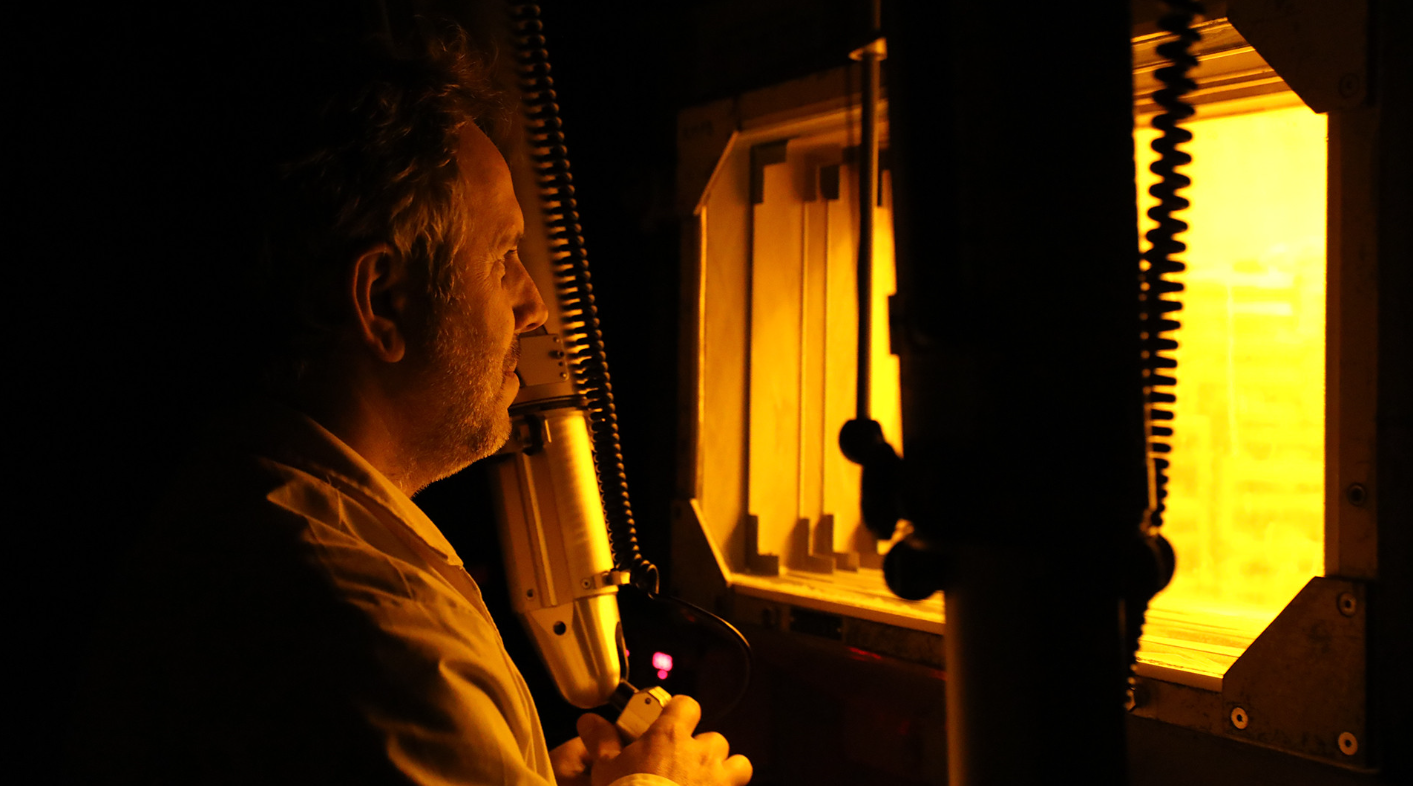
The Supply Security Working Group is composed of international experts and focuses on the continuity and sustainability of the medical radioisotope supply chain, covering strategic isotopes such as molybdenum-99, technetium-99m, and lutetium-177. These radioisotopes are widely used in the diagnosis and treatment of tumors and complex diseases, serving as critical materials in the nuclear medicine system.
Due to the relatively short half-lives of molybdenum-99 and technetium-99m, which undergo rapid radioactive decay and cannot be stored for extended periods, their production, transportation, and use impose significant demands on international coordination. One of the working group's key tasks is to coordinate operating schedules of global production reactors, as well as planned maintenance or refueling outage arrangements, to mitigate the risk of medical isotope shortages.
CNEA stated that Sestao's appointment as Vice Chair of the working group further demonstrates the institution's technical engagement in the nuclear medicine supply chain and reflects Argentina's continued commitment to ensuring the stable supply of critical medical radioisotopes.
Meanwhile, the RA-10 multipurpose reactor at the Ezeiza Atomic Center is nearing commissioning. According to CNEA, the reactor features a 29.5-day continuous operating cycle and will significantly enhance Argentina's medical radioisotope production capacity, securing domestic molybdenum-99 supply. CNEA expects that RA-10 will also meet approximately 25% of global radiopharmaceutical demand and create conditions for Argentina to expand related exports.
Disclaimer: Information republished from partner media, institutions or other websites is provided for reference and communication purposes only. It does not imply endorsement of its views or verification of its accuracy. Please contact us if any content infringes rights or requires correction.