
Search Results
Keyword:Argentina
Romania and Argentina Nuclear Power Companies Sign Memorandum of Understanding to Deepen CANDU 6 Heavy Water Reactor Technology Cooperation
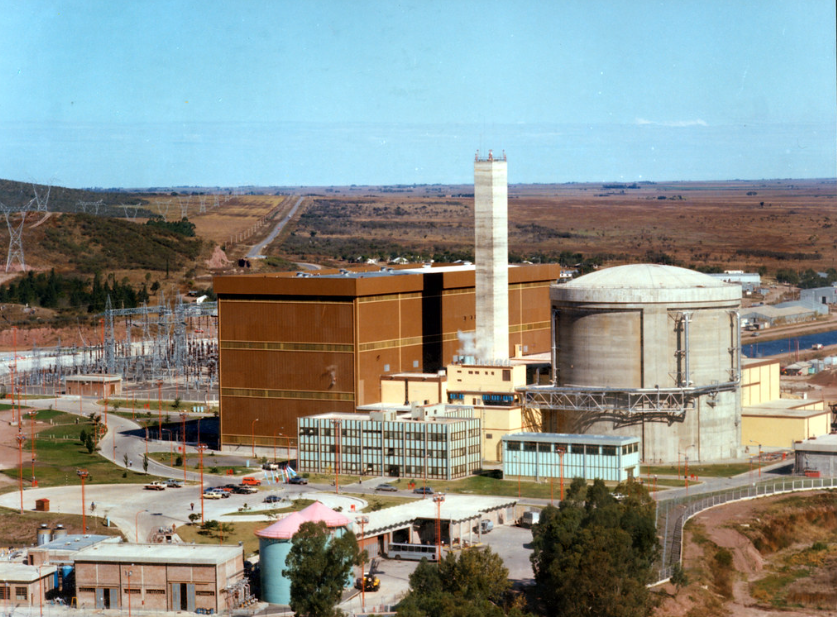
Romania's National Nuclear Power Company (SNN) and Argentina's Nuclear Power Company (NASA) signed a non-binding memorandum of understanding on Thursday. According to a press release issued by the Romanian company, the two parties will engage in in-depth cooperation in the operation and development of CANDU 6 heavy water reactor technology. Both companies possess strong technical strength and rich practical experience in the engineering design, daily operation, equipment maintenance, large-scale project management, life extension, nuclear safety analysis, and reactor operation of CANDU 6 technology nuclear reactors. Argentina's Nuclear Power Company had previously successfully completed the refurbishment and upgrade of the Embalse Nuclear Power Plant, which uses CANDU technology...
2026-09-18
Argentina Plans to Commission RA-10 Multipurpose Reactor in 2027
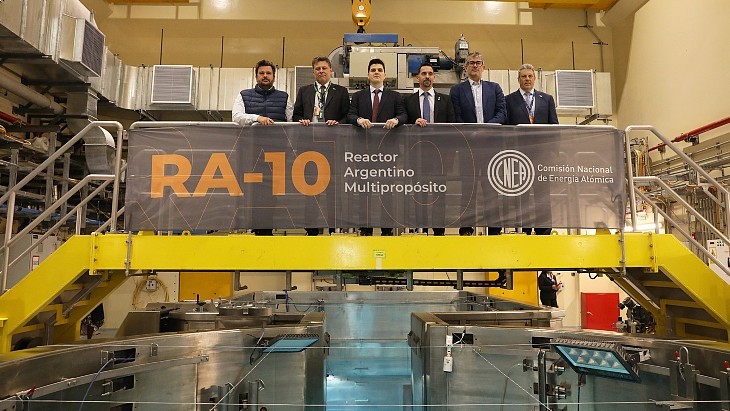
Argentina's National Atomic Energy Commission (CNEA) and the Nuclear Affairs Secretariat recently stated that the RA-10 multipurpose research reactor at the Ezeiza Atomic Centre is planned to begin commissioning before the end of this year, with the goal of achieving operation in 2027. (Image source: CNEA) According to the project site, RA-10 is currently in its final phase, with approximately 530 workers completing the remaining construction and system testing in preparation for subsequent reactor commissioning and operation. The project is currently about 96% complete overall. RA-10 is a 30 MW open-pool multipurpose research reactor that will provide products and services to the medical, scientific, technological, and industrial sectors once completed. Among these, molybdenum-99 will be one of its key products...
2026-09-08
Argentina's Atucha II Nuclear Power Plant Ranks First in National Installed Capacity
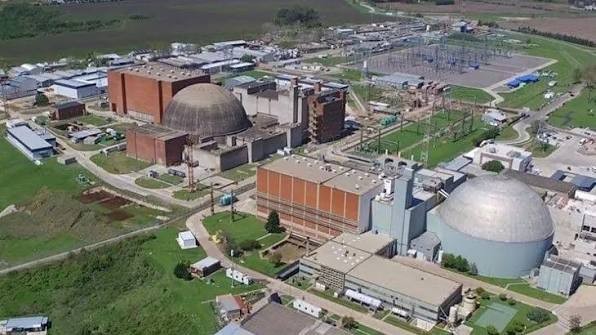
Atucha II Nuclear Power Plant is located in Lima, Buenos Aires Province, Argentina, and is part of the Atucha nuclear power plant complex, adjacent to Atucha I, the first nuclear power plant in Latin America. The unit has an installed capacity of 745 megawatts, making it the largest nuclear power unit in Argentina by installed capacity. The recent phase of the Atucha II project's construction process began in 2006, when relevant parties initiated engineering completion work. Unit installation was completed in 2011, followed by a pre-commissioning testing phase during which systems were verified item by item. On June 3, 2014, the Atucha II reactor was first started up. Several weeks later, the plant supplied electricity to Argentina's national grid for the first time, and obtained its commercial operation license in May 2016...
2026-09-02
Argentina Advances Testing for Atucha II Spent Fuel Dry Storage Project
Nucleoeléctrica Argentina S.A. is advancing key equipment testing for the spent fuel dry storage facility (ASECG II) at the Atucha II nuclear power plant. This project is a critical supporting infrastructure to ensure the long-term operation of the Atucha II plant. The ongoing tests are part of the verification phase prior to system commissioning, primarily aimed at inspecting and adjusting the operational procedures involved in future operations. Among the key equipment under testing is the gantry crane, which handles the transfer of storage containers within the plant site. The stable performance of this equipment is directly related to the safety and controllability of container movements during spent fuel storage operations. According to the project plan...
2026-08-28
Argentina's Nucleoeléctrica Argentina adjusts organizational structure to boost nuclear service exports
The Board of Directors of Nucleoeléctrica Argentina SA held a meeting on August 12, 2026, and approved Resolution No. 1018, authorizing adjustments to the company's organizational structure with a focus on supporting the development of new business units, particularly the export of specialized nuclear services to international markets. This adjustment provides organizational support for the company's earlier formal incorporation of "provision of services to foreign nuclear facilities" into its corporate purpose. In recent years, the company has participated in projects and services related to nuclear facilities in Canada, Brazil, China, South Korea, and Spain, and has developed proprietary technological solutions applicable to CANDU reactors. Under the new structure, the company's management...
2026-08-22

Argentina advances uranium mine restart to support nuclear power program
The Argentine government is incorporating the resumption of domestic uranium mining into its nuclear energy development plan. The government of Javier Milei proposed a nuclear program in June this year, covering uranium resource development, support for the operation of existing nuclear power units, and the construction of modular reactors. Argentina has a long history of uranium mining. According to data, the Huemul uranium mine in Mendoza Province operated from 1955 to 1975, and the Sierra Pintada uranium mine operated from 1975 to 1997. Since then, Argentina has relied mainly on imports for the uranium fuel needed to operate its nuclear power plants. Currently, nuclear power accounts for about 7% of the country's electricity generation. Argentine official data shows that the country has identified recoverable uranium resources of 34,250 tonnes.
2026-08-23
Embalse Nuclear Power Plant Life Extension Experience Boosts Argentina's Nuclear Power Service Exports
Argentina's Embalse Nuclear Power Plant life extension project has become an important technical foundation for the country's nuclear power service exports. Between 2015 and 2019, the Embalse Nuclear Power Plant underwent a large-scale refurbishment, with core work including reactor tube replacement, fuel channel replacement, steam generator renewal, and upgrade of the plant's computer control system, enabling the unit to operate for another 30 years. Nuclear power plant life extension is one of the most technically challenging projects in the energy sector, requiring the dismantling, inspection, assessment, and refurbishment of key equipment that has been in operation for decades, with stringent requirements for engineering precision, quality control, and project management capability. Through the Embalse Nuclear Power Plant project, Argentina has for the first time fully implemented this complex process.
2026-08-19
Argentina Advances Private Capital Introduction in Nuclear Sector, Plans Life Extension for Atucha I Nuclear Power Plant
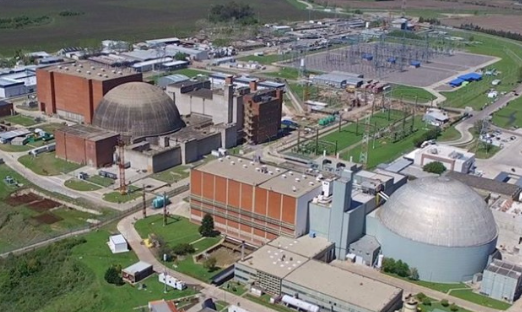
The Argentine government is pushing forward a new round of adjustments in the nuclear energy industry, with the core measure being the allowance of private capital into the state-owned nuclear power operator Nucleoeléctrica Argentina. Under the new regulatory framework, the state will retain 51% of shares and maintain control over strategic decisions, while up to 44% of equity can be offered to investors through public tenders, aiming to attract capital into this key industry of energy sovereignty significance. Government officials stated that proceeds from the partial equity sale will be directed toward projects considered energy infrastructure priorities, including the life extension project for Atucha I Nuclear Power Plant and fuel storage at Atucha II Nuclear Power Plant...
2026-08-11
Argentine CNEA Expert Appointed Vice Chair of European Working Group on Nuclear Medicine Isotope Supply Security
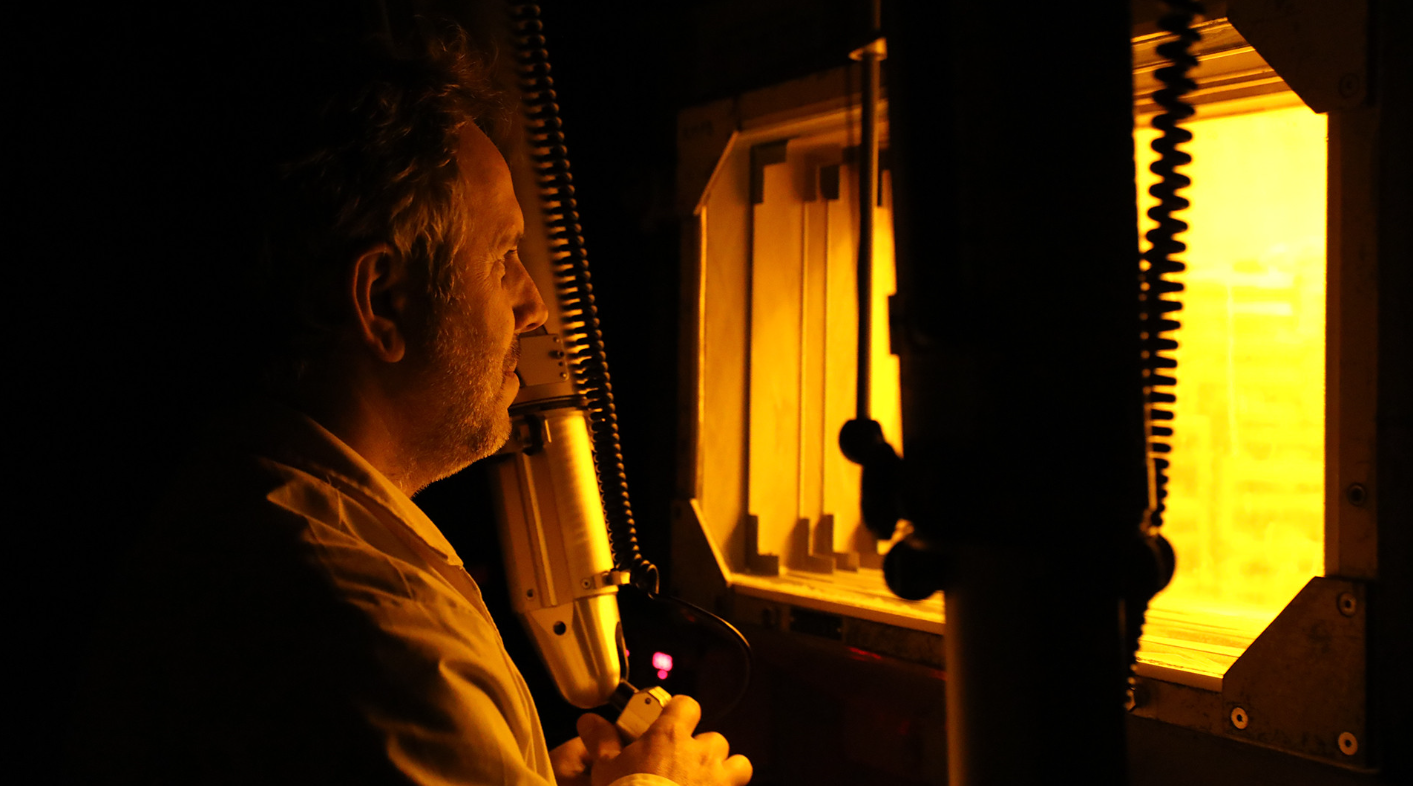
The Argentine National Atomic Energy Commission (CNEA) recently announced that Daniel Sestao, an engineer and the institution's radioisotope production manager, has been appointed Vice Chair of the Supply Security Working Group of the European Association of Nuclear Medicine. CNEA, which operates under the Nuclear Affairs Secretariat of Argentina's Ministry of Economy, views this appointment as recognition of its technical capabilities in nuclear medicine and its role in international collaboration. The Supply Security Working Group is composed of international experts and focuses on the continuity and sustainability of the medical radioisotope supply chain, covering strategic isotopes such as molybdenum-99, technetium-99m, and lutetium-177. These radioisotopes are widely used in the diagnosis and treatment of tumors and complex diseases, forming a critical component of the nuclear medicine system...
2026-08-11

Argentina's nuclear system faces cutback pressures; unions go to Senate to warn of strategic capability loss
Representatives from the Central of Argentine Workers (CTA Autónoma) and several nuclear sector unions recently met with the Peronist Senate caucus to express concerns over the current state of the national nuclear system. Attendees from Nucleoeléctrica Argentina S.A. (NA-SA), Dioxitek S.A., the Heavy Water Industrial Plant (PIAP), the National Atomic Energy Commission (CNEA), and the Nuclear Regulatory Authority (ARN) argued that the current government's fiscal austerity policies are having a significant impact on the nuclear industry. The unions pointed out that Argentina's nuclear system is facing issues such as insufficient funding for public institutions, reduced investment, and stalled strategic projects. These projects are not only related to power generation and nuclear fuel...
2026-08-11

Argentina and Ecuador Sign Six Cooperation Agreements, Including Peaceful Use of Nuclear Energy Cooperation
Argentine President Javier Milei and Ecuadorian President Daniel Noboa held a bilateral meeting at the Carondelet Palace in Quito on August 7, signing six cooperation agreements. The agreements cover trade, nuclear energy, air transportation, judicial cooperation, cyber defense, and marine resource protection, indicating that the two countries are attempting to establish a closer cooperation framework on security and economic issues. Energy and technological cooperation was also a key component of the meeting. The two sides signed a cooperation agreement on the peaceful use of nuclear energy, emphasizing the promotion of nuclear applications in civil fields through exchanges between scientific research institutions, technical cooperation, and joint research and development projects. Such cooperation helps enhance...
2026-08-08
Argentina's nuclear power generates 4.45 million kWh in half a year, accounting for over 7% of national electricity and meeting the residential electricity needs of 6 million people
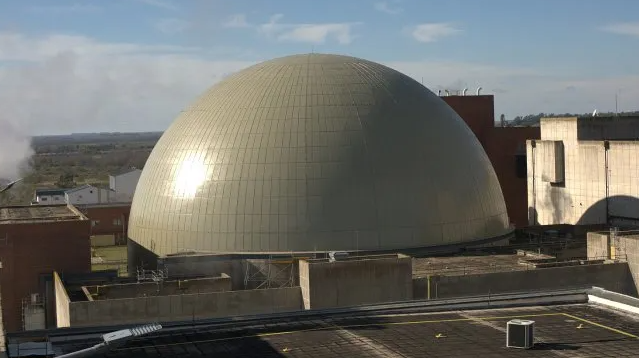
Operating data from Nucleoeléctrica Argentina for the first half of 2026 shows that the Atucha 2 and Embalse nuclear power plants generated a combined 4,450,355 kWh, accounting for over 7% of the country's total electricity generation during the period and covering 13% of national residential electricity demand. Notably, although Atucha 1 is temporarily out of service due to a life extension project, the nuclear plants are still able to supply electricity to approximately 6 million people. In addition to its operational breakthroughs, Nucleoeléctrica Argentina is also actively expanding its international business. The company has formally established a new business unit aimed at...
2026-08-06

Argentine President Javier Milei Appoints Former Bariloche Mayor Gennuso as Vice President of the Atomic Energy Commission
Argentine President Javier Milei has appointed Gustavo Gennuso as the new Vice President of the Argentine National Atomic Energy Commission (CNEA) through Decree No. 673/2026. Gennuso previously served as Mayor of San Carlos de Bariloche (2015–2023), and this appointment brings the former mayor into a key institution in Argentina's nuclear sector, also reflecting the political expansion of the ruling party "La Libertad Avanza" in Río Negro Province ahead of the 2027 elections. Former Vice President Luis Alfredo Tomás Rovere has stepped down, as part of the restructuring published in the Official Gazette. Decree No. 655/2026 shows the CNEA undergoing major reorganization...
2026-08-03