
Argentina's nuclear system faces cutback pressures; unions go to Senate to warn of strategic capability loss
 Scan to share
Representatives from the Central of Argentine Workers (CTA Autónoma) and several nuclear sector unions recently met with the Peronist Senate caucus to express concerns over the current state of the national nuclear system. Attendees from Nucleoeléctrica Argentina S.A. (NA-SA), Dioxitek S.A., the Heavy Water Industrial Plant (PIAP), the National Atomic Energy Commission (CNEA), and the Nuclear Regulatory Authority (ARN) argued that the current government's fiscal austerity policies are having a significant impact on the nuclear industry.
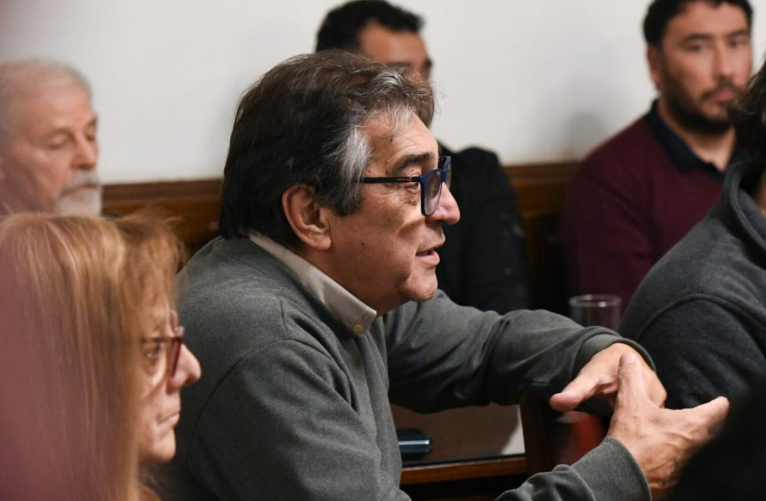
The unions pointed out that Argentina's nuclear system is facing issues such as insufficient funding for public institutions, reduced investment, and stalled strategic projects. These projects are not only related to power generation, nuclear fuel production, and nuclear medicine, but also involve scientific research and technological development. Union representatives believe that if the relevant institutions continue to be weakened, the nuclear science and technology capabilities accumulated by Argentina over decades could suffer irreversible impacts.
Particular attention was paid during the meeting to the loss of specialized talent. The nuclear industry relies heavily on technicians, researchers, and regulatory personnel trained over long periods; once lost due to budget cuts, project interruptions, or deteriorating working conditions, they will be difficult to restore in the short term. The unions described this process as a "dismantling" of the country's nuclear institutions, emphasizing that it is not merely a matter of jobs but also of national strategic capability and technological sovereignty.
After the meeting, the Peronist Senate caucus stated that it is necessary to uphold the nuclear system as a national policy. The senators believe that Argentina has long held regional and even international influence in the nuclear field; if the relevant institutions and enterprises are weakened, the country could experience setbacks in science, technology, industry, and energy, as well as a decline in its position in international nuclear technology cooperation.
This meeting took place against the backdrop of an ongoing debate in Argentina over the future of the science and technology system. As the government adjusts public spending, multiple strategic institutions in research, energy, and industry face uncertainty. Unions and some political forces are attempting to push for congressional intervention to ensure the continuity of funding, projects, and talent systems in key sectors such as nuclear energy.
Disclaimer: Information republished from partner media, institutions or other websites is provided for reference and communication purposes only. It does not imply endorsement of its views or verification of its accuracy. Please contact us if any content infringes rights or requires correction.