
Search Results
Keyword:medical radioisotopes

Canada Supports IAEA "Rays of Hope" Initiative for the First Time, Will Provide Medical Isotope Training for Latin America
The Canadian Nuclear Isotope Council (CNIC) announced on September 10 that Canada has for the first time formally provided support to the International Atomic Energy Agency (IAEA) Rays of Hope initiative, and will help enhance cancer diagnosis and treatment capacity in Latin America through training in the production of medical radioisotopes and radiopharmaceuticals. The Rays of Hope initiative aims to expand access to cancer treatment and radiotherapy infrastructure in low- and middle-income countries. Under the arrangement, from November 8 to 14, 26 relevant sector leaders from Argentina, Brazil, Chile and Mexico will travel to Ontario, Canada, to participate in a training program jointly organized by Bruce Power and McMaster University. The training will focus on medical isotopes...
2026-09-11
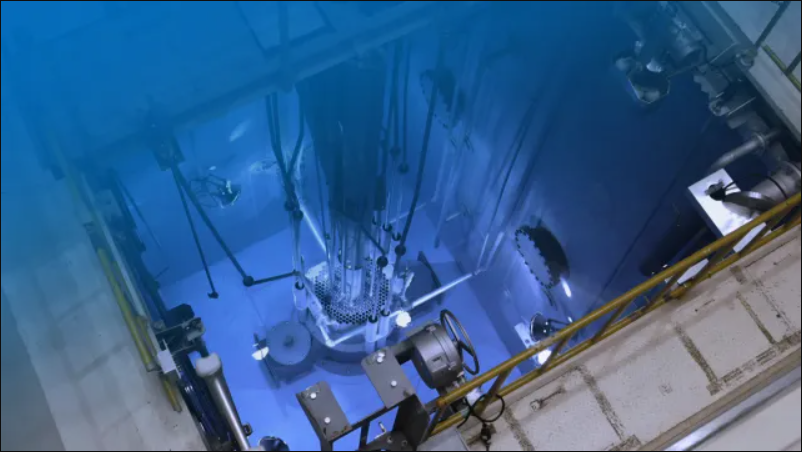
Research reactors provide critical support for global medical, scientific, and industrial innovation
The International Atomic Energy Agency recently reported that research reactors continue to play a vital role in medical, scientific, industrial innovation, and nuclear workforce development, serving as key infrastructure for many countries to build their nuclear science and technology capabilities. Currently, 228 research reactors are in operation across 54 countries worldwide, with another 23 under construction or in the planning stage. Unlike nuclear power reactors used for electricity generation, research reactors primarily produce neutrons for applications in medicine, industry, agriculture, geological sciences, forensics, and other fields. With capabilities such as neutron irradiation, neutron imaging, elemental analysis, and radioisotope production, research reactors have become important platforms for advancing peaceful nuclear technology applications. In the medical field, research...
2026-08-23

Libya Plans to Restore Tajoura Research Reactor for Medical Isotope Production
The Libyan Atomic Energy Establishment recently proposed a plan to restore and restart the Tajoura nuclear research reactor for the production of medical radioisotopes. The establishment stated that this initiative aims to support the diagnosis and treatment of diseases and tumors, while reducing dependence on imports of relevant isotopes. Radioisotopes are essential materials in nuclear medicine, serving as tracers in medical imaging to help track organ function and detect certain diseases and tumors; some isotopes are also used in radiotherapy targeting specific tissues. According to the Libyan Atomic Energy Establishment, the Tajoura reactor has a rated thermal power of 10 megawatts and holds potential for producing various medical isotopes, including...
2026-08-18
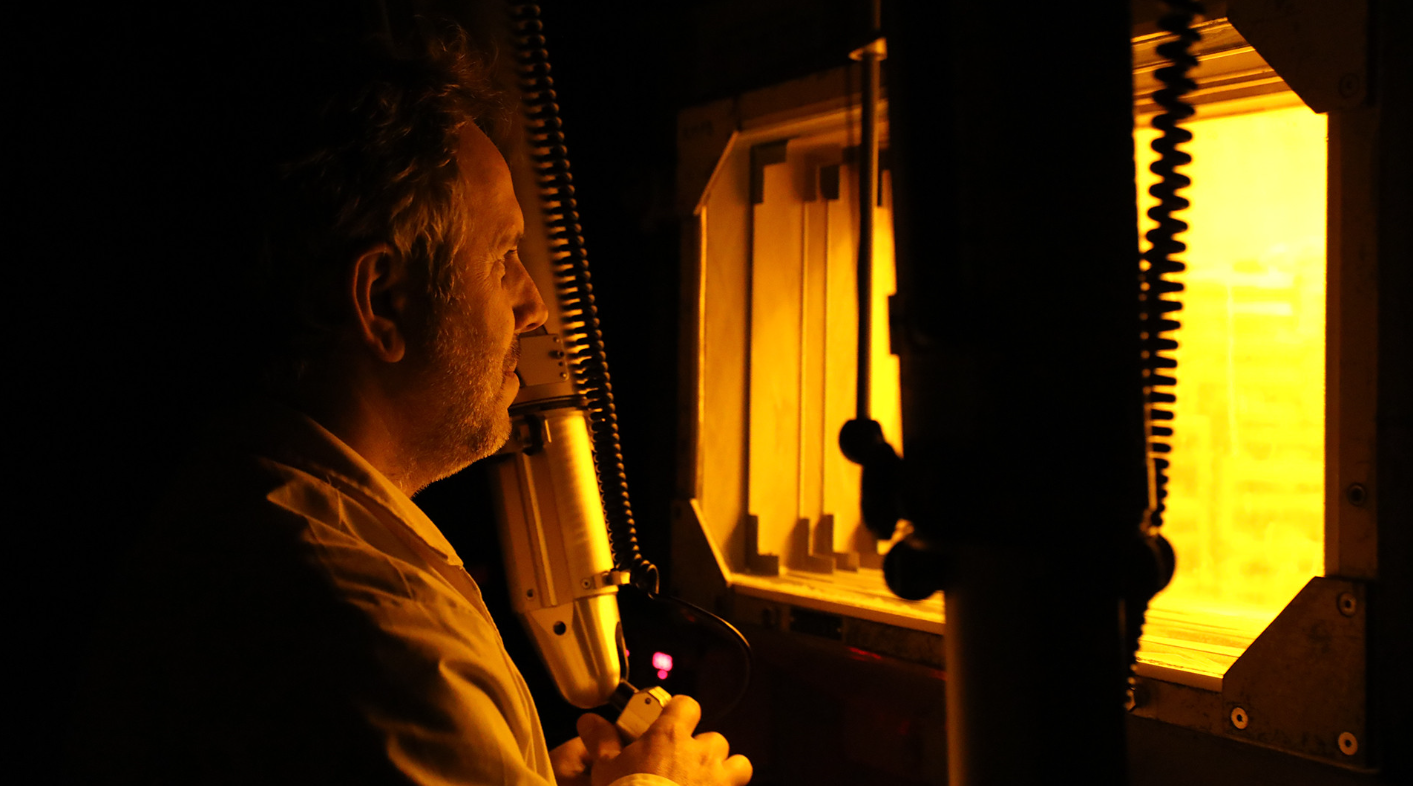
Argentine CNEA Expert Appointed Vice Chair of European Working Group on Nuclear Medicine Isotope Supply Security
The Argentine National Atomic Energy Commission (CNEA) recently announced that Daniel Sestao, an engineer and the institution's radioisotope production manager, has been appointed Vice Chair of the Supply Security Working Group of the European Association of Nuclear Medicine. CNEA, which operates under the Nuclear Affairs Secretariat of Argentina's Ministry of Economy, views this appointment as recognition of its technical capabilities in nuclear medicine and its role in international collaboration. The Supply Security Working Group is composed of international experts and focuses on the continuity and sustainability of the medical radioisotope supply chain, covering strategic isotopes such as molybdenum-99, technetium-99m, and lutetium-177. These radioisotopes are widely used in the diagnosis and treatment of tumors and complex diseases, forming a critical component of the nuclear medicine system...
2026-08-11