
South Korea Advances First Domestic Commercial Production of Lu-177 Using Wolsong Heavy Water Reactors
 Scan to share
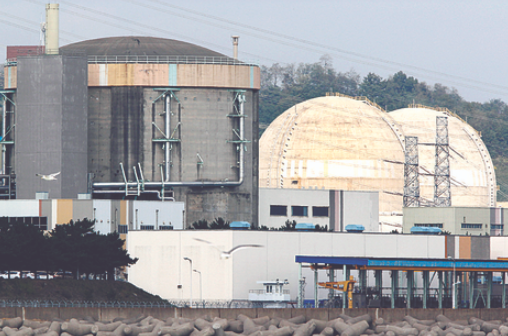
Korea Hydro & Nuclear Power (KHNP) plans to use the heavy water reactors at the Wolsong Nuclear Power Plant to produce, for the first time domestically, the radioisotope lutetium-177 (Lu-177) for cancer treatment.
Currently, South Korea relies entirely on imports for this material, which imposes cost pressures and supply instability on local radiopharmaceutical companies such as Cellbion and FutureChem. Industry experts generally believe that domestic production will help build a diversified supply chain and shorten transportation times.
The primary goal of this plan is to achieve commercial production of Lu-177, with pilot production expected in 2028 and full-scale production commencing in 2031. Subsequently, KHNP will expand production to include other radioisotopes such as cobalt-60, tritium, and actinium-225. This initiative is not only significant for the development of cancer treatment drugs but may also foster a new industrial ecosystem.
Lu-177 is a key raw material for Novartis's prostate cancer drug "Priovict" and neuroendocrine tumor drug "Lutatera." Due to its short half-life, the time requirement from production to patient use is extremely stringent. The global Lu-177 market is currently experiencing sustained growth, with projections reaching approximately 2.3 trillion yen by 2034. South Korean companies Cellbion and FutureChem are actively developing prostate cancer treatments based on dysprosium-177 and are striving to become the first domestic companies to launch such products.
Despite the numerous advantages of domestic Lu-177 production, industry experts also point out that completely replacing the existing overseas supply chain is not an easy task. Comprehensive validation of quality, GMP standards, and regulatory requirements is needed. Additionally, Novartis has signed a cooperation agreement with the Korean Ministry of Health and Welfare to expand manufacturing facilities and cold chain logistics networks in South Korea, which may allow it to preemptively capture market share.
In the future, KHNP plans to expand production to next-generation radioisotopes such as actinium-225, further enhancing domestic competitiveness in the radiopharmaceutical field. Actinium-225 is considered a successor to Lu-177, offering higher cancer-killing efficacy and lower damage to normal tissues. Cellbion and FutureChem are also actively advancing the development of actinium-225-based therapeutic drugs.
Disclaimer: Information republished from partner media, institutions or other websites is provided for reference and communication purposes only. It does not imply endorsement of its views or verification of its accuracy. Please contact us if any content infringes rights or requires correction.