
U.S. Company Proposes Americium-241 Radioisotope Heating Solution for Spacesuits, Receives Early NASA Research Support
 Scan to share
U.S.-based Zeno Power Systems has proposed a radioisotope heating concept for lunar extravehicular activities, planning to use Americium-241 (Am-241) to provide continuous passive warmth for astronauts during lunar nights and in permanently shadowed regions. The proposal has been selected for this year's NASA Innovative Advanced Concepts (NIAC) program, with the potential to receive up to $175,000 in early-stage research funding.
The lunar surface environment is one of the key challenges for long-duration crewed missions. Data shows that lunar nights can last approximately two weeks, and extreme low temperatures will limit the duration of astronaut extravehicular activities in shadowed areas and at night. Even with new-generation spacesuits, their cold resistance remains limited, making it difficult to support long-duration missions.
Zeno Power Systems' proposal is named "Astronaut Radioisotope Extravehicular Activity Extension Program for Nights and Deep-space Icy Landscapes" (EARENDIL). The core concept is to integrate Americium-241 radioisotope heat sources into extravehicular activity suits, enabling the spacesuit to maintain astronaut body temperature through distributed localized heating. Americium-241 has a half-life of 432.6 years, and data indicates it is relatively safe outside the body, but if inhaled, swallowed, or introduced into the body, it may pose serious health risks. Therefore, subsequent research under this concept will focus on evaluating thermal management, radiation protection, and system integration issues.
The research team stated that the first phase will adopt a multidisciplinary approach, conducting thermal modeling, radiation protection assessments, and system integration analyses, with a focus on clarifying key issues such as heating requirements, mission dose rates, human factors, and compatibility with existing spacesuits.
If the technology proves feasible, such wearable radioisotope heating systems could also be used in other deep-space exploration missions in the future, including cold environments such as Mars. However, the concept is still at a very early stage, and even with NASA support, it does not guarantee entry into actual space missions.
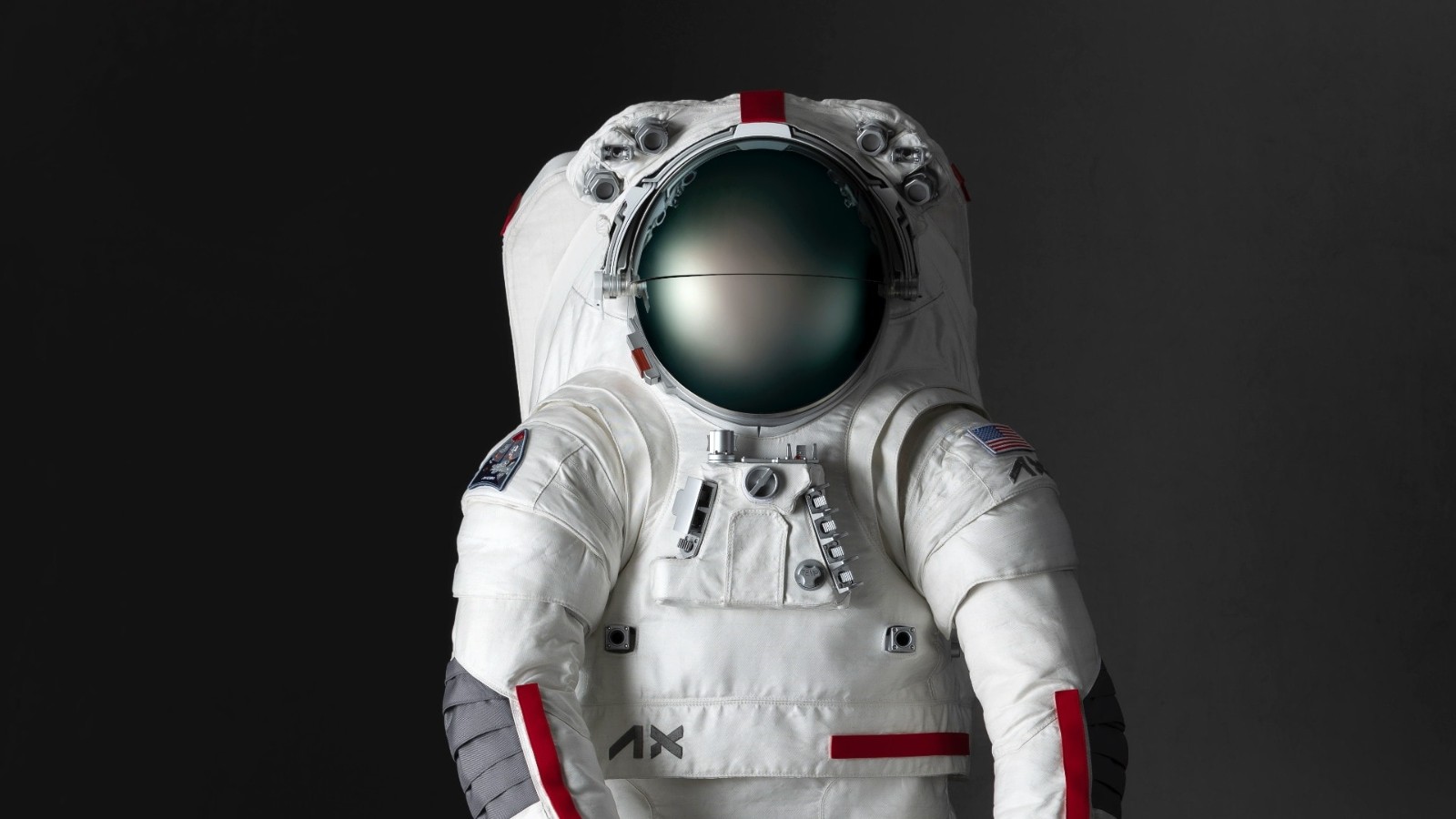
Data also shows that this proposal will not be used for spacesuits currently being developed for the Artemis program and orbital spacewalks. The current lunar spacesuit, the "Axiom Extravehicular Mobility Unit" (AxEMU), is being developed by Axiom Space and features a liquid cooling and ventilation garment (LCVG) manufactured with participation from Prada for thermal environment management, ventilation, and auxiliary breathing, designed to support approximately 8 hours of use per mission. Another spacesuit is being developed by Collins Aerospace, but publicly available details remain limited.
Disclaimer: Information republished from partner media, institutions or other websites is provided for reference and communication purposes only. It does not imply endorsement of its views or verification of its accuracy. Please contact us if any content infringes rights or requires correction.