
Cause Identified for Automatic Shutdown of Unit 3 at Shin-Kori Nuclear Power Plant in South Korea
 Scan to share
The Nuclear Safety and Security Commission (NSSC) of South Korea reported on the 4th that it has completed its investigation into the automatic shutdown of Unit 3 at the Shin-Kori nuclear power plant during commissioning tests on the 11th of last month, and has approved the resumption of commissioning tests for the unit. The investigation confirmed that the direct cause of the incident was an operator error in inputting parameters during the process of restoring reactor power after the tests.
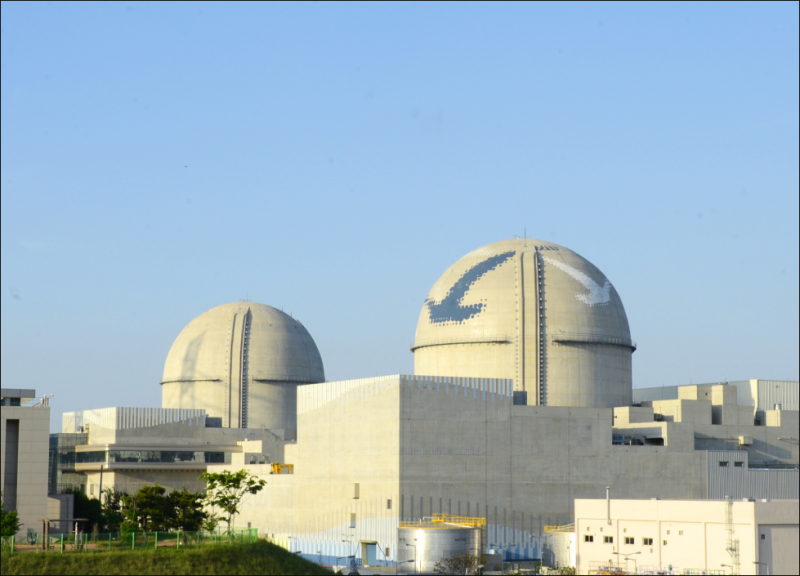
According to the investigation findings, at the time of the incident, while setting the parameters for the turbine control valve position limiter, the operator mistakenly entered a value intended to limit the upper opening limit of the valve as a value in the valve closing direction. This limiter is used to prevent a rapid increase in the amount of steam entering the turbine for power generation within a short period. After the parameter error, the unit experienced an interruption in power output at approximately 80% power level, followed by an automatic shutdown.
Korea Hydro & Nuclear Power Co., Ltd. (KHNP) has developed preventive measures, including supplementing relevant test and operating procedures and conducting specialized training, to reduce the likelihood of similar human errors recurring.
The NSSC also confirmed during its investigation that, following the incident, the emergency diesel generators were connected to the safety busbars, enabling power supply to safety equipment in emergency situations; and one of the four essential chilled water pumps was started manually. Upon review, the NSSC determined that the overall corrective and preventive measures proposed by KHNP were appropriate.
The NSSC stated that even after approving the resumption of commissioning tests for Unit 3 at the Shin-Kori nuclear power plant, it will continue to oversee the subsequent commissioning process and verify the implementation of the preventive measures.
Disclaimer: Information republished from partner media, institutions or other websites is provided for reference and communication purposes only. It does not imply endorsement of its views or verification of its accuracy. Please contact us if any content infringes rights or requires correction.