
CNNC Signs Cooperation Agreement with IAEA in High-Temperature Gas-Cooled Reactor Field
 Scan to share
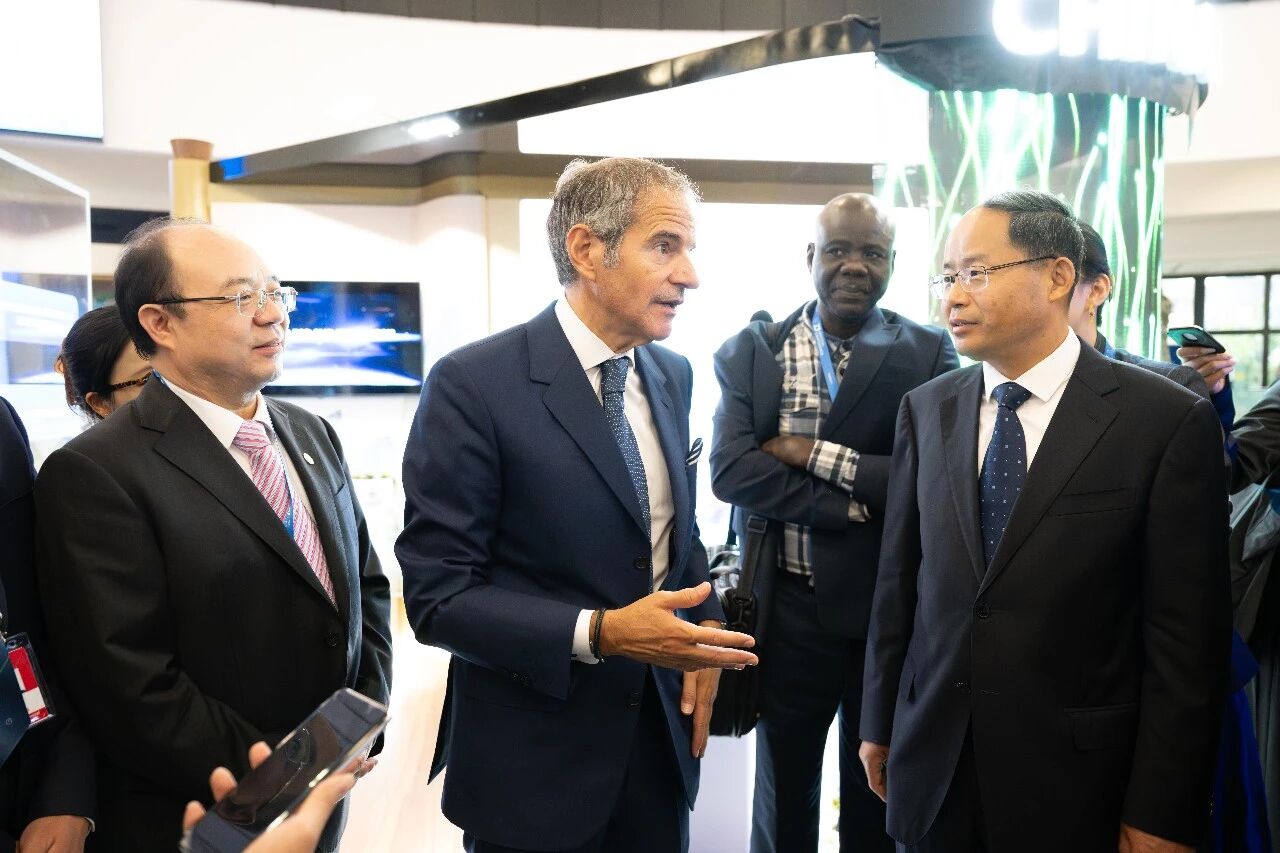
Grossi inquired in detail about nuclear energy innovation solutions and comprehensive utilization including high-temperature gas-cooled reactors and Linglong One, expressed interest in the progress of China's small modular reactor construction, and highly praised the positive contributions made by CNNC in innovative applications of small modular reactors.
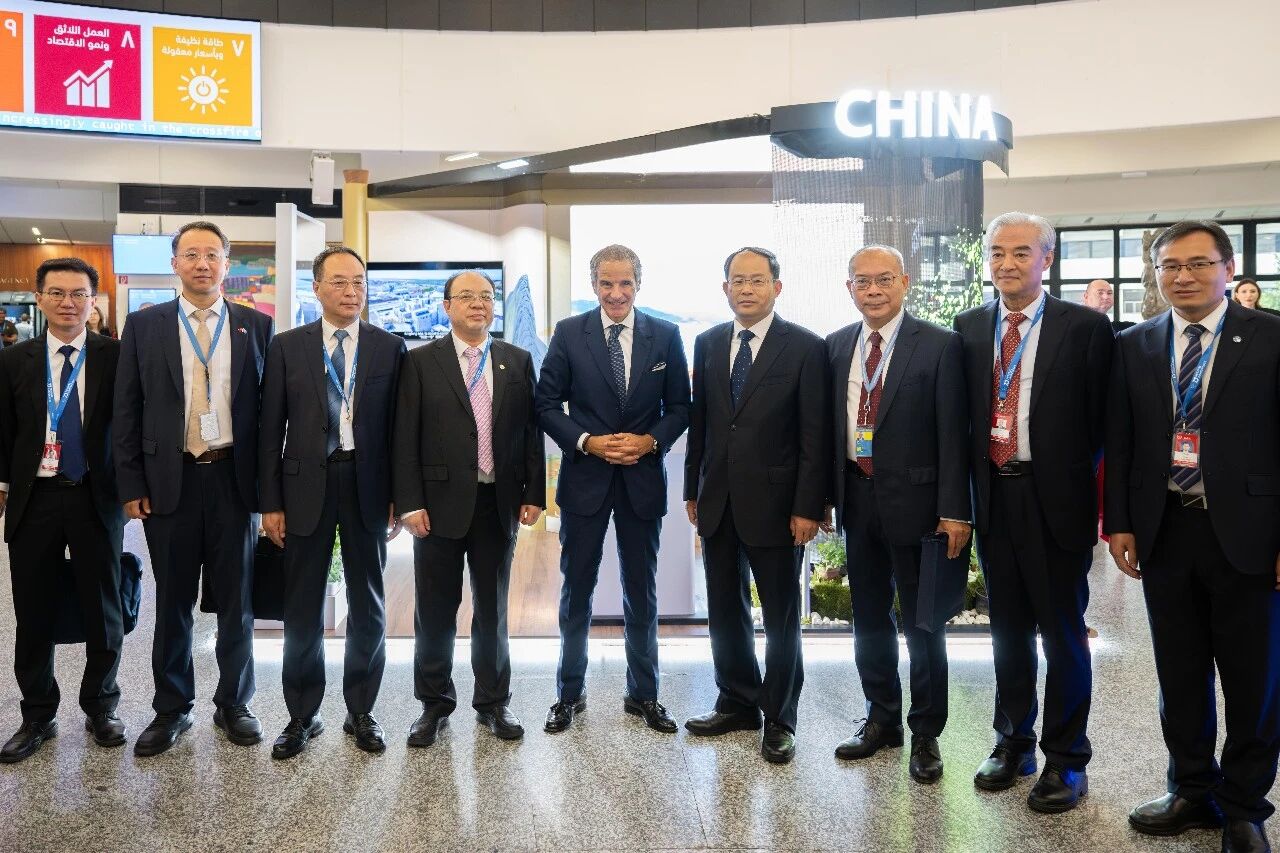
This China exhibition focused on showcasing China's advanced nuclear energy technology innovation achievements and comprehensive nuclear energy utilization practices, including high-temperature gas-cooled reactors and Linglong One. Among them, advanced reactor types such as high-temperature gas-cooled reactors attracted the attention of the IAEA and representatives of participating countries.
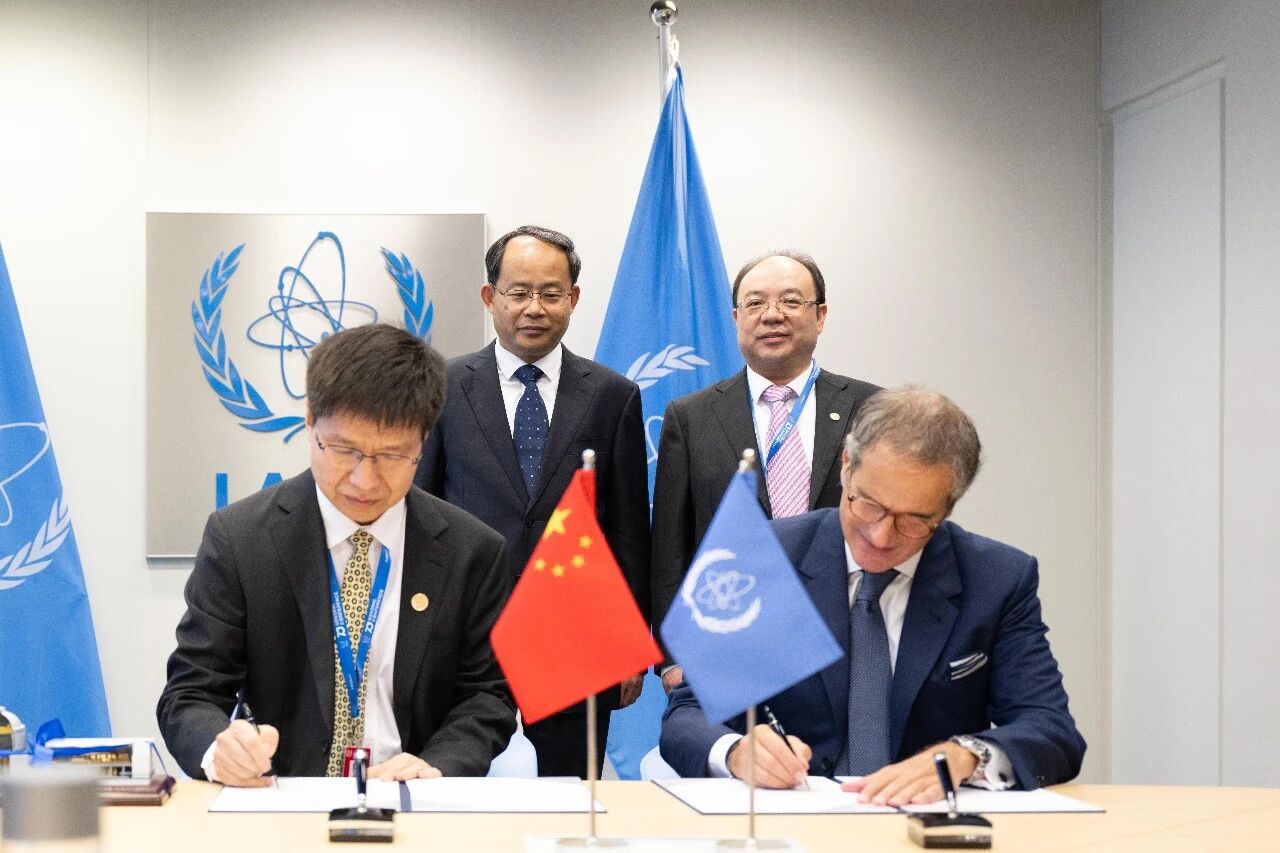
According to the cooperation agreement in the high-temperature reactor field signed between China Nuclear Energy and the IAEA, both parties agreed to carry out exchanges and cooperation in areas including research and development, design, construction, commissioning, and operation of high-temperature gas-cooled reactor nuclear power plants, as well as supply chains and talent cultivation. This means the world can share China's engineering practice experience in high-temperature gas-cooled reactors, which will further facilitate the global promotion of high-temperature gas-cooled reactors in low-carbon scenarios such as nuclear power generation, industrial heat supply, and hydrogen production.
It is understood that as the global energy transition continues to deepen, addressing climate change, ensuring energy security, and advancing green and low-carbon development have become the common pursuit of all humanity. In particular, many countries have actively signed the "Triple Nuclear Energy Declaration," continuously exploring new pathways for the peaceful use of nuclear energy, and global nuclear energy development has ushered in an important period of opportunity.
CNNC has consistently actively promoted advanced nuclear energy technology innovation and engineering implementation, continuously deepening its efforts in multiple technical directions including small modular reactors and fourth-generation advanced reactors, and has formed a comprehensive development pattern of "large, medium, small, special, and micro" reactor types, which can provide diversified technology choices for different scenarios and energy needs of different countries.
In recent years, CNNC has actively promoted the coupled development of "nuclear energy + petrochemicals," deeply combining the clean advantages of nuclear energy with the energy needs of the petrochemical industry, providing new ideas for the green transformation of traditional high-energy-consuming industries. Among these, high-temperature gas-cooled reactors, as advanced reactor types with fourth-generation nuclear energy technology characteristics, have broad application prospects in fields such as industrial heat supply and comprehensive energy utilization.
On January 16, 2026, the world's first nuclear power plant coupling a high-temperature gas-cooled reactor with a pressurized water reactor, primarily for industrial heat supply while also providing electricity, —— the Jiangsu Xuwei Nuclear Heating and Power Plant —— officially began construction, marking a key step in China's transition from single-purpose power generation to diversified supply in nuclear energy utilization, and providing a replicable and scalable "China Solution" for the low-carbon transformation of global high-energy-consuming industries. It is expected that after the project is completed and put into operation, it will supply more than 35 million tons of industrial steam annually.
Disclaimer: Information republished from partner media, institutions or other websites is provided for reference and communication purposes only. It does not imply endorsement of its views or verification of its accuracy. Please contact us if any content infringes rights or requires correction.