
The SM-1 Nuclear Power Plant at Fort Belvoir, United States, Has Completed All On-Site Decommissioning and Dismantlement Work
 Scan to share
The Baltimore District of the U.S. Army Corps of Engineers recently announced that the SM-1 nuclear power plant at Fort Belvoir, Virginia, has completed all on-site decommissioning and dismantlement work.
On September 9, 2026, at the closing ceremony of the SM-1 nuclear power plant decommissioning and dismantlement project held at Fort Belvoir, Virginia, leaders from the U.S. Army, the U.S. Army Corps of Engineers, the Fort Belvoir Garrison, and the project contractor posed for a photo with the original 1957 building sign of the SM-1 nuclear power plant. The ceremony marked the successful completion of all on-site work related to the decommissioning and dismantlement of the nuclear power plant.
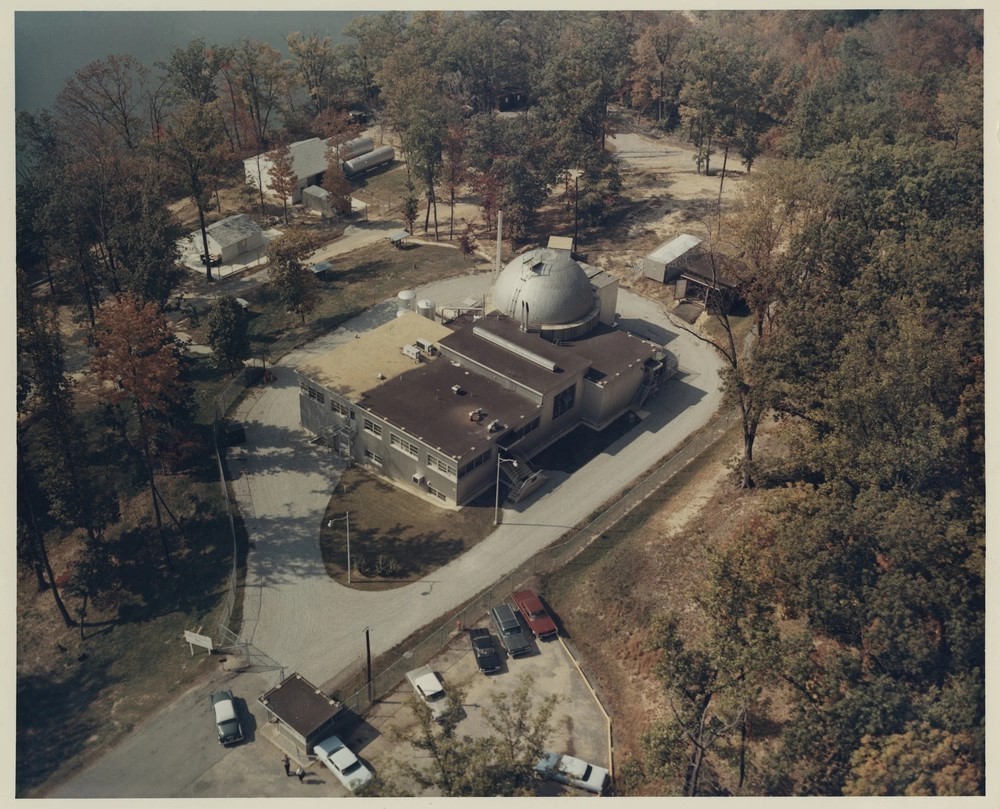
The U.S. Army's SM-1 (Stationary Medium Power Reactor Prototype No. 1) was a 2-megawatt experimental small nuclear reactor located at Fort Belvoir, Virginia. SM-1 was the first reactor deployed under the Army Nuclear Power Program (ANPP), with its history dating back to 1954, when the U.S. Army launched its nuclear power program and commissioned the American Locomotive Company to build a small reactor at its Army Corps of Engineers headquarters at Fort Belvoir. On April 8, 1957, the reactor reached criticality and began supplying electricity to the commercial power grid several months before the larger Shippingport nuclear power plant in Pennsylvania entered operation in December of the same year. The SM-1 nuclear power plant produced 1.5 megawatts of electricity using only about 10 megawatts of reactor thermal energy, but it also served as a training facility, providing reactor operation training for personnel from the Army, Navy, and Air Force. The plant operated until 1973, after which it was shut down and placed in long-term safe storage.
The decommissioning of the SM-1 nuclear power plant was carried out in phases: partial decommissioning began shortly after shutdown in 1973, with the removal of nuclear fuel and control rods and the sealing of the reactor pressure vessel completed in the 1970s; in 2014, the Army Corps of Engineers began planning final decommissioning; on-site work officially commenced in 2021 and all dismantlement was completed by 2026. The entire lifecycle, counting from the start of design work in 1954, spanned approximately 72 years.
The Army Corps of Engineers stated that the complete decommissioning experience of SM-1 helps the Army understand the full lifecycle of nuclear power and provides a reference for future deployment of small nuclear reactors at installations.
Disclaimer: Information republished from partner media, institutions or other websites is provided for reference and communication purposes only. It does not imply endorsement of its views or verification of its accuracy. Please contact us if any content infringes rights or requires correction.