
Largest-ever remediation completed at UK's Harwell nuclear research site
 Scan to share
Recently, the UK's Nuclear Restoration Services (NRS) announced the formal completion of land remediation work at the former Liquid Effluent Treatment Plant (LETP) and the adjacent sewage treatment works area at the Harwell nuclear research site in Oxfordshire. The project covers a total area of 4.2 hectares and is the largest land remediation project ever undertaken at the Harwell site, marking a milestone in safe decommissioning and land reuse at this historic cradle of nuclear research.
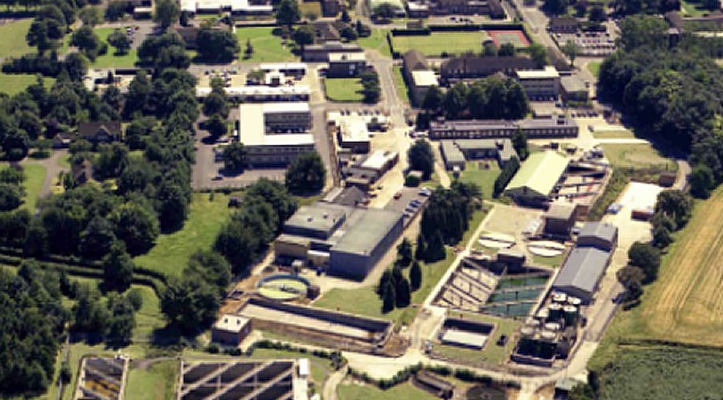
Established in 1946, the Harwell nuclear facility was the UK's first atomic energy research institution and once housed multiple research reactors, plutonium processing facilities and nuclear waste treatment laboratories. Among them, the Liquid Effluent Treatment Plant (LETP), built in 1948, was long responsible for treating the industrial and radioactive liquid waste generated by Harwell's pioneering nuclear research. With the LETP formally ceasing operations in 2013, the safe dismantling of ageing nuclear facilities and subsequent land environmental remediation work got fully under way.
During the complex engineering work spanning several years, the NRS team successfully removed a total of more than 97,000 tonnes of abandoned underground structures, including massive underground storage tanks, pipe networks, pump stations and reinforced concrete infrastructure buried up to 10 metres deep. In the former sewage treatment works area, the project team innovatively constructed a sustainable drainage system pond, achieving natural management of surface water while creating a new ecological habitat for local wildlife. At present, the physical remediation work has been successfully completed, and the project is entering the final regulatory review stage to fully discharge the land regulatory permit and surrender the environmental permit.
Gary Reed, Harwell Site Director at Nuclear Restoration Services, said that the project brought together years of careful planning and collaborative effort from multiple parties, successfully returning to the Harwell Science and Innovation Campus an area that had supported more than 60 years of pioneering nuclear research. Clive Nixon, Chief Nuclear Strategy Officer at the UK's Nuclear Decommissioning Authority (NDA), noted that converting land of significant historical nuclear legacy into a clean asset usable for the future fully demonstrates the long-term social and economic value of nuclear decommissioning work. As approximately 25% of the original site land is progressively approved for release and integrated into the expanding science and technology campus, this land that once nurtured the UK's atomic energy enterprise is taking on new vitality.
Disclaimer: Information republished from partner media, institutions or other websites is provided for reference and communication purposes only. It does not imply endorsement of its views or verification of its accuracy. Please contact us if any content infringes rights or requires correction.