
Search Results
Keyword:C
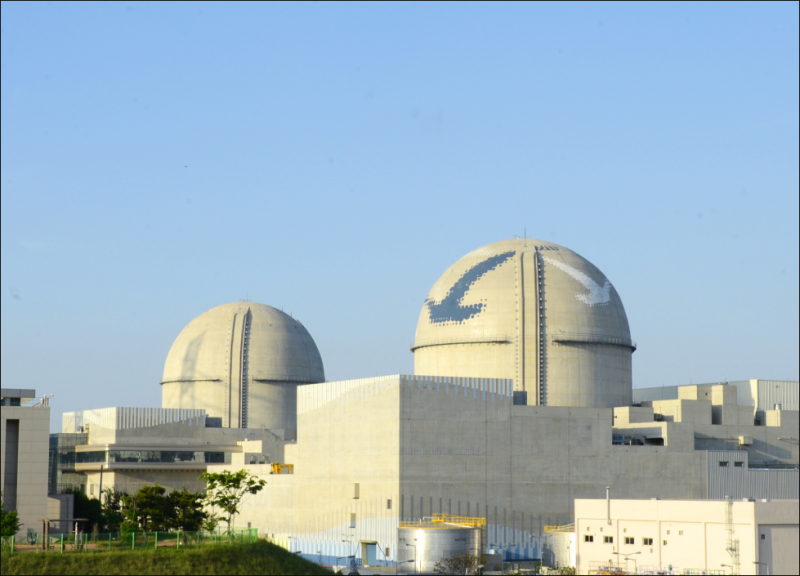
Cause Identified for Automatic Shutdown of Unit 3 at Shin-Kori Nuclear Power Plant in South Korea
The Nuclear Safety and Security Commission (NSSC) of South Korea reported on the 4th that it has completed its investigation into the automatic shutdown of Unit 3 at the Shin-Kori nuclear power plant during commissioning tests on the 11th of last month, and has approved the resumption of commissioning tests for the unit. The investigation confirmed that the direct cause of the incident was an operator error in inputting parameters during the process of restoring reactor power after the tests. According to the investigation findings, at the time of the incident, while setting the parameters for the turbine control valve position limiter, the operator mistakenly entered a value intended to limit the upper opening limit of the valve as a value in the valve closing direction. This limiter is used to prevent a rapid increase in the amount of steam entering the turbine for power generation within a short period. After the parameter error, the unit experienced an interruption in power output at approximately 80% power level, followed by an automatic shutdown.
2026-09-04

Russia Says It Is Advancing Construction of Small Nuclear Power Plants
Russian President Vladimir Putin stated at the plenary session of the Eastern Economic Forum (EEF) that Russia holds a unique position in the construction of small nuclear power plants, with related projects not merely in the planning and discussion stage but already entering actual construction. Putin said at the meeting that Russia is the only country in the world that is not only discussing the necessity and feasibility of developing small-scale nuclear power but is also taking action to build it. He noted that currently, no other country besides Russia has undertaken similar construction. ...
2026-09-04

Russia Says Will Advance Nuclear Cooperation with China, India
Russian Foreign Minister Sergey Lavrov said that Russia has multiple cooperation plans with China and India, including in the nuclear energy sector. Speaking at a lecture held by the Russian Znanie society during the Eastern Economic Forum, Lavrov stated that Russia has many plans with both China and India, specifically mentioning nuclear energy cooperation. In recent years, cooperation between Russia and China and India in the nuclear energy field has continued to advance. On the China-Russia front, physical startup of Unit 7 at the Tianwan Nuclear Power Plant was initiated on August 12, 2026. This unit, along with Unit 8 at Tianwan and Units 3 and 4 at the Xudabao Nuclear Power Plant, are part of the Russia-China nuclear cooperation projects, adopting Russia's VVER-1200 Generation III reactor design, with related construction work launched in the spring of 2022.
2026-09-04
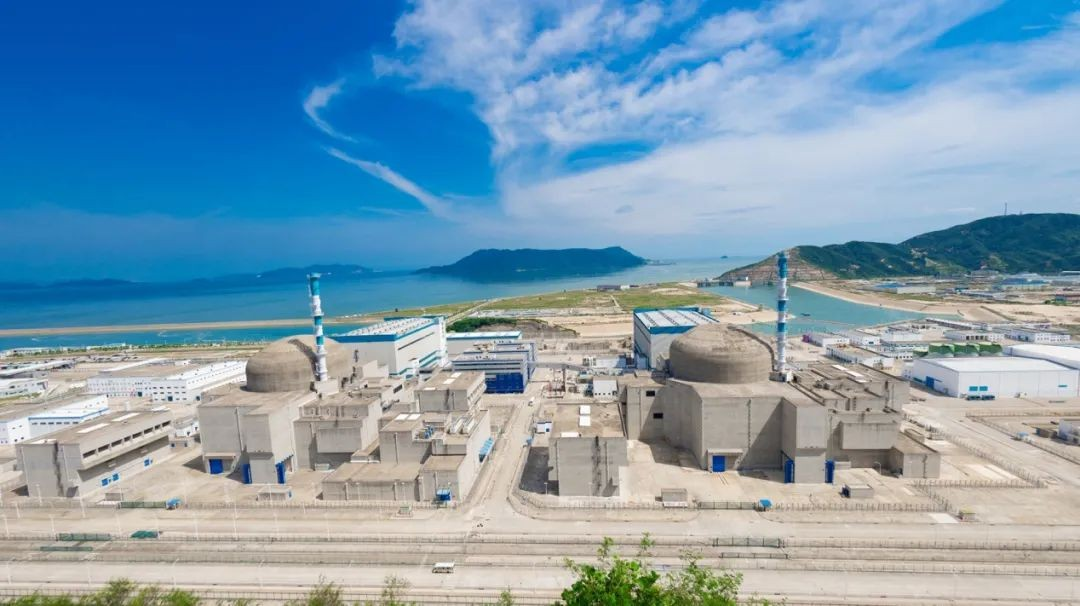
The Fifth Meeting of 2026 on the Construction of the Nuclear Power Safety and Health Archive System Convened
Recently, the Working Group on the Construction of the Nuclear Power Safety and Health Archive System held its fifth promotion meeting of 2026 and thematic subgroup meetings. Representatives from all member units of the working group and relevant organizations attended the meetings. The meetings discussed the progress of informatization construction, computing resource allocation, data governance and sharing, and R&D of digital and intelligent applications for the nuclear power safety and health archive system. Live demonstrations were conducted on the functional implementation of the health archive information systems on both the regulatory side and across various corporate groups. The achievements in system construction were summarized on a phased basis, existing issues were reviewed, and near-term work tasks were deployed. The meetings noted that the construction of the nuclear power safety and health archive system is an important endeavor in promoting the transformation of nuclear safety management and regulatory mechanisms. At present, data governance has achieved initial results, the data verification mechanism has been effectively implemented, and the development of application scenarios is being steadily advanced, creating conditions for the continued improvement of the system. The meetings required that: first, continue to adhere to a goal-oriented and problem-oriented approach, focus on the fundamental functions of the system, concentrate efforts on further addressing shortcomings in a targeted manner, and steadily advance system construction; second, in light of pilot application results, promptly conduct reviews and summaries, comprehensively identify difficulties, bottlenecks, and weak links, and improve the system's operational effectiveness across the entire process; third, continue to coordinate and advance various tasks including data benchmarking and warehousing, frontline demand research, and scenario development and implementation, making every effort to ensure the high-quality completion of the nuclear power safety and health archive system, thereby contributing to the continuous improvement of the operational safety and construction quality of nuclear power plants in China.
2026-09-04

Domestically Developed "Palm-Sized CT" Debuts: 6 kg Micro X-ray CT Enables 3D Non-Destructive Testing
The XTOMO-CUBE series micro-CT, independently developed by Ruiying Detection Technology (Jinan) Co., Ltd., recently made its debut. With dimensions of 140×132×220 mm and a total weight of approximately 6 kg, the device can be held in one hand and is dubbed the "palm-sized CT." It can scan small-sized samples such as chicken bones, snail shells, and capsule tablets, revealing their internal three-dimensional structures. According to reports, CT stands for computed tomography technology. Compared with traditional CT equipment, the XTOMO-CUBE integrates key modules such as a miniaturized X-ray source, rotation stage, and detector into a compact body, paired with fully self-developed software capable of completing processes including projection data acquisition, CT image reconstruction, and 3D rendering. The...
2026-09-04
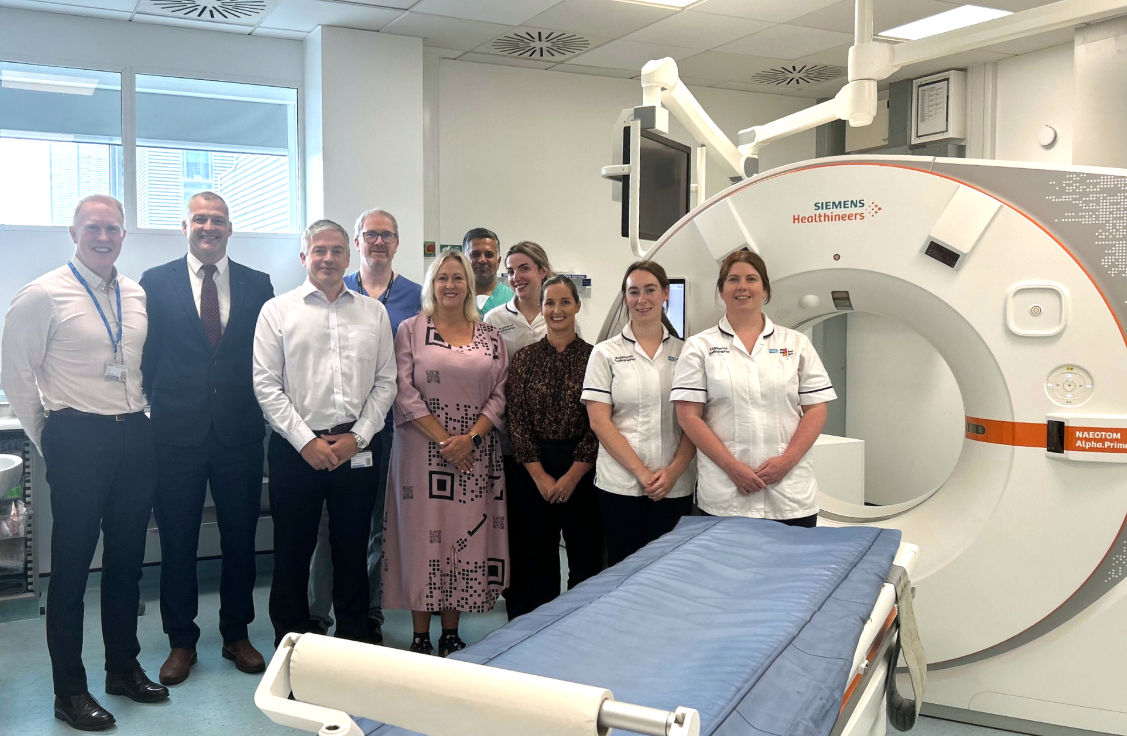
Royal Victoria Hospital Belfast Introduces Photon-Counting CT, Becoming Ireland's First Hospital to Adopt the Technology
Royal Victoria Hospital Belfast recently introduced the Siemens Healthineers NAEOTOM Alpha.Prime photon-counting CT scanner, becoming the first hospital in Ireland to adopt this next-generation CT imaging technology. The hospital is part of the Belfast Health and Social Care Trust, and this installation is part of a long-term value partnership between the hospital and Siemens Healthineers. According to reports, the NAEOTOM Alpha.Prime photon-counting CT delivers ultra-high-resolution images and spectral data at lower radiation doses. Its 0.2 mm slice thickness helps clinicians visualize small blood vessels, fine anatomical structures, and early pathological changes, enabling more diagnostic information to be obtained in a single scan...
2026-09-03

Beijing Synchrotron Radiation Facility to Resume Operations in Mid-September
The Beijing Synchrotron Radiation Facility (BSRF) User Office issued a notice on September 2 stating that the facility will conclude its summer maintenance and resume operations in mid-September 2026. The notice reminds users with experimental needs to promptly log in to the Chinese Academy of Sciences' Major Scientific and Technological Infrastructure Sharing Service Platform, or submit project proposals and beamtime reservation requests through the BSRF User Service System. The BSRF accepts project proposals and beamtime reservation requests year-round, and the specific application procedures can be found in the relevant attachments. Users encountering issues during the application or reservation process may contact the BSRF User Office or the corresponding beamline station contacts. Contact information for each beamline station has been provided along with the notice...
2026-09-03
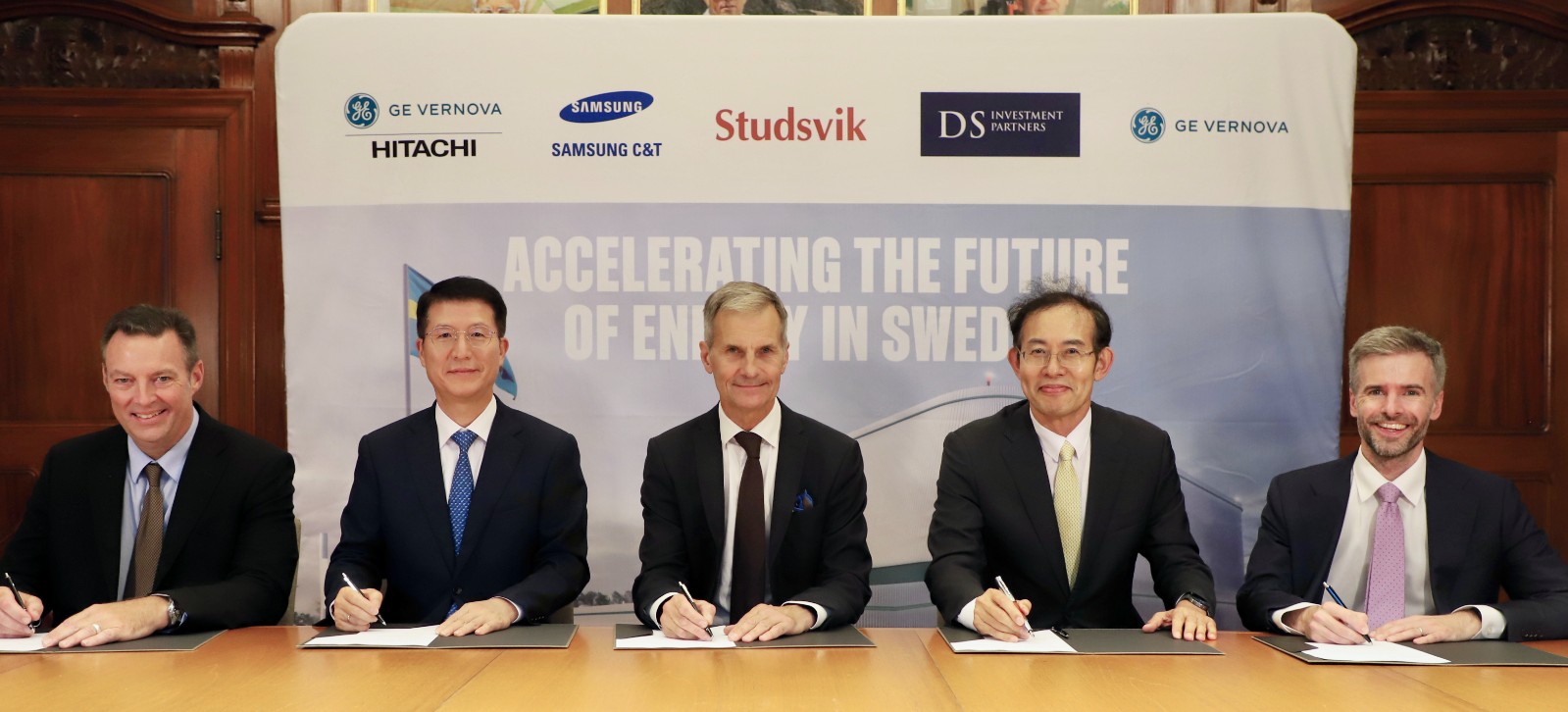
Sweden's 1.2 GW BWRX-300 Nuclear Power Project Identifies Strategic Partners
Studsvik AB announced on September 3 that it has selected GE Vernova Hitachi Nuclear Energy and Samsung C&T as strategic partners for its first nuclear power project in Sweden following a competitive evaluation. The project is planned to proceed at Studsvik's existing licensed site in Nyköping or at the Målma site in Valdemarsvik. Under the arrangement, the parties will work with GE Vernova's financial services business and DS Investment Partners to advance Sweden's first nuclear power project comprising four BWRX-300 units, ...
2026-09-03

IAEA Completes Review of Finland's Nuclear and Radiological Emergency Preparedness
An International Atomic Energy Agency (IAEA) expert team recently concluded a review of Finland's nuclear and radiological emergency preparedness and response framework. The Emergency Preparedness Review (EPREV) was conducted at the request of the Finnish government, hosted by the Finnish Radiation and Nuclear Safety Authority (STUK), with the mission taking place from August 24 to September 2. The review team focused on assessing Finland's arrangements and capabilities for responding to nuclear and radiological emergencies, benchmarking them against IAEA safety standards. Finland currently operates five nuclear power reactor units at two sites: the Loviisa Nuclear Power Plant and the Olkiluoto Nuclear Power Plant. The Loviisa plant is located approximately 90 kilometers northeast of Helsinki, while the Olkiluoto plant is situated approximately 270 kilometers northwest of Helsinki. The Olkiluoto site also hosts the Onkalo spent nuclear fuel geological repository, the world's first geological disposal facility for final disposal of spent fuel.
2026-09-03
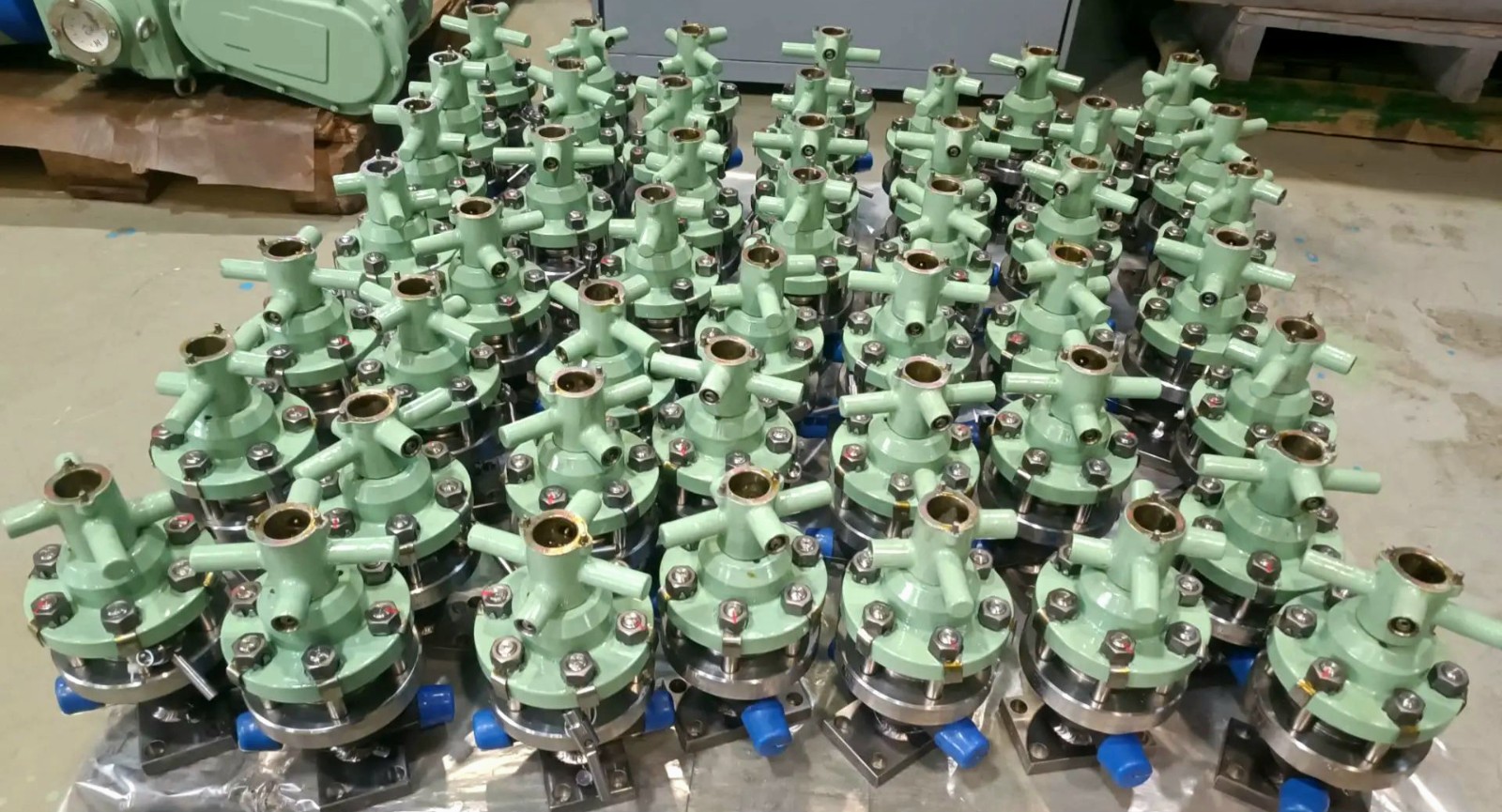
Russian Energopotok Plant Delivers 241 Units of Equipment to Multiple Nuclear Power Plants in August
The Energopotok plant, located in the Sarov Advanced Development Territory (ADT) in Russia, continues to supply equipment to nuclear power projects in Russia and abroad. In August, the company delivered a total of 241 units of equipment to the Akkuyu Nuclear Power Plant, the El-Dabaa Nuclear Power Plant, and the Kursk Nuclear Power Plant. The delivered products include globe valves, bellows-sealed valves, throttling control devices, gate valves, check valves, and non-return valves, primarily used in systems of Russian-designed nuclear power plants. Energopotok has expanded its production footprint to the Sarov ADT, where it is advancing an investment project focused on manufacturing globe valves for Russian-designed nuclear power plants. The Sarov ADT...
2026-09-03
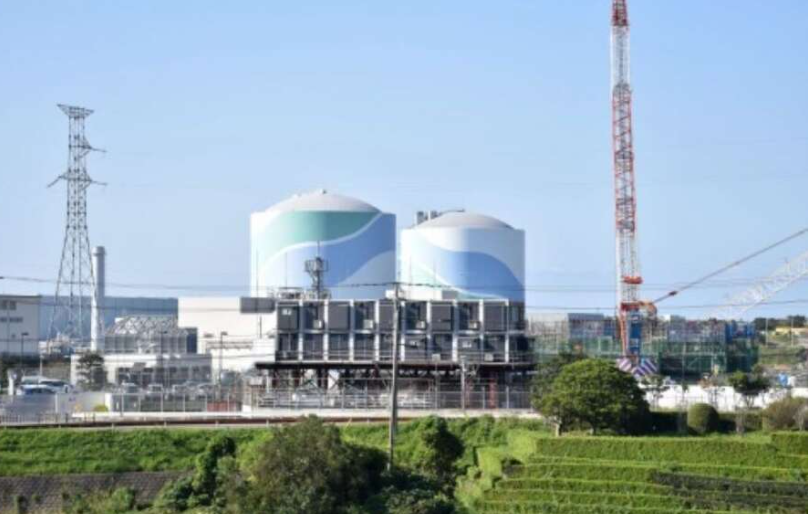
New Fuel Delivery Completed at Japan's Sendai Nuclear Power Plant
Kyushu Electric Power Co. announced on September 2 that new fuel required for Units 1 and 2 of Japan's Sendai Nuclear Power Plant has been delivered. The transport operation began on August 30, 2026, and concluded on September 2. According to information released by Kyushu Electric Power, the new fuel delivered this time was manufactured by Nuclear Fuel Industries, Ltd. Specifically, Unit 1 of the Sendai Nuclear Power Plant received 24 new fuel assemblies transported in 12 shipping containers, while Unit 2 received 28 new fuel assemblies transported in 14 shipping containers. The new fuel transport was carried out using a combination of land and sea routes. Kyushu Electric Power stated...
2026-09-03
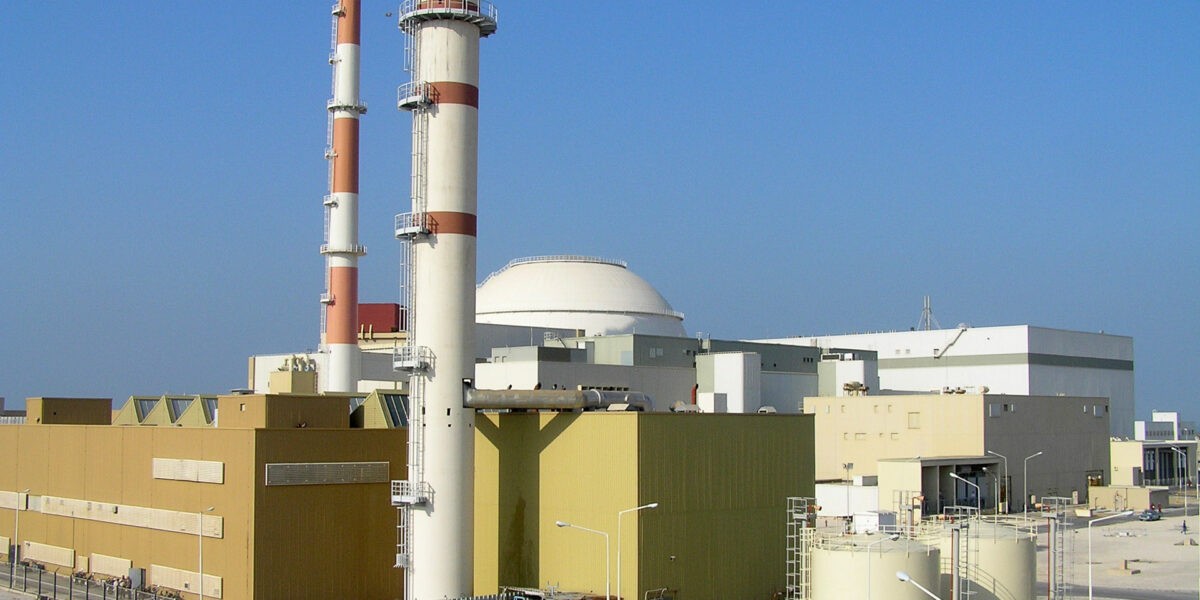
Iran Plans to Advance Both a Large and a Small Nuclear Power Plant Project
Alexey Likhachev, CEO of Rosatom, stated that the site of Iran's Bushehr Nuclear Power Plant has returned to a stable state, and Russian experts are gradually returning to the site to participate in the construction and maintenance of related units. According to Likhachev, 45 Russian personnel are currently at the Bushehr site, with about 30 more preparing to arrive. As planned, the number of Russian personnel on site will increase to 100 by September, mainly including construction project managers and supervision staff. While advancing existing projects, Russia and Iran are discussing new nuclear cooperation. Previously, the two sides had signed an agreement to build another large nuclear power plant...
2026-09-03

Rosatom and the Agency of the Republic of Kazakhstan for Atomic Energy Sign Contract for the Construction of a Nuclear Power Plant
Document Defines the Responsibilities of the Russian and Kazakhstani Parties in the Future Balkhash Nuclear Power Plant Project
2026-09-03
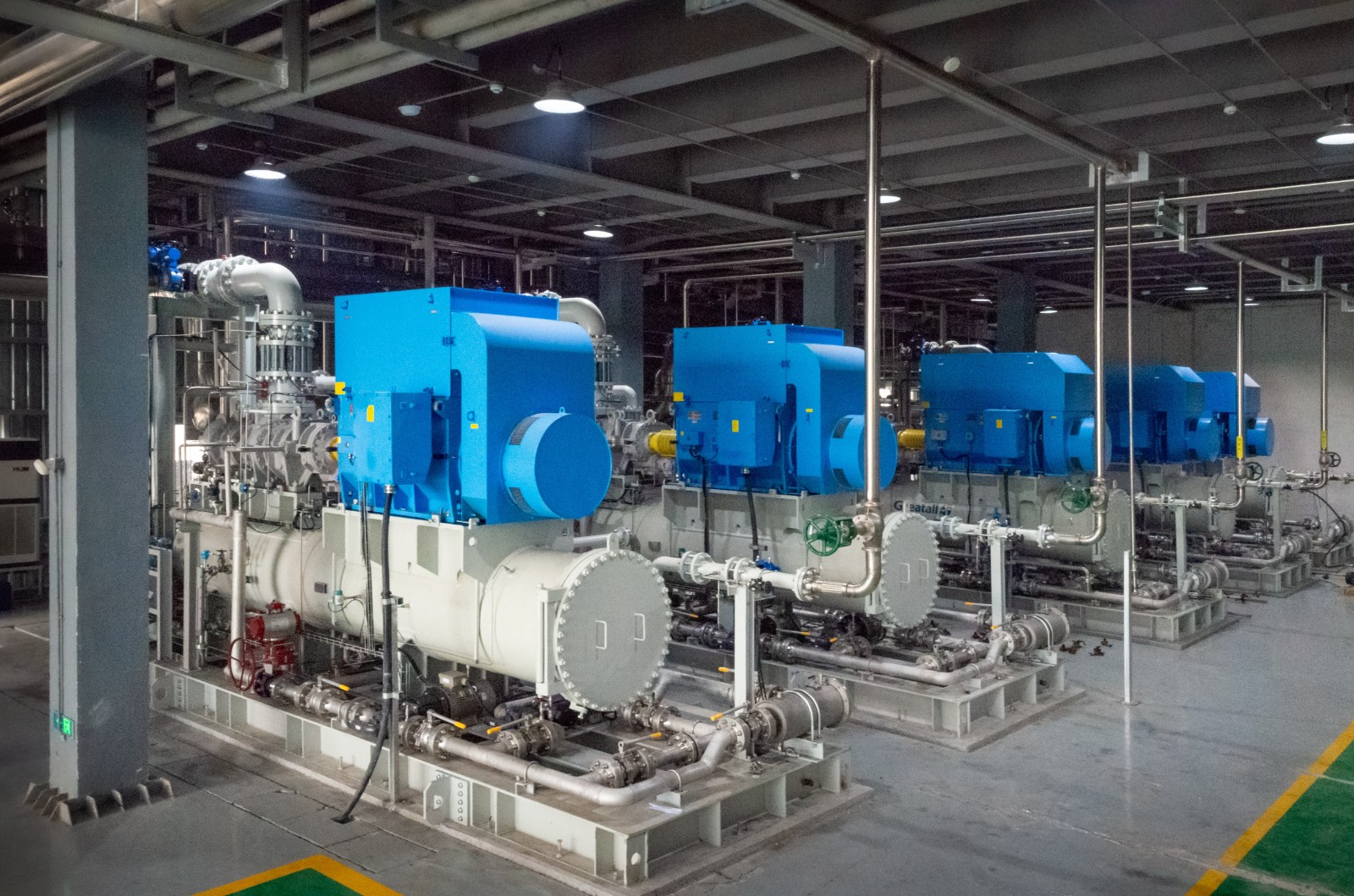
Commissioning of the CRAFT Cryogenic System 6 kW@4.5 K Helium Refrigerator Successfully Completed
Recently, significant progress has been made in the construction of the helium refrigeration system on the CRAFT magnet platform. The on-site commissioning and performance testing of the main body of the CRAFT cryogenic system 6 kW@4.5 K helium refrigerator have been successfully completed, with all indicators meeting the design acceptance requirements. The commissioning work focused on systematic verification of the cold box refrigeration performance, liquefaction capacity, control system, safety interlocks, and the operating status of key cryogenic equipment. During the acceptance tests, the helium refrigerator completed 12 hours of continuous stable operation under design conditions, achieving a refrigeration capacity of 6 kW@4.5 K + 50 K@GHe. In addition to design conditions, the project team also conducted performance tests under helium liquefaction conditions, with relevant temperature, pressure,...
2026-09-03

CERN removes first giant beam absorbers from LHC, making room for High-Luminosity Large Hadron Collider upgrade
CERN recently completed a complex transport operation, moving the first two giant components from the Large Hadron Collider (LHC) tunnel to the surface, making room for the operation and upgrade of the future High-Luminosity Large Hadron Collider (HiLumi LHC). The equipment removed this time consists of two beam absorbers, also known as TAN absorbers. Each absorber is about 5 meters long and weighs about 30 tons, made of iron, copper, and marble, primarily used to protect accelerator magnets from damage caused by neutral particles generated along the beam direction during collisions. A relevant official stated that this type of equipment is among the heaviest and largest devices that need to be removed from the LHC during this shutdown period...
2026-09-03