
Superyacht Industry Explores Nuclear Power Transition, Calls for Early Safety and Regulatory Preparation
 Scan to share
During the "2026 Monaco Energy Boat Challenge," the application prospects of nuclear propulsion technology in the superyacht sector became a focal point of industry discussion. Experts attending the event believe that although nuclear-powered superyachts still have a long way to go before commercial application, the relevant discussions are no longer confined to the conceptual stage. The industry needs to start preparing early on issues such as design, safety, operation, and regulation.
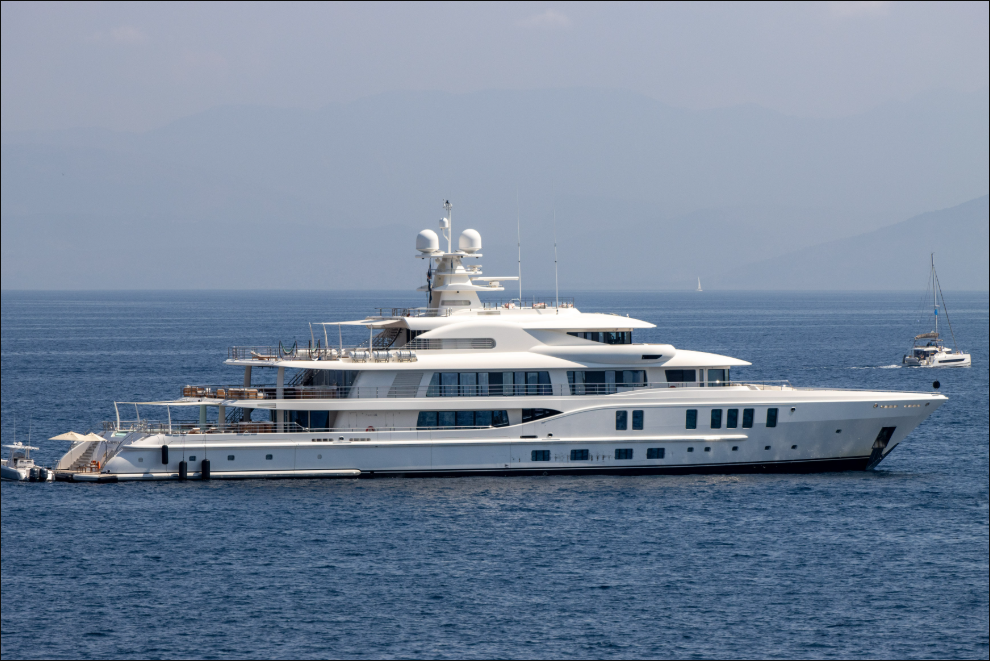
Engel-Jan de Boer, Global Yacht Business Manager at the UK-based maritime professional services organization Lloyd's Register, stated during the conference that with the rapid development of maritime nuclear technology and the increasing pressure to decarbonize the shipping and yacht industries, stakeholders including design firms, shipowners, regulatory bodies, and classification societies are reassessing the potential role of nuclear propulsion technology in future vessels.
De Boer believes that discussions on nuclear-powered yachts should maintain a balanced perspective. Potential advantages include near-unlimited range, reduced dependence on bunkering infrastructure, lower operational emissions, and providing more ample energy support for increasingly complex onboard systems. For large superyachts, energy demand comes not only from propulsion systems but also from hotel loads, entertainment facilities, communication systems, and other high-energy-consuming equipment.
At the same time, the introduction of nuclear propulsion into the yacht sector also faces a series of practical issues. The conference noted that factors such as safety design, regulatory rules, crew qualifications, port acceptance, insurance arrangements, radioactive waste management, and public perception all need to be thoroughly demonstrated before the technology can be implemented.
De Boer stated that the yacht industry has long been at the forefront of innovation. Although nuclear propulsion still faces significant challenges in terms of regulation and public acceptance, it is necessary to start relevant discussions now. He believes that if nuclear propulsion becomes a viable option for superyachts in the future, classification societies will play a key role in developing safety frameworks, risk assessment, and compliance certification processes.
Previously, Monaco-based luxury yacht design company Espen Oeino International unveiled a concept design for a 120-meter superyacht powered entirely by nuclear electric propulsion. The company stated that this study, conducted in collaboration with Emerald Nuclear and Peregrine Turbine Technologies, demonstrates the potential application direction of advanced nuclear technology in future yacht design.
In recent years, nuclear-powered shipping has received more attention, but related calls have mainly focused on commercial cargo vessels, particularly bulk carriers. Rafael Grossi, Director General of the International Atomic Energy Agency, has called for a roadmap to make nuclear energy a viable option for reducing greenhouse gas emissions from global commercial shipping.
Currently, nearly 99% of the global shipping industry's energy consumption still relies on fossil fuels. The International Maritime Organization has set a target of achieving net-zero greenhouse gas emissions around 2050. In comparison, alternative fuels such as biodiesel, methanol, hydrogen, and ammonia still face significant challenges in terms of cost, production, transportation, and usage, which has also drawn more attention to the potential role of nuclear energy in the decarbonization pathway for ocean-going vessels.
Disclaimer: Information republished from partner media, institutions or other websites is provided for reference and communication purposes only. It does not imply endorsement of its views or verification of its accuracy. Please contact us if any content infringes rights or requires correction.