
South Korea Notifies IAEA of Intention to Consult on Safeguards Arrangements for Nuclear-Powered Submarine
 Scan to share
International Atomic Energy Agency (IAEA) Director General Rafael Grossi said Monday at the agency's Board of Governors meeting in Vienna that South Korea has formally notified the IAEA of its intention to consult with the agency on safeguards arrangements for its envisioned nuclear-powered submarine program.
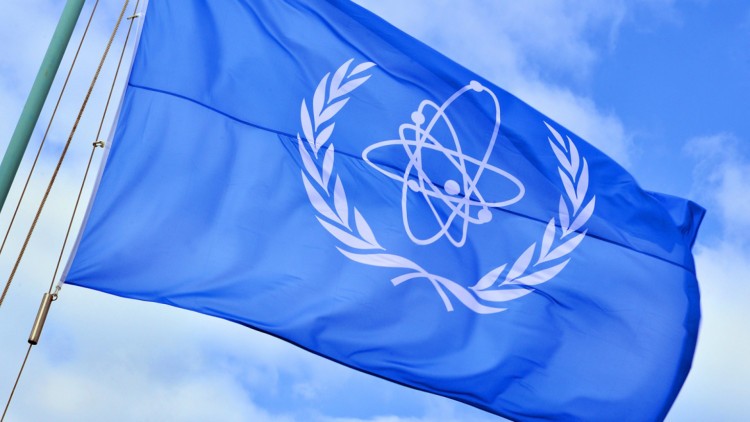
Grossi stated that South Korea has notified the IAEA Secretariat of its intent to discuss relevant arrangements pursuant to Article 14 of its Comprehensive Safeguards Agreement (CSA). This provision allows a country to use nuclear material for non-prohibited military purposes, such as naval nuclear propulsion, under arrangements concluded with the IAEA.
It was noted that South Korea also reaffirmed its continued commitment to fulfilling its obligations under the Treaty on the Non-Proliferation of Nuclear Weapons (NPT), the Comprehensive Safeguards Agreement, and the Additional Protocol, and has submitted relevant explanations to the IAEA. Grossi expressed expectations for continued consultations between the two sides on a transparent basis.
Under the Treaty on the Non-Proliferation of Nuclear Weapons, non-nuclear-weapon states are prohibited from using nuclear material for nuclear weapons purposes and must accept IAEA safeguards to verify that their nuclear activities remain within peaceful uses. South Korea has signed a Comprehensive Safeguards Agreement with the IAEA as part of its non-proliferation obligations.
An official from South Korea's Ministry of Foreign Affairs stated that the country is carrying out necessary procedures to demonstrate transparency. Grossi said at a press conference in June that if South Korea reaches implementable arrangements with the IAEA, it should help alleviate concerns that the country's nuclear-powered submarine program could pose proliferation risks; he also noted that discussions on arrangements under Article 14 remain at an early stage.
According to South Korea's plans, the country aims to build its first nuclear-powered submarine by the mid-2030s and deploy it to naval service in the late 2030s.
Disclaimer: Information republished from partner media, institutions or other websites is provided for reference and communication purposes only. It does not imply endorsement of its views or verification of its accuracy. Please contact us if any content infringes rights or requires correction.