
U.S. Nuclear Regulatory Commission Signs Memorandums of Understanding with Coast Guard and Marine Minerals Administration to Strengthen Offshore Nuclear Energy Cooperation
 Scan to share
Recently, the U.S. Nuclear Regulatory Commission (NRC) signed Memorandums of Understanding (MOUs) with the U.S. Coast Guard (USCG) and the newly established Marine Minerals Administration (MMA), respectively, aimed at strengthening coordination and cooperation on civilian offshore nuclear projects. These initiatives come at a time of growing interest in nuclear technology within the commercial shipping sector, including projects such as nuclear-powered vessels and floating nuclear power plants.
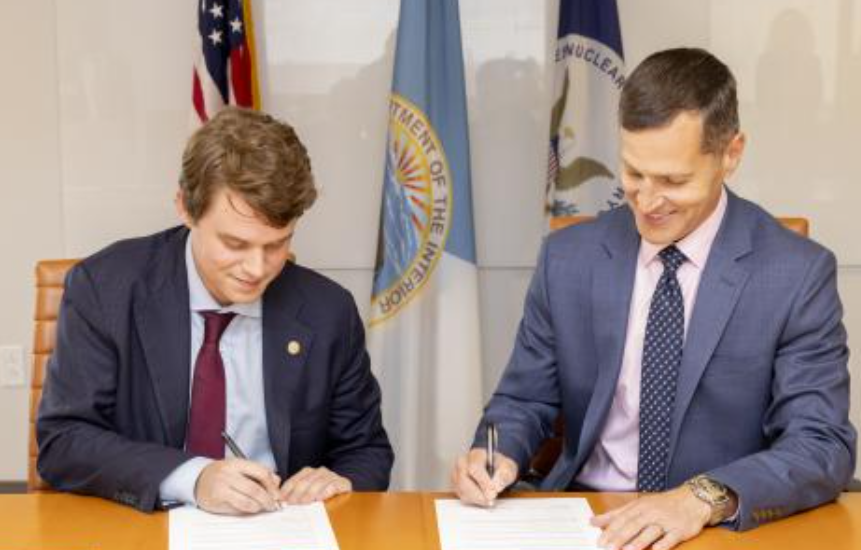
The agreement with the Coast Guard updates a previous agreement signed with the Atomic Energy Commission in 1973, aiming to modernize regulatory processes and ensure effective management of the design, construction, operation, and oversight of civilian nuclear reactors at sea. Meanwhile, the NRC's cooperation with the MMA focuses on clarifying jurisdictional issues for any potential nuclear projects on the U.S. Outer Continental Shelf (OCS), with the goal of streamlining approval procedures and avoiding duplication of efforts.
Matt Giacona, Acting Director of the Marine Minerals Administration, stated that underwater reactor systems have been safely deployed for years in naval applications, demonstrating their potential as a reliable energy source. Although no commercial deployment on the Outer Continental Shelf is currently planned or approved, it could significantly enhance U.S. energy security in the future. The memorandum is seen as an important step toward building the necessary technical expertise, regulatory clarity, and interagency coordination to evaluate and implement this technology.
Jeremy Bowen, Director of the NRC's Office of Advanced Reactors, emphasized that the agreement establishes a clear framework for cooperation between the two parties, ensuring that processes are efficient, transparent, and technically sound. By combining expertise, we can provide clear confidence to potential applicants and promote the safe, reliable, and efficient deployment of emerging nuclear technologies. The two parties will provide advance notice and coordinate on any licensing or approval for offshore civilian nuclear projects to ensure smooth regulatory work.
Disclaimer: Information republished from partner media, institutions or other websites is provided for reference and communication purposes only. It does not imply endorsement of its views or verification of its accuracy. Please contact us if any content infringes rights or requires correction.