
Search Results
Keyword:MOU

Wyoming Signs MOU to Accelerate Uranium Mine Permitting
Recently, Wyoming Governor Mark Gordon and Emily Domenech, Executive Director of the Federal Permitting Improvement Steering Council (Permitting Council), formally signed a Memorandum of Understanding (MOU) aimed at comprehensively accelerating the federal and state permitting processes for infrastructure and uranium mining projects in the state. It is reported that the agreement was developed under the framework of Chapter 41 of the Fixing America's Surface Transportation Act (FAST-41). By signing the memorandum, Wyoming becomes the 10th state in the nation to join the FAST-41 coordination mechanism. This mechanism allows federal and state regulatory agencies to synchronize on a unified dashboard...
2026-11-04

DARPA Advances Autonomous Operation of Space Nuclear Reactors
Recently, the U.S. Defense Advanced Research Projects Agency (DARPA) announced that under the framework of the Fat Cat program, it has awarded an Other Transaction Agreement (OTA) to space nuclear power startup Space Nuclear Power Corporation (SpaceNukes). The project is managed by Tabitha Dodson, program manager in DARPA's Defense Sciences Office, and aims to develop autonomous operation technology for deep-space fission reactors capable of self-regulation without the need for continuous human supervision. It is reported that the project is led by the same engineering team that previously successfully conducted the 2018 ground test of the Kilowatt Reactor Using Stirling Technology (KRUSTY)....
2026-10-31

US NuCube Advances NuSun Microreactor Testing and Autonomous Operation Layout
Recently, US nuclear energy startup NuCube Energy launched high-temperature hardware testing of the NuSun microreactor at the Utah Energy Laboratory in the United States, marking new progress in the commercial deployment of its solid-state fission microreactor. NuCube, in collaboration with Brigham Young University (BYU), is using a dedicated induction furnace to simulate ultra-high-temperature thermal environments, focusing on verifying core thermal environments up to 1,100°C, energy conversion performance, and integrated industrial heat supply applications. It is understood that NuSun adopts tri-structural isotropic (TRISO) particle fuel and supercritical carbon dioxide Brayton cycle technology, capable of covering more than 90% of the industrial process heat market, and plans to launch...
2026-10-20
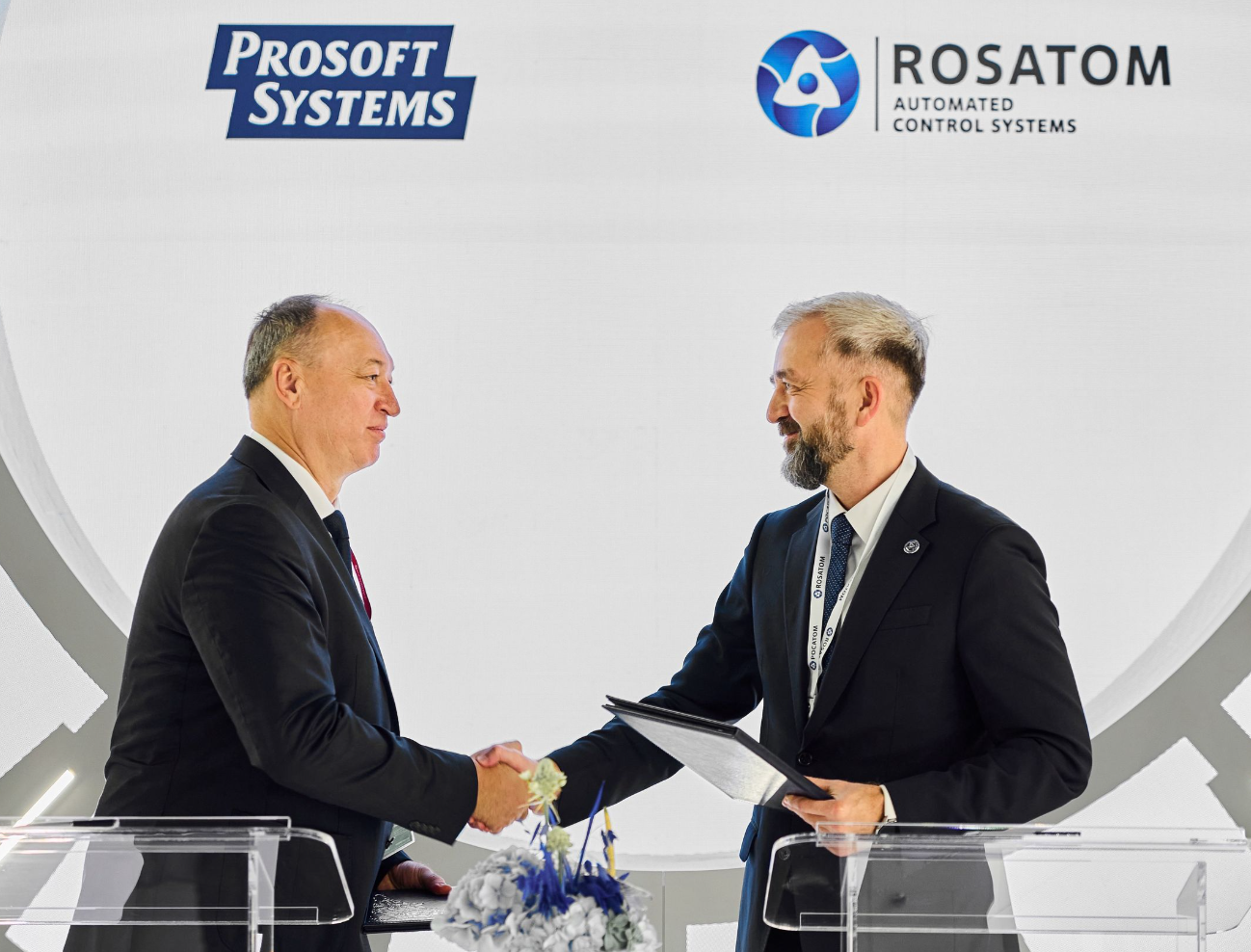
Rosatom Joins Forces with Prosoft-Systems and Reglab to Deepen Cooperation, Boosting Gen IV Nuclear Power and Industrial Autonomous Automation
During the Russian Energy Week international forum held in Moscow, JSC Rusatom Automated Control Systems (RASU), the core management entity of Rosatom's Automation Control Systems and Electrical Engineering Division, formally signed a strategic cooperation agreement with Prosoft-Systems LLC and its controlled subsidiary Reglab LLC. The parties will deeply integrate their technological expertise in industrial-grade hardware development, software development, and turnkey control system engineering deployment...
2026-10-18
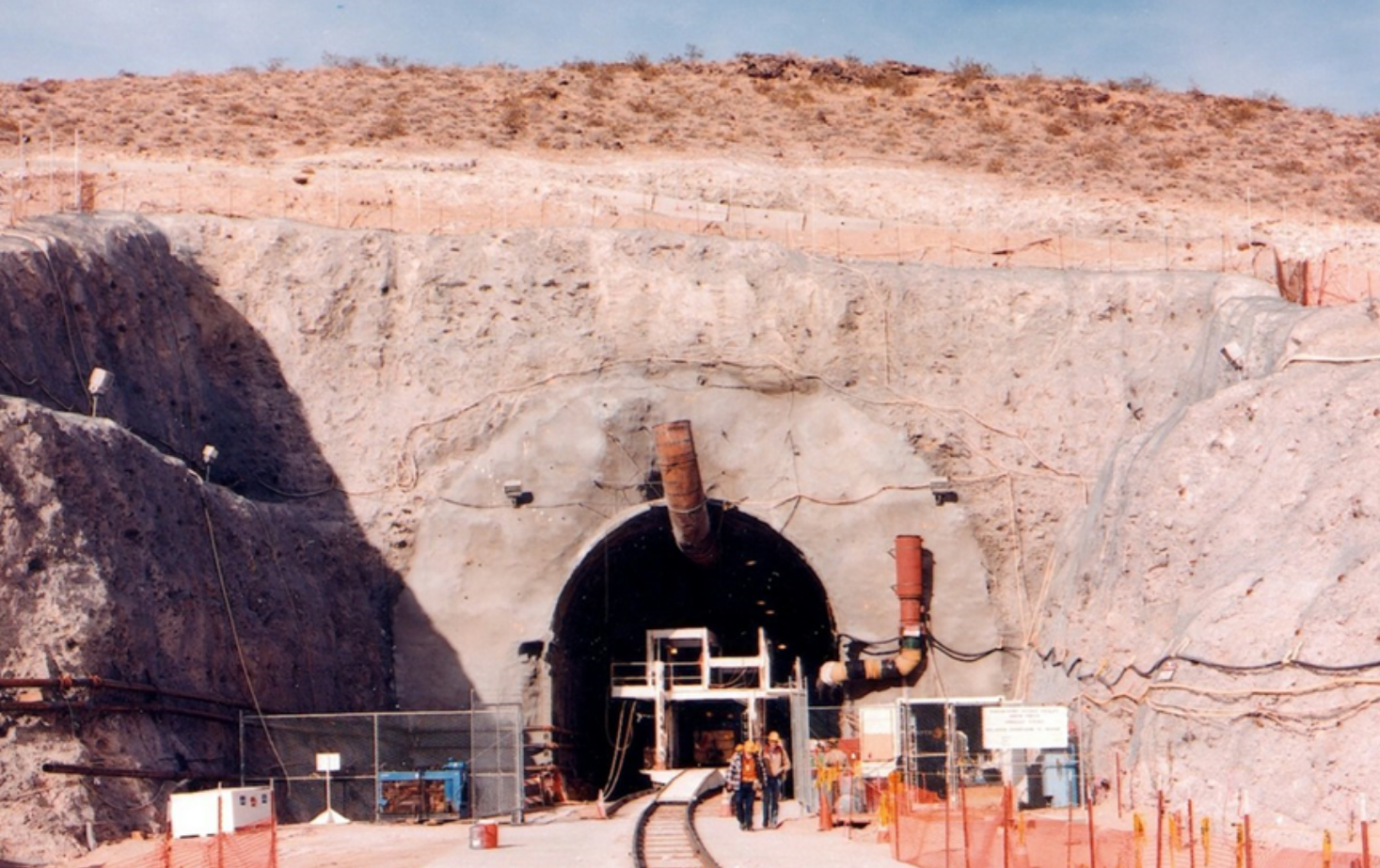
Controversy Over U.S. Nuclear Waste Repository Siting Draws Renewed Attention: Historical Decision Alleged to Have Relied Excessively on Cost Estimates
The issue of siting a U.S. nuclear waste repository has once again drawn attention. A reanalysis of the U.S. Department of Energy's (DOE) 1986 candidate site evaluation report points out that the key factor determining the priority siting of a nuclear waste repository at that time was not fully verified differences in long-term safety performance among the sites, but mainly estimates of repository construction and operating costs and spent fuel transportation costs. This analysis argues that the relevant cost data had considerable uncertainty, yet played a decisive role in the final ranking, causing the technical evaluation to present a clearer ordering of advantages and disadvantages than the actual evidence supported. The debate over U.S. nuclear waste repository siting has lasted for decades. The 1982 Nuclear Waste Policy...
2026-10-09
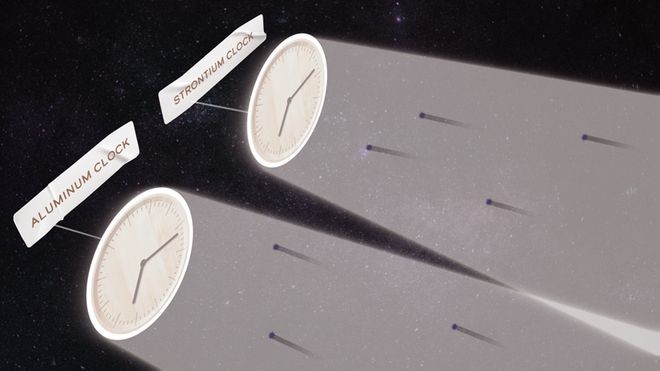
International Researchers Successfully Develop the First Autonomous Thorium-229 "Nuclear Clock": Featuring Ultra-Strong Interference Resistance and a Fully Autonomous Closed-Loop Stable Operation Mechanism
Recently, the press office of TU Wien (Vienna University of Technology) announced that a team of scientists from Austria, Germany, and the Czech Republic has successfully developed the world's first nuclear clock based on the thorium-229 (chemical symbol ²²⁹Th) atomic nucleus. This nuclear clock possesses extremely high interference resistance and is capable of operating in a fully autonomous mode without external stabilization. The research team stated that, compared with traditional atomic clocks that operate using entire atoms, timekeeping using atomic nuclei can theoretically achieve higher measurement precision. Two years ago, they successfully controlled the transition process of the thorium-229 atomic nucleus for the first time, but to achieve extremely high-precision timekeeping, it was still necessary to solve the nuclear clock...
2026-10-08
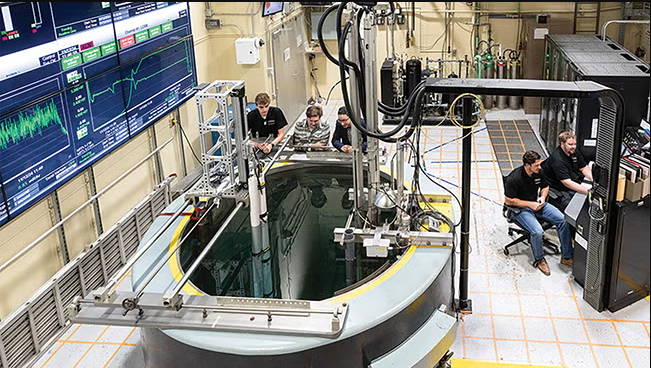
Purdue University Completes the First Remote Real-Time Autonomous Power Control Experiment on a Nuclear Reactor in the United States, Building a Cross-State Digital Twin Closed Loop
Purdue University, in collaboration with Idaho National Laboratory (INL) and the University of Illinois Urbana-Champaign (UIUC), has for the first time in the United States achieved remote, automatic, and real-time experimental regulation of nuclear reactor power. The demonstration validated a three-site control closed loop spanning Indiana, Idaho, and Virginia, providing a cutting-edge engineering paradigm for future centralized remote monitoring and automated scheduling of advanced reactors from hundreds or even thousands of miles away. The experiment relied on Purdue University's 64-year-old Reactor Number One (Purdue University Reactor Num...
2026-09-24
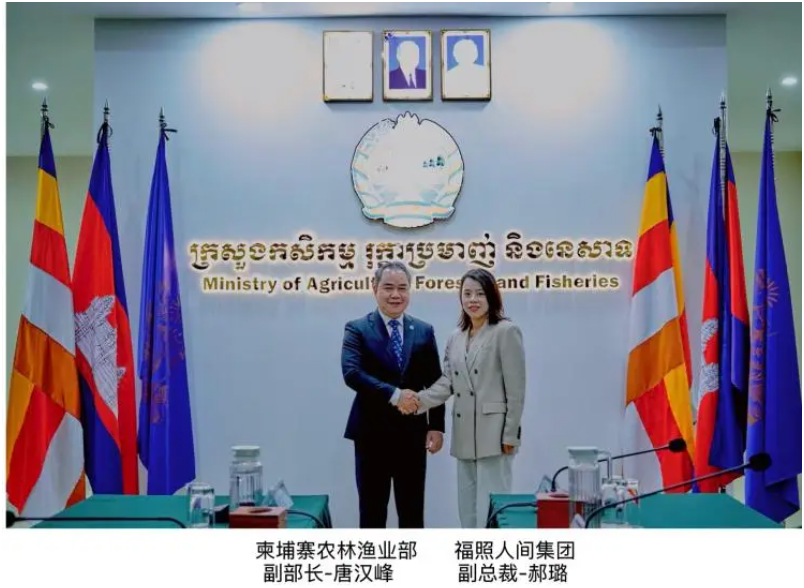
China and Cambodia Sign MOU on Agricultural Supply Chain Cooperation, with Irradiation Processing Technology Listed as a Key Focus
On August 10, Haikou Silk Road Social Science Research Institute and the Ministry of Agriculture, Forestry and Fisheries of the Kingdom of Cambodia signed the Memorandum of Understanding on Research Cooperation for the Stability and Development of the China-Cambodia Agricultural Supply Chain in Phnom Penh. According to the MOU, the industrial application of irradiation processing technology in the agricultural sector has been listed as one of the core cooperation directions for both sides. In this cooperation, the Joint Laboratory for R&D and Validation of Agricultural Product Irradiation Technology played a key supporting role. The joint laboratory was co-founded by Fuzhao Renjian Group and the Institute of Agro-Products Processing Science and Technology of the Chinese Academy of Agricultural Sciences, focusing on breeding, post-harvest loss reduction, agricultural product processing, and food safety, conducting irradiation technology R&D and validation, and promoting the application of relevant outcomes...
2026-08-24
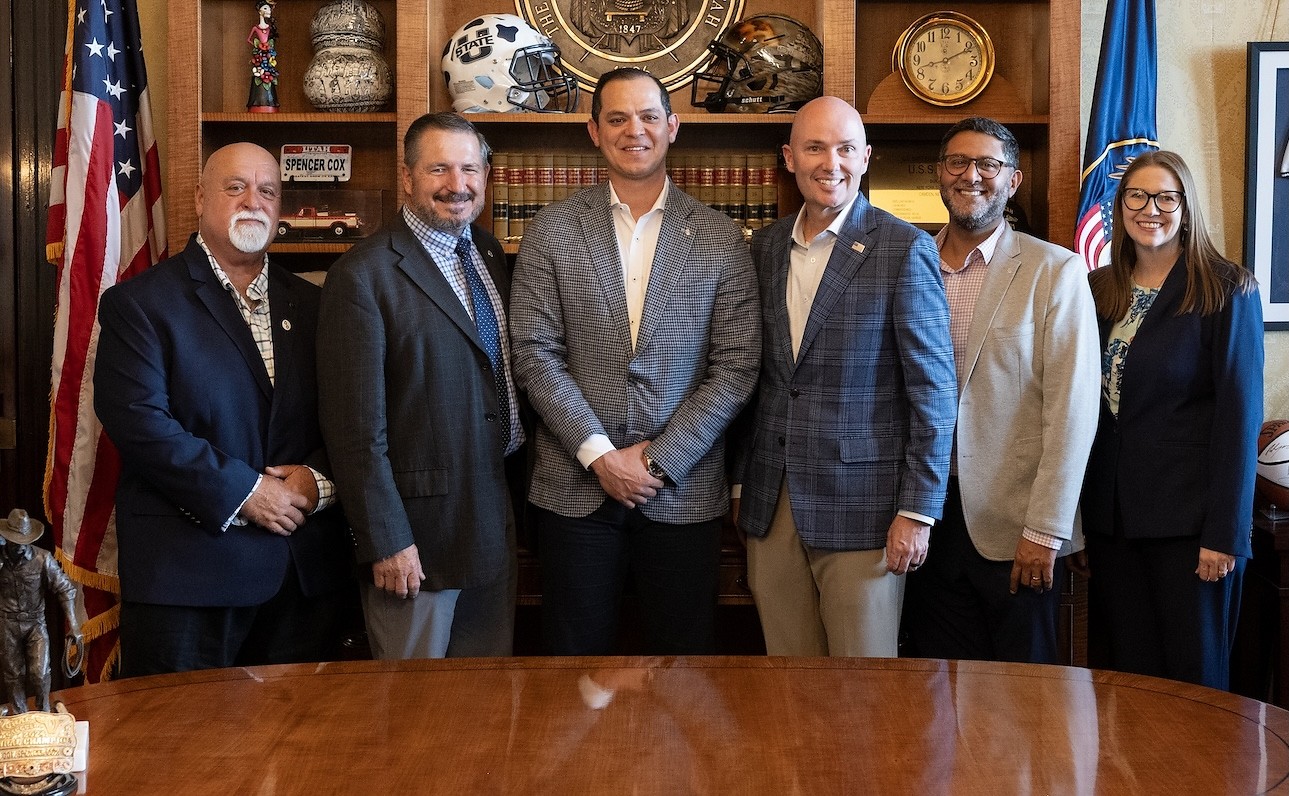
US Deployable Signs MOU with Utah on Nuclear Microreactor Siting
Deployable Energy Limited (Deployable) announced on August 21 local time that it signed a Memorandum of Understanding with the Utah Office of Energy Development (OED) on August 18. The MOU establishes a non-binding cooperation framework for the two parties to jointly explore the feasibility of siting Unity nuclear batteries in Utah and supports subsequent information exchange. Deployable is a clean energy company engaged in the design and manufacture of compact, transportable nuclear microreactors. The company stated that signing this MOU is a step forward in advancing the research, development, testing, and commercial deployment of Unity nuclear batteries...
2026-08-22
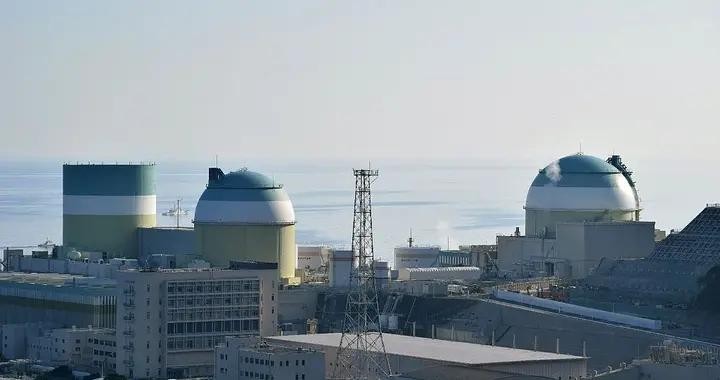
Small Amount of Ash Leakage from Miscellaneous Solid Waste Incineration Equipment at Japan's Ikata Nuclear Power Plant
Shikoku Electric Power Co. reported on August 13 that at approximately 10:25 a.m. that day, an operator from a partner company discovered ash-like material beneath the ceramic filter of the operating miscellaneous solid waste incineration equipment inside the miscellaneous solid waste incinerator building at Ikata Nuclear Power Plant. The area is a controlled zone. On-site investigation confirmed that the fallen material was incineration ash, and the leakage was confirmed to have stopped. Workers also found localized cracks in the rubber components of the glove box beneath the ceramic filter. Temporary sealing measures were taken to prevent further leakage. According to the report, the leaked incineration ash remained within the building and was fully recovered. The leakage amount was 0.3 grams, with a radioactivity...
2026-08-13

South Korea's Two Ministries Sign MOU to Promote Regulatory Cooperation for Nuclear Power Exports
South Korea's Ministry of Trade, Industry and Energy (MOTIE) and the Nuclear Safety and Security Commission (NSSC) signed a memorandum of understanding on the successful overseas expansion of Korean-style nuclear power plants at the Korea Trade Insurance Corporation in Jongno-gu, Seoul on August 13, planning to strengthen regulatory coordination in the nuclear power export process and provide more systematic nuclear safety regulatory cooperation support to countries hosting potential projects. Under the agreement, the two sides will jointly support export target countries in establishing nuclear safety regulatory frameworks, improving licensing procedures and technical standards, and enhancing the professional capabilities of regulatory bodies, based on the regulatory cooperation needs raised by these countries. The South Korean government is promoting nuclear power plant exports with a focus on potential markets in Southeast Asia such as Vietnam, and the relevant countries are in the process of planning and...
2026-08-13
Nuclea Signs MOU with Utah Office of Energy Development to Advance Microreactor Testing at USREL
Nuclea Energy USA Inc., a wholly owned subsidiary of advanced nuclear technology developer Nuclea Energy Inc., recently announced that it has signed a Memorandum of Understanding with the Utah Office of Energy Development to explore the possibility of deploying a nuclear test reactor at Utah's San Rafael Energy Laboratory to advance the development and commercialization of Nuclea's Morpheus microreactor. This collaboration is seen as an important step for Nuclea's micro modular reactor moving from technology validation toward actual deployment. According to the MOU, Nuclea and the Utah Office of Energy Development will evaluate test reactor siting, coordination with the U.S. Department of Energy and the Nuclear Regulatory Commission, and...
2026-08-12
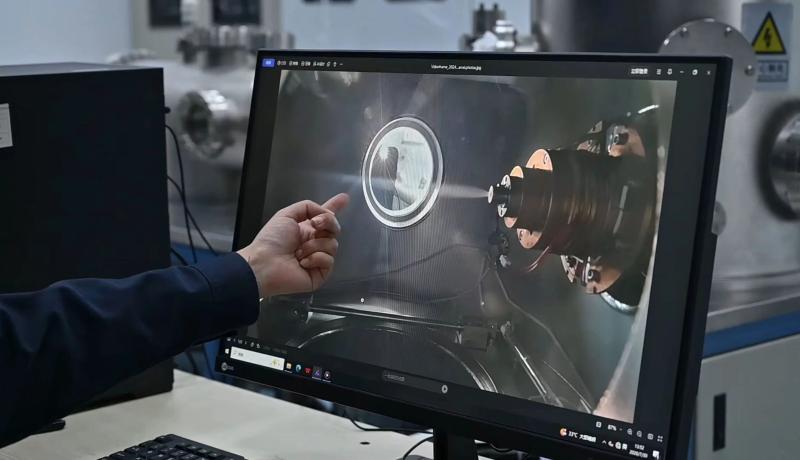
Unanimously Approved! China's First ISO International Standard in the Field of Fusion Fueling Officially Released
On August 10 local time, the international standard ISO 19991:2026, "Fusion Technology — Experimental Magnetic Confinement Fusion Facilities — Ultrasonic Molecular Beam Injection Fueling Technology for Fusion Devices," formulated by China, was officially released. Earlier, during the final voting process, all 12 countries, including France, Germany, and Russia, cast affirmative votes. This is the first ISO international standard in the field of fusion fueling and the second ISO international standard in the fusion field led by the Southwestern Institute of Physics (SWIP) under the China National Nuclear Corporation (CNNC). Ultrasonic molecular beam injection fueling technology is a key fuel supply technology for controlled nuclear fusion devices. This technology, an advanced fusion fueling technology originally developed by China, forms high-speed, directional molecular beams through adiabatic gas expansion. It features high speed, strong directionality, relatively high fueling efficiency, and low particle recycling, significantly enhancing the fuel control capability of fusion devices. It has been applied to more than ten magnetic confinement fusion experimental devices both domestically and internationally.
2026-08-11
Curio, NuScale and Framatome Sign MOU to Advance Next-Generation Nuclear Fuel Cycle Solutions
Curio, NuScale Power and Framatome Inc. recently signed a strategic memorandum of understanding to jointly evaluate integrated nuclear fuel solutions aimed at strengthening the U.S. nuclear fuel supply chain and supporting the international nuclear energy market and the deployment of next-generation nuclear technologies. Under the agreement, the three parties will conduct evaluations centered on Curio's proprietary NuCycle recycling technology, focusing on the conversion pathways of recyclable nuclear materials from "source to product" and from "source to fuel." The collaboration also encompasses future engineering coordination, fuel development, fuel qualification, manufacturing and commercialization, as well as advancing the integration of nuclear supply chain-related segments...
2026-08-07
Clobot Signs MOU with Korea Atomic Energy Environment Corporation and Others to Demonstrate Multi-Robot System for Safe Radioactive Waste Management
Clobot, a specialized enterprise in intelligent robot services and integrated control of heterogeneous robots, announced on August 6 that it will apply its multi-robot integrated control system to radioactive waste safety management sites. On August 3, the company signed a business agreement at the headquarters of the Korea Atomic Energy Environment Corporation, with partners including T-Robotics, the Gyeongbuk ICT Convergence Industry Promotion Association, and the Korea Atomic Energy Environment Corporation, under the project name "Demonstration Project for Multi-Robot Operation in High-Risk Radioactive Waste Safety Management." The collaboration is based on the selection through the public call for proposals for the "Large-Scale Converged Robot Demonstration Project: Social Problem-Solving Type" hosted by the Korea Institute for Robot Industry Advancement in 2026, with Clobot serving as the lead organization.
2026-08-06