
India's cumulative nuclear power generation surpasses 1 trillion units (1000 BU), NPCIL sets historic milestone
 Scan to share
Nuclear Power Corporation of India Limited (NPCIL) announced on August 4 that cumulative nuclear power generation since the start of commercial operations has exceeded 100 billion kilowatt-hours (1000 Billion Units, equivalent to 1 trillion kWh) for the first time. The company stated that this milestone marks a significant achievement on India's path toward clean and sustainable energy, corresponding to avoiding approximately 860 million tonnes of CO₂ emissions——equivalent to approximately taking 187 million gasoline and diesel passenger vehicles off the road for a full year, or nearly the total annual greenhouse gas emissions of a single industrialized nation such as Germany or Japan.
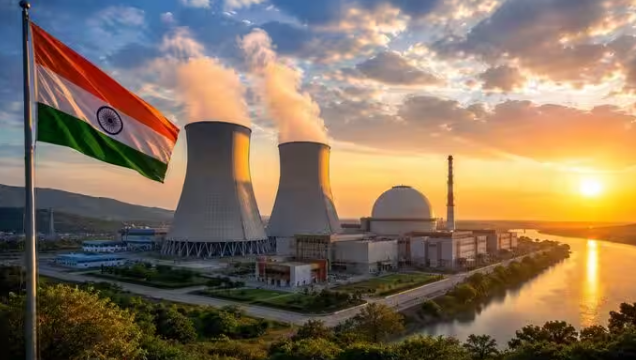
NPCIL data shows that electricity generated through nuclear power has effectively avoided substantial greenhouse gas emissions. Nuclear energy is recognized as one of the low-carbon and reliable energy sources, playing a critical role in addressing climate change. Reducing 860 million tonnes of CO₂ emissions is roughly equivalent to the pollution effect of removing 187 million gasoline and diesel vehicles from roads for one year.
In line with government plans, India is actively advancing its nuclear energy development program, targeting an increase in nuclear power installed capacity to 100 gigawatts by 2047. This target was established as part of the "Nuclear Energy Mission" in the 2025-26 budget, aimed at enhancing energy security while expanding the share of clean energy. By increasing the use of nuclear energy, India hopes to reduce its dependence on coal and ensure the stability of electricity supply.
Expanding nuclear power installed capacity will play a significant role in helping India achieve its net-zero carbon emissions target by 2070. While boosting clean energy output, it also promotes a balance between economic development and environmental protection, injecting new momentum into sustainable development. This is not only a result of technological advancement but also a concrete action by India in its commitment to addressing global climate challenges.
Disclaimer: Information republished from partner media, institutions or other websites is provided for reference and communication purposes only. It does not imply endorsement of its views or verification of its accuracy. Please contact us if any content infringes rights or requires correction.