
Germany's renewable energy summer generation approaches French nuclear power, may overtake it before 2030
 Scan to share
French nuclear power has long been regarded as a key pillar of Europe's low-carbon electricity system, but the latest data shows that Germany's renewable energy generation is rapidly closing in on French nuclear power. According to the data, in January this year, Germany's combined renewable energy generation from solar, wind, and other sources totaled 22,854 GWh, while French nuclear power generated 36,838 GWh, about 61% higher. By July, however, the gap had narrowed significantly: French nuclear power generated 29,689 GWh, while Germany's renewable energy generated 26,501 GWh, with French nuclear power leading by only about 12%.
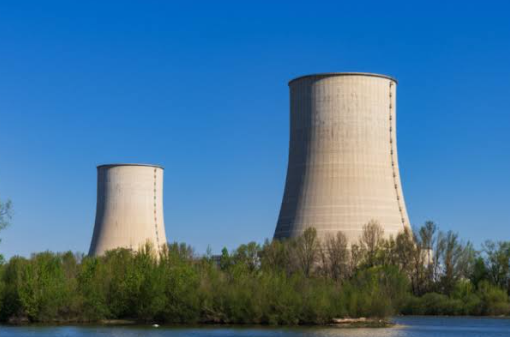
This change is closely linked to summer heat. Nuclear power plants require large amounts of cooling water and are therefore typically built near coastlines or rivers. When river water levels are insufficient, or when discharged water temperatures exceed environmental limits, nuclear plants must reduce output or even shut down. The data mentions that French nuclear plants such as Golfech, Bugey, and Nogent-sur-Seine have already been affected. As heatwaves become more frequent, the cooling constraints on nuclear power in summer may become more pronounced, challenging the stability advantage of French nuclear output.
In contrast, Germany's renewable energy benefits particularly from increased solar output in summer. While the July heat put pressure on nuclear power, it boosted solar generation peaks, significantly raising Germany's total renewable energy output. Although Germany's current energy mix still faces challenges such as wind and solar variability, grid regulation, and energy storage development, its generation capacity continues to strengthen in terms of installation expansion speed.
The data also notes that while France has plans to build new and upgrade existing nuclear units, including concepts for smaller new reactors, new capacity is not expected to come online until after 2035 at the earliest. Germany, on the other hand, plans to add an average of 19.6 GW of solar, 9.4 GW of onshore wind, and 4.1 GW of offshore wind capacity annually by 2030. If these targets are met, compared to 2025, Germany's solar capacity in 2030 would increase by about 80%, onshore wind by 66%, and offshore wind by 200%.
This means the key variables in the Germany-France electricity competition are shifting: France's nuclear bottleneck lies not only in aging units and long construction cycles for new plants, but also in cooling water constraints under a warming climate; Germany's renewable advantage comes from continuously expanding installed capacity and high summer solar output. Based on current trends, Germany's renewable energy may overtake French nuclear power in summer generation sooner, and by around 2031, it could surpass French nuclear power even in winter months.
Disclaimer: Information republished from partner media, institutions or other websites is provided for reference and communication purposes only. It does not imply endorsement of its views or verification of its accuracy. Please contact us if any content infringes rights or requires correction.