
French nuclear power sets record unavailability rate due to high temperatures and drought, one-sixth of capacity constrained
 Scan to share
France's nuclear power system is under exceptional strain. Affected by persistent high temperatures and low river water levels, nuclear reactors operated by French utility EDF have recorded unprecedented "unavailability." According to an AFP tally based on data published by EDF since 2015, on the afternoon of Sunday, August 9, 2026, the nuclear capacity shortfall caused by drought and extreme heat reached 15.6% of installed capacity, equivalent to roughly one-sixth of France's nuclear power capacity being temporarily unable to supply electricity normally.
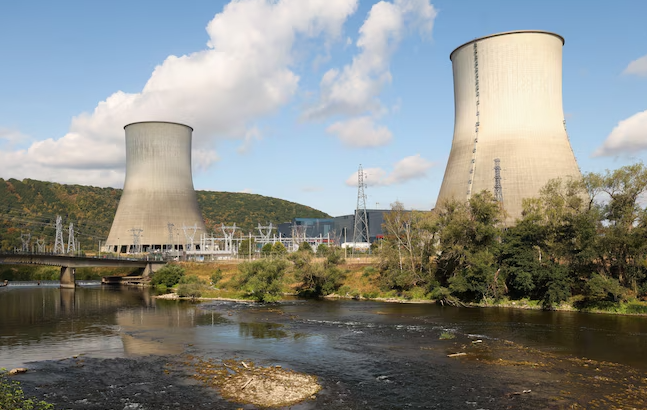
The cause of this disruption is not simply equipment failure, but is closely linked to the natural environment on which nuclear plant operations depend. Many nuclear plants draw water from rivers for cooling; when river levels are too low or water temperatures too high, the discharge of cooling water from plants can further raise river temperatures, impacting the ecological environment. Therefore, when environmental limit conditions are reached, reactors must reduce output or even shut down temporarily.
The summer of 2026 also set another record: the number of reactors forced to reduce output or shut down due to "environmental constraints" or "external environmental reasons" reached a new high. On the night of July 14-15, nine units in France reduced output, while three others were completely shut down: Chooz 2, Golfech 2, and Bugey 3. Among them, the Chooz nuclear plant, located near the French-Belgian border, was also on the list of affected facilities.
This heatwave and drought have exposed the vulnerability of France's energy system in the face of climate change. France has long relied on nuclear power as a stable low-carbon electricity source, but nuclear plants are not entirely immune to weather conditions. As extreme heatwaves and low-water events become more frequent, EDF must not only manage short-term electricity supply fluctuations, but also address long-term challenges such as retrofitting cooling systems, adjusting maintenance schedules, and enhancing grid resilience.
Disclaimer: Information republished from partner media, institutions or other websites is provided for reference and communication purposes only. It does not imply endorsement of its views or verification of its accuracy. Please contact us if any content infringes rights or requires correction.